


Starting a poultry farm in Africa does not require a huge investment. In fact, thousands of small-scale farmers build profitable chicken businesses every year by using local resources, hardy local breeds, simple housing designs, and cost-effective feeding plans. Whether you want to raise chickens for eggs, meat, or small-scale commercial sales, the secret to success is affordability + smart planning.
This guide explores seven practical steps African farmers can use to start a low-cost poultry farm while improving productivity, reducing risks, and building long-term profitability.
1. Use Local Resources to Build Low-Cost Chicken Housing
An effective poultry farm does not necessarily have to be costly; the key lies in proper planning for ventilation, protection, and hygiene, as well as ensuring sufficient feeding space. African farmers can utilize locally available materials—such as bamboo or wooden poles, thatch or iron sheet roofing, mud bricks, local wild grasses, palm leaves, or various recycled materials—combined with metal mesh for ventilation and protection against predators, thereby significantly reducing the initial project costs.

Key Principles of Low-Cost Poultry Housing
Good airflow: Proper ventilation prevents respiratory diseases and heat stress.
Dry environment: A raised floor or good drainage keeps litter dry.
Protection: Use wire mesh to prevent snakes, rodents, and wild birds.
Sunlight exposure: Natural light improves bird health and reduces electricity needs.
Simple Housing Ideas
Farmers can choose from a variety of poultry housing types, including deep-sided structures built with wood and earth walls, semi-open poultry houses constructed from bamboo and thatch, and mobile poultry houses (poultry trailer units) designed for free-range farming; by sourcing construction materials locally, farmers can reduce poultry housing construction costs by 40%–70% – representing one of the areas with the greatest potential for cost savings.
2. Choose Hardy and Cold-Resistant Local Chicken Breeds
Local African chicken breeds are highly suitable for low-cost farming operations; they possess strong disease resistance and can tolerate both high and low temperatures—though these traits vary depending on the region—and they are well-adapted to local climates as well as the free-range farming model. As a result, the costs associated with purchasing, raising, and maintaining these birds are lower. Common breeds include Kurouille, Sasso, Neul, and various indigenous free-range varieties.

Why Local Breeds Save Money
Local or hybrid chicken breeds exhibit lower mortality rates, reduce dependence on expensive feed, possess strong immunity against regional diseases, and enhance survival rates under climatic variability; therefore, farmers with limited budgets who start with such chicks can effectively mitigate farming operational risks and reduce investment costs.
3. Implement Cost-Effective Feeding Strategies
Feed often represents 60–70% of poultry farming costs. To succeed with low capital, African farmers must combine local feed resources with simple formulated diets.
Low-Cost Feeding Options
Farmers may use corn husks, sorghum husks, millet husks or cassava husks; termites, earthworms or maggots produced by black soldier fly farming; kitchen scraps such as vegetable residues, fruits and grains; local vegetables like moringa leaves and sweet potato vines; as well as sunflower seed cakes, peanut cakes or palm kernel cakes as poultry feed.
Tips to Reduce Feed Expenses
Farmers can conduct controlled grazing and feeding activities during the day, grow their own feed ingredients such as corn, leafy vegetables, and insects, formulate affordable homemade feed formulations, and use appropriate feeders to minimize feed waste.

Using Automatic Feeding Equipment
For medium-sized farms, the Guangxing automatic feeding machine is highly practical; it helps reduce feed waste, ensures uniform feed distribution, and lowers labor costs. The initial investment required for the equipment is low, and long-term use can lead to significant cost savings.
4.Apply Preventive and Low-Cost Healthcare Measures
Keeping chickens healthy is far cheaper than treating diseases. Many African farmers lose birds due to preventable issues like Newcastle disease, coccidiosis, and parasites.
Affordable Preventive Care Tips
Vaccinate according to a standard schedule, maintain clean and dry litter, supply fresh water every day, adopt herbal remedies such as garlic, ginger and aloe vera where suitable, carry out regular deworming, and keep predators and rodents away.
Why Preventive Care Matters
Lower mortality, improved growth rate and higher egg output help cut medical costs, and healthy poultry ensures greater profits even for small backyard farms.

5. Use Low-Cost Technology and Poultry Equipment
Modern poultry equipment does not need to be expensive. Guangxing offers durable, low-cost, and farmer-friendly equipment that supports both small and medium-scale African farms.
Recommended Low-Cost Equipment
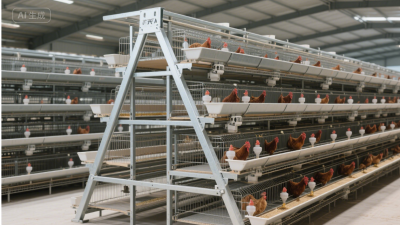
Use simple feeders and drinkers, manual or semi-automatic egg collectors, low-energy heating lamps for brooding, small-scale H-type chicken cages, ventilation fans for hot seasons, and locally made brooders with low electricity consumption.
How Technology Reduces Costs
It improves feed efficiency, prevents water contamination, cuts labor time, lowers bird mortality and sustains stable production; African farmers can start small with only a few cages, feeders or lamps and expand their operation as profits increase.
6. Build Local Markets and Collaboration Networks
Having chickens is one thing; selling them profitably is another. African farmers should focus on community-based marketing and local collaboration to reduce risks and improve income.
Low-Cost Marketing Ideas
Sell eggs and poultry at village markets, establish partnerships with restaurants, hotels and schools, set up local poultry cooperatives, build customer trust by guaranteeing fresh and safe products, conduct promotion via WhatsApp groups, and sell improved vaccinated local breeds to neighbouring farmers.
Benefits of Building a Network
Shared knowledge and training, bulk feed purchasing at lower prices, shared transportation resources, group access to equipment or hatcheries, and more stable buyers together form a solid network that cuts costs and ensures long-term sustainability.
7. Conclusion: Low-Cost Poultry Farming Is Possible for Every African Farmer
Starting a chicken farm in Africa does not require huge investments; by leveraging local resources, affordable equipment, hardy breeds and smart feeding practices, even novice farmers can establish a successful poultry business, with low-cost success hinging on constructing simple, well-ventilated housing, raising local chicken breeds, adopting economical feeding strategies, prioritising preventive healthcare, investing in basic long-lasting poultry equipment and developing solid community networks, and with proper management, poultry farming can become a steady source of income for African households, while Guangxing’s poultry equipment solutions are able to support farmers throughout the whole process.


