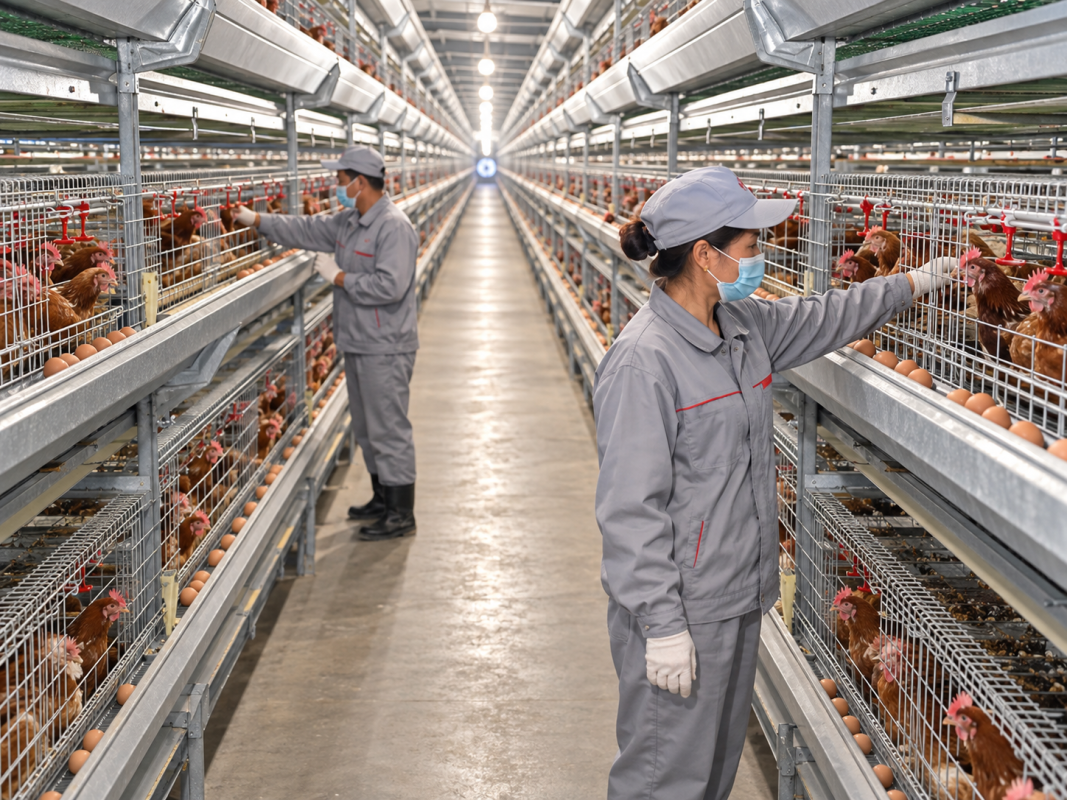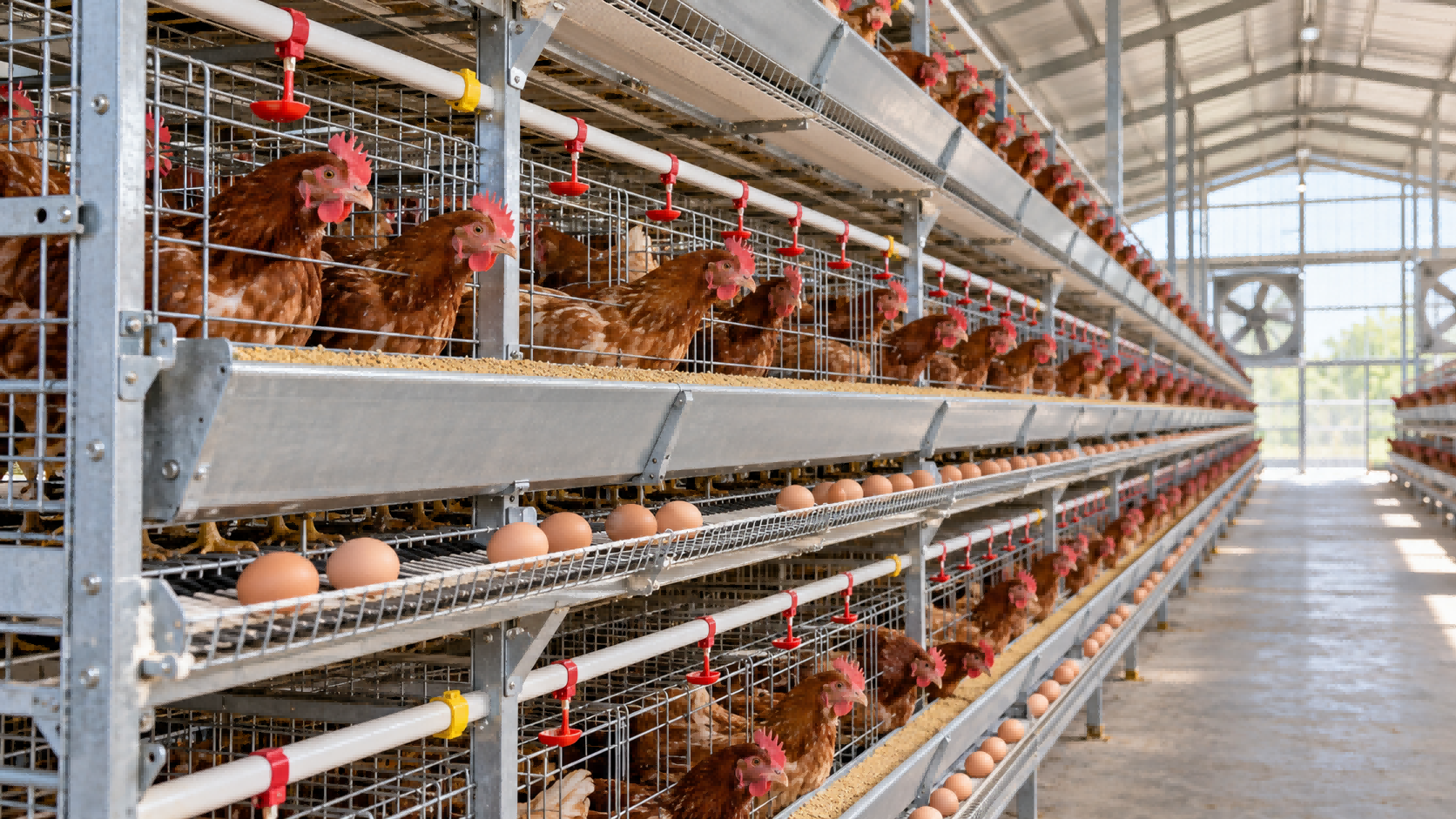
If you are looking for Gartech poultry equipment prices, you probably want to compare cage models, understand the cost of automation and find out which system suits your farm.
Gartech, an Indian poultry equipment manufacturer, offers several commercial layer housing systems, including GE Classic, GE Royal Plus and GE Ultima Air. Each uses a different cage arrangement and serves particular housing conditions.
We could not find a complete, current price list for an installed poultry farm on the official Gartech product pages reviewed for this article. The model, bird capacity, building dimensions and equipment scope all influence the final quotation.
For a 20,000-layer project in Nigeria or Ghana, the question is not simply how much the cages cost. It is whether the proposed package includes the feeding, drinking, egg collection and manure handling equipment the farm needs.
At Guangxing, we take a similar approach when reviewing poultry equipment requirements. We start with the building and daily operation, then work out which equipment arrangement is practical.
Which Gartech Layer Cage Models Should Buyers Compare?
Gartech’s commercial layer range includes several designs. Three are particularly relevant when planning a commercial egg farm.
GE Classic: A-Type Cages for Stepped Housing Layouts
Gartech GE Classic uses a stepped A-frame structure.
The manufacturer’s published product information describes three-, four- and five-tier configurations, with semi-automatic or automated feeding and egg collection options.
It also describes raised-platform arrangements and floor-level manure pits that can connect to scraper equipment.
These details matter when working with an existing poultry house. A farmer may already have suitable manure pits and enough room for stepped cage rows. Another building may need construction work before the equipment can be installed.
Gartech’s earlier product information positions GE Classic mainly for temperate conditions.
That does not necessarily rule it out for a warmer country. However, buyers should assess the proposed cage arrangement and the building’s ventilation against the actual site conditions.
GE Royal Plus: Designed Around Tropical Open Houses
GE Royal Plus is Gartech’s California-type cage system for commercial egg production in open-sided houses.
The manufacturer presents the range for tropical and subtropical climates.
Its product information highlights the spacing between cage tiers, which supports natural cross-ventilation. Gartech also describes galvanized structural components and aluminium-alloy feed troughs.
Another design feature is a footrest and egg-saving arrangement intended to reduce the distance eggs travel before collection.
Earlier published specifications describe two- and three-tier arrangements for manure pits approximately 213 cm or 231 cm wide. These figures refer to particular pit configurations, not the overall width of an installed cage row.
Buyers should confirm the dimensions against the latest model drawing before starting construction.
For farms in Nigeria, Ghana or other warm regions, the tier arrangement and natural ventilation approach are worth examining.
Still, the cage cannot solve every temperature problem.
Roof design, building orientation, ventilation openings and stocking conditions also influence the environment inside the poultry house.
GE Ultima Air: An H-Type Option for Automated Farms
Gartech’s current GE Ultima Air H-Type system uses vertically stacked cages.
Its published product information describes three- to six-tier configurations and standard or wide cage-box options.
The system supports automatic feeding, egg collection and manure removal, depending on the selected configuration.
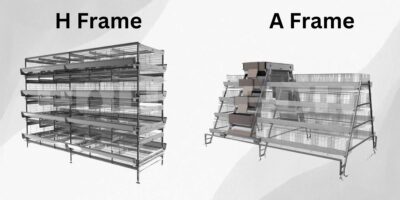
An H-type layout makes more intensive use of the building’s height than a stepped A-frame arrangement.
That may suit a farm where floor space is limited or where several automatic systems need to work together.
However, the design must provide sufficient airflow, maintenance access and space for conveyors and mechanical equipment.
Comparing the Three Gartech Systems
| Model | Main structure | What buyers should examine |
|---|---|---|
| GE Classic | Stepped A-frame | Building dimensions, manure pits and feeding options |
| GE Royal Plus | California-type open-house cage | Tier spacing, natural ventilation and pit layout |
| GE Ultima Air | Multi-tier H-frame | Building height, automation and airflow |
The choice depends on how the farm is built and operated.
For example, a farmer renovating an existing open-sided house may have different requirements from an investor planning a new, mechanically ventilated layer building.
What Should a Poultry Equipment Quotation Include?
A quotation for 20,000 laying hens may cover cages and basic accessories. Another quotation for the same capacity may include automatic feeding, egg elevators, central conveyors and manure removal.
As a result, the totals can differ substantially.
Before comparing suppliers, ask for an itemized equipment list.
Poultry Equipment Quotation Checklist
| Equipment | What buyers should confirm |
|---|---|
| Layer cages | Model, tiers, row length, capacity and material specification |
| Feeding | Troughs, feed delivery, motors and silo connections |
| Drinking | Nipple lines, regulators, filters and water connections |
| Egg collection | Row belts, elevators, cross-conveyors and collection point |
| Manure removal | Pits, scrapers or belts and external discharge equipment |
| Ventilation | Fans, cooling equipment, air inlets and controls where required |
| Electrical | Motor ratings, control panels and protective devices |
| Installation | Drawings, local labor, technical guidance and commissioning |
| Spare parts | Included parts, replacement costs and delivery arrangements |
Egg collection is a useful example.
One supplier may include the belts that move eggs to the end of each cage row but exclude the conveyor leading to the packing room.
Manure removal can have a similar boundary. A supplier may include equipment inside the poultry house while pricing the final discharge conveyor separately.
These arrangements are not necessarily problems. What matters is knowing exactly what each supplier has priced.
A layout drawing and a clear bill of materials help buyers identify those differences before placing an order.
How Guangxing Would Approach a 20,000-Layer Farm
If you are considering Gartech’s A-type or H-type equipment, another useful step is to obtain a proposal based on the same building dimensions and operating requirements.
Guangxing manufactures stepped and vertically stacked layer cage systems, together with feeding, drinking, egg collection and manure removal equipment.
The equipment arrangement depends on whether the farm already has a poultry house or plans to build a new one.
An Existing Open-Sided Poultry House
A stepped cage arrangement may be practical where the building provides enough width for cage rows, access aisles and manure handling.
Guangxing’s A-frame layer cage range includes three- and four-tier configurations.
Farm owners can select feeding, drinking and egg collection equipment according to the level of automation they need.
For an existing building, we would first examine the usable internal dimensions, ventilation openings and proposed manure collection arrangement.
There is little value in selecting a cage layout that fits on paper but leaves insufficient room for maintenance or equipment discharge.
A New Poultry House with Integrated Automation
For a new building, the project team can consider the cage and supporting equipment together from the design stage.
Guangxing’s H-Type Automatic Layer Cage System combines vertically stacked housing with automatic feeding, nipple drinking, egg collection and manure removal.
The layout needs to account for cage rows, service aisles, conveyors, drive units and discharge points.
In addition, the project team should review ventilation and electrical requirements before finalizing the equipment arrangement.
A farm’s bird capacity alone does not establish how many cage rows or tiers it should use. Available space and the selected cage specifications determine the actual quantities.
Planning Egg Collection Around Daily Production
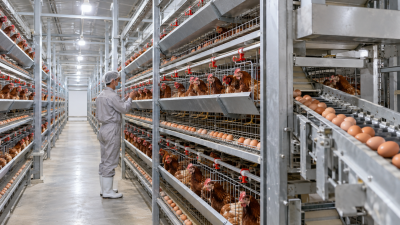
Egg collection deserves particular attention because it affects daily work in the poultry house.
For illustration, a 20,000-layer flock producing at a 90% hen-day rate would lay approximately 18,000 eggs in one day.
This is a planning example, not a production guarantee. Actual egg output varies with flock age, breed, health and management.
The owner needs to decide where those eggs should go.
In one poultry house, workers may collect eggs at the end of the cage rows. In a larger operation, conveyors may provide a more practical route towards a shared collection area.
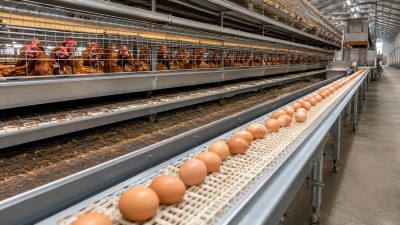
Guangxing’s automatic egg collection system offers equipment for row collection and centralized conveying.
The number and length of cage rows, the collection room’s location and the required transfer route determine the final arrangement.
For projects that may expand later, the initial design should account for these connections.
Otherwise, adding conveyors after a farm begins operating can involve further mechanical and electrical work.
If you have a poultry-house drawing, you can send Guangxing the building dimensions and planned capacity for an initial discussion about equipment configuration.
Comparing Gartech and Guangxing: What Matters Most?
Gartech and Guangxing offer different cage designs and automation options.
When comparing their proposals, buyers should focus on the farm’s requirements rather than assume products with similar names have matching specifications.
Three questions are particularly useful.
Will the equipment fit the building?
Check the proposed cage rows, clearances, ventilation arrangement and maintenance access.
Does the quotation include the required equipment?
Review the feeding, drinking, egg collection, manure discharge and electrical systems. Also identify any components the supplier has excluded.
Who is responsible after delivery?
The supplier should explain installation, commissioning, spare-parts support and warranty responsibilities in the quotation and contract.
Guangxing’s product range provides A-frame and H-type options that buyers can assess against the same project requirements as a Gartech proposal.
The designs and specifications may differ. Therefore, buyers should make the final decision based on the proposed layout, equipment scope and operating conditions.
Guangxing also describes poultry-house layout planning and installation guidance among its services. Buyers should confirm the exact level of support, production schedule and spare-parts arrangements for each project.
This approach gives farm owners a practical basis for comparing equipment proposals without relying on unsupported claims about which manufacturer is cheaper or better.
What Else Should African Buyers Include in Their Budget?
For a poultry project in Nigeria, Ghana or Kenya, the factory equipment price may be only part of the investment.
Shipping, customs clearance, inland transport, electrical work and installation may require separate budgets.
Shipping and Import Costs
Start by checking the delivery term and named destination.
An EXW quotation generally places extensive transport responsibilities on the buyer. Under CIF, the seller arranges and pays for freight and the specified insurance to the named destination port, but the buyer still needs to check import clearance and final delivery responsibilities.
Depending on the shipment, customs duties, port handling, storage and inland transport may need separate payment.
Therefore, buyers should ask a freight forwarder or customs specialist to confirm shipment requirements and destination charges before placing an order.
Power Supply and Ventilation
Automatic feeding, egg collection and manure removal equipment introduce electrical loads.
Where a poultry house relies on mechanical ventilation, maintaining airflow during a power interruption can become particularly important.
The supplier should provide motor ratings and electrical requirements. A qualified engineer can then assess the power supply, protective devices and backup arrangements.
For farms that regularly use generators, fuel and maintenance should also form part of the operating budget.
Installation and Spare Parts
Before shipment, compare the actual poultry house with the approved layout.
Confirm the internal dimensions, floor levels, structural columns, ventilation openings and conveyor discharge positions.
The supplier should also explain who will handle installation labor, technical supervision and commissioning.
For warranty and maintenance, ask which components the warranty covers and who pays for replacement-part shipping, technician travel and local labor.
These questions matter regardless of where the equipment comes from.
What Does Guangxing’s Guiyang Project Demonstrate?
Guangxing’s published Guiyang Agricultural Investment Project in Qingzhen, China, illustrates how a poultry farm can coordinate several equipment systems within one development.
According to the company’s project information, the development includes four layer houses, two pullet-rearing houses, an egg processing workshop and manure-treatment facilities. The project began operating in December 2023.
Guangxing reports supplying feeding, drinking, egg collection, manure removal and environmental control equipment.
The project demonstrates how the company has approached system coordination during farm development. A new project in West Africa would still need a design that accounts for local buildings, climate and utilities.
What Should You Send When Requesting a Quotation?
A useful inquiry begins with the farm location, bird type, planned capacity and whether the poultry house already exists.
The building’s length, width and clear internal height are particularly helpful. A simple drawing or photographs can provide additional context.
It also helps to explain which processes you want to automate and whether you plan to expand later.
With this information, a manufacturer can prepare a preliminary layout, identify the main equipment quantities and clarify the quotation scope.
For more detail, see our poultry farm equipment price and quotation guide.
Frequently Asked Questions
Is there an official Gartech poultry equipment price list?
We did not find a complete, standardized price list for commercial poultry projects on the official product pages reviewed. Buyers should request a quotation for the specific model and equipment scope.
Which Gartech cage system is designed for tropical conditions?
Gartech presents GE Royal Plus for tropical and subtropical open-sided poultry houses. However, buyers should still assess the proposed system against the building and local operating conditions.
What is the difference between GE Classic and GE Ultima Air?
GE Classic uses a stepped A-frame structure, while GE Ultima Air uses a vertically stacked H-frame arrangement. They differ in layout, installation requirements and automation options.
Can Guangxing provide an alternative A-type or H-type cage system?
Guangxing offers A-frame and H-type layer cage systems that buyers can evaluate against the same farm requirements. Each system has its own specifications, layout and equipment options.
Can Guangxing configure poultry equipment for a tropical open-sided house?
Guangxing offers cage equipment for different poultry-house arrangements. For a tropical open-sided house, the equipment layout needs to account for natural ventilation, building design and local operating conditions.
What lead time and spare-parts support does Guangxing offer for African buyers?
Equipment configuration, production requirements and destination affect the lead time. Buyers should request written confirmation of manufacturing schedules, spare-parts availability, shipping arrangements and warranty responsibilities.
Is an H-type cage always more expensive than an A-type cage?
No. A fully automated H-type package may involve a higher initial investment than a simpler A-type arrangement. However, cage capacity, materials, equipment quantities and automation determine the actual cost.
Buyers should compare quotations that cover the same equipment functions and delivery responsibilities.
Final Thoughts
Gartech poultry equipment prices depend on the selected model, building conditions and automation requirements. GE Classic, GE Royal Plus and GE Ultima Air offer different ways to arrange a commercial layer house.
For buyers evaluating these systems, the next step is to turn the product options into a practical equipment layout.
Guangxing offers A-frame and H-type cage systems, feeding and drinking equipment, egg collection and manure removal. Buyers can consider these systems when reviewing alternative proposals for the same farm requirements.
A clear layout, itemized equipment list and written delivery terms help buyers understand the complete investment and make a more informed purchasing decision.