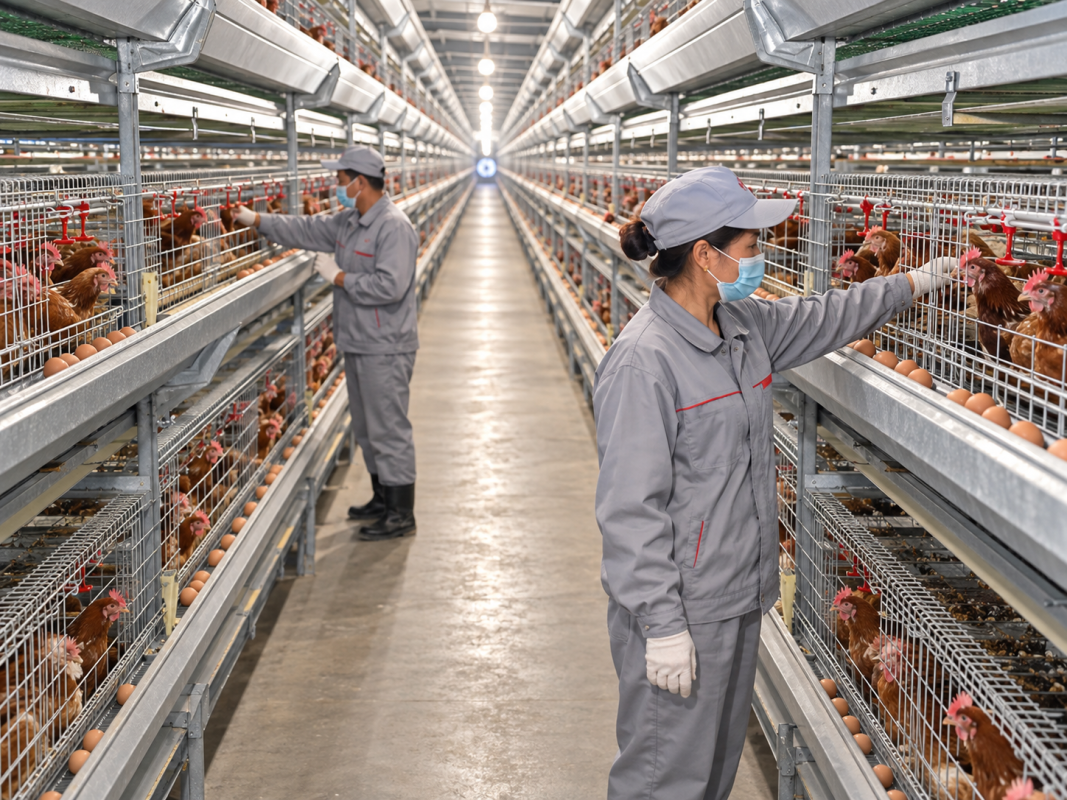
H Type vs A Type Chicken Cage: Which Is Better for Your Poultry Farm in 2026?
- For every poultry farmer who wants to start or expand their commercial breeding business, choosing the appropriate chicken cage system is the key to determining farm output, labor costs, and long-term profits.
- Currently, H-type chicken cages and A-type chicken cages are the two most popular poultry cage systems in the global poultry farming industry.
- Most new farmers are confused about the differences between them and don't know which one is more suitable for their farming scale and budget.
- This article will analyze the differences between H-type and A-type poultry cages from the aspects of structural design, breeding capacity, automation level, service life, cost, and applicable scenarios.
- Help you make the most cost-effective choices for poultry farms in 2026.
Basic Definition and Structural Difference
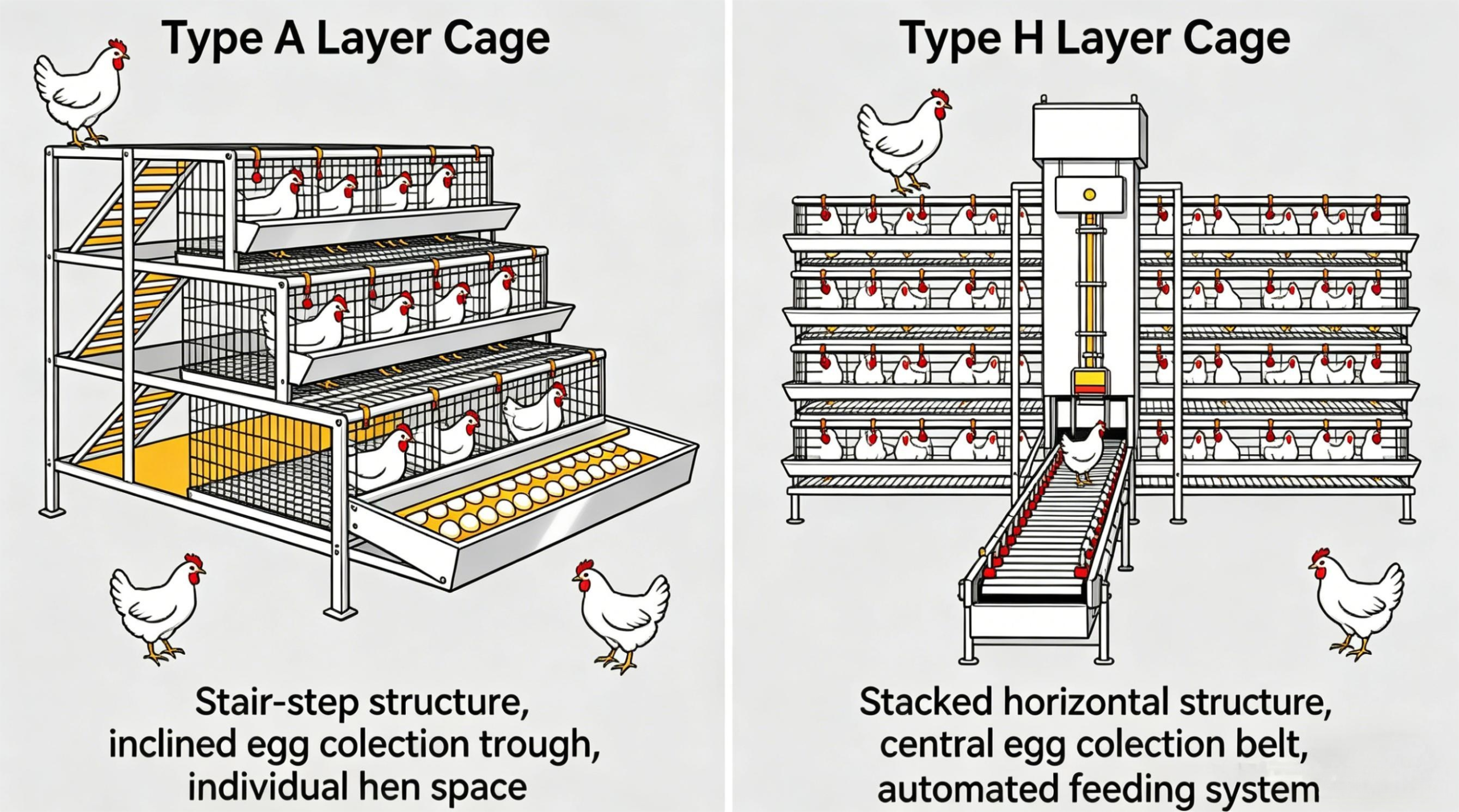
- The core difference between H type chicken cage and A type chicken cage lies in the frame structure and stacking mode.
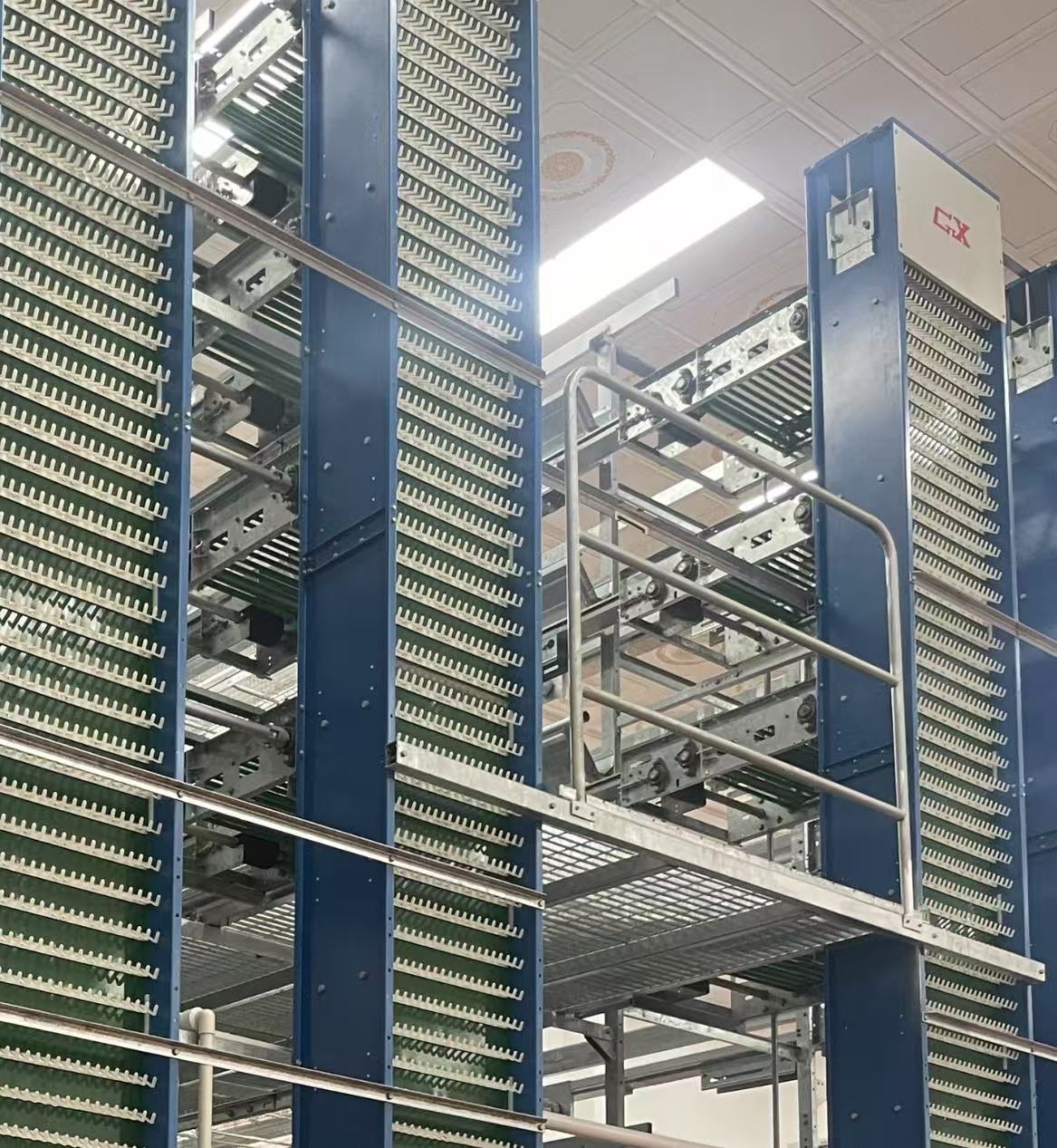
- The H type chicken cage is named after its vertical H-shaped steel frame.
- It adopts a fully vertical multi-layer stacked structure, with 3 to 8 layers of cages arranged vertically in a concentrated manner.
- Due to the independent load-bearing structure of each floor, there is no pressure between floors, and the force is uniform, so the entire frame is very stable.
- The cage body is neat and standardized, which is convenient for matching automatic feeding, egg collection and manure removal systems.

- The A type chicken cage adopts an A-shaped inclined support structure, mostly 2 layers of staggered layout.
- The frame is relatively simple, and the cage body is inclined as a whole to facilitate automatic egg rolling.
- Its structural design is relatively traditional, with low stacking height and relatively low vertical space utilization.
Breeding Capacity and Space Utilization
- Space utilization is the biggest advantage of H type automatic chicken cage, and also the core reason why large farms prefer H-type cages.
- Compared with the traditional 2-layer A-type cage, the 4-layer H-type poultry cage can increase the breeding yield by 35% -40% under the same footprint.
- For example, a 1000-square-meter farm can raise about 20,000 laying hens with A-type cages, while it can raise more than 28,000 laying hens with H-type cages.
- For farmers with limited land resources, H-type cages can maximize the output of unit land and greatly improve farm revenue.
- A type chicken cage is limited by its structural design, with low stacking height and fewer breeding layers.
- It cannot realize ultra-large-scale intensive breeding, and is only suitable for small and medium-sized farms with low breeding density.

Automation and Labor Cost Saving
- Modern commercial poultry farming heavily relies on automated equipment to reduce labor costs.
- H-shaped cages will perform better in automated matching.
- The H type chicken cage system is a fully integrated automatic breeding system.
- It can be perfectly matched with automatic feeders, centralized egg collection devices, belt manure removal systems, and environmental control equipment.
- The whole breeding process basically realizes unmanned operation, which can save 25%-30% of annual labor costs.
- For large farms with more than 10,000 chickens, the labor cost saved every year is very considerable.

- The vast majority of A-type chicken cages are used for semi-automatic or manual assisted breeding.
- A few styles can be paired with simple automation equipment.
- However, the integration level is low, the operating efficiency is poor, and the feeding, egg picking, and manure cleaning processes still require a large amount of manual operation.

Service Life and Durability
- H-type and A-type poultry cages are mainly made of hot-dip galvanized steel, but there are differences in structural strength and durability.
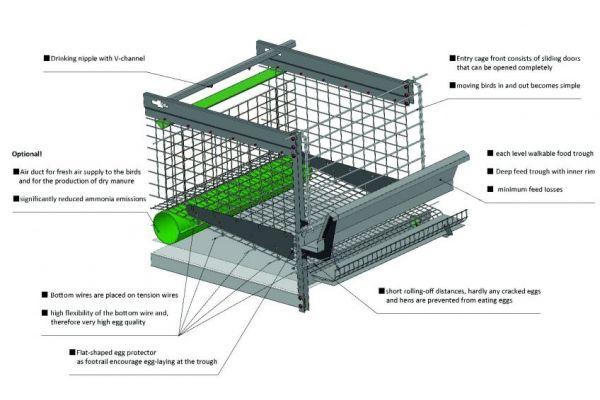
- The H-shaped chicken cage adopts an overall thickened steel frame, which has strong overall stability and will not deform after long-term use.
- The galvanized layer is uniform.
- The service life can reach 15-20 years, and the maintenance rate in the later stage is extremely low.
- The A type cage has a relatively simple support structure, thin frame material, and is prone to loose joints and slight deformation after long-term load-bearing.
- Its conventional service life is about 8-12 years, and regular maintenance and replacement of parts are required.
Cost and Economic Benefit Analysis
- From the perspective of initial investment cost, H-type chicken cages have a complex structure, more materials, more complete supporting automation systems, and a higher unit price than A-type chicken cages.
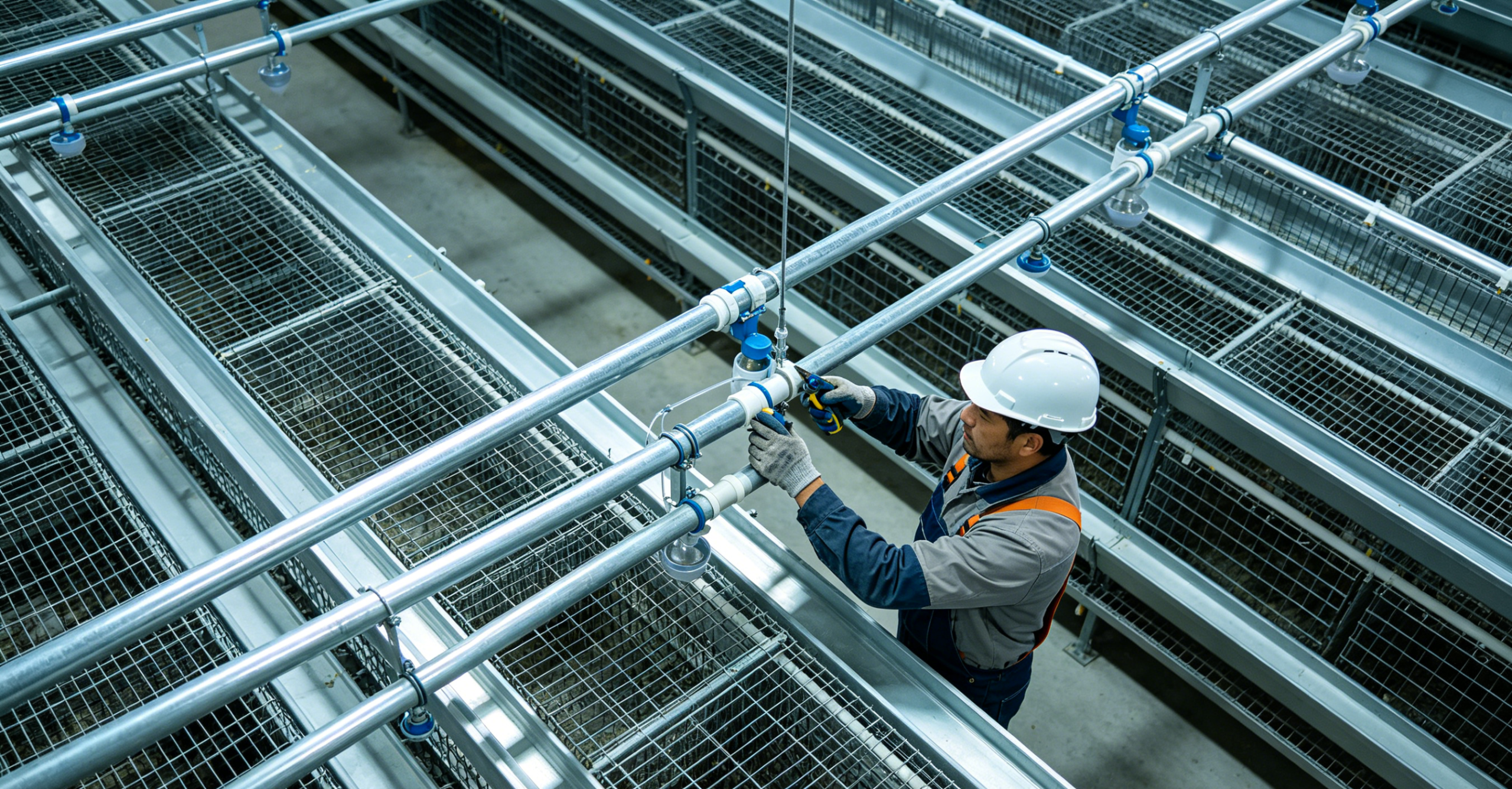
- However, in terms of long-term economic benefits, H-shaped chicken cages have significant advantages.
- Higher aquaculture capacity brings higher yields, full automation greatly saves labor costs, and the long service life reduces equipment replacement and operation expenses.
- For large-scale projects with a breeding cycle of more than 10 years, the investment return rate of H-type fully automatic chicken cages is higher.
- A type chicken cage has low initial investment and is suitable for farmers with limited budget and small breeding scale (below 10,000 birds).
- It can meet the basic breeding needs and realize quick return of funds.
Applicable Scenarios: How to Choose?
Choose H Type Chicken Cage if you meet the following conditions:
- Breeding scale above 10,000 laying hens
- Limited farm land, need high space utilization
- Want to realize full automatic breeding and save labor cost
- Long-term breeding plan (more than 10 years)
- Large commercial farms, government cooperation projects
Choose A Type Chicken Cage if you meet the following conditions:
- Small breeding scale (below 10,000 birds)
- Sufficient farm land
- Limited initial budget
- New farmers who are just starting poultry farming
Summary
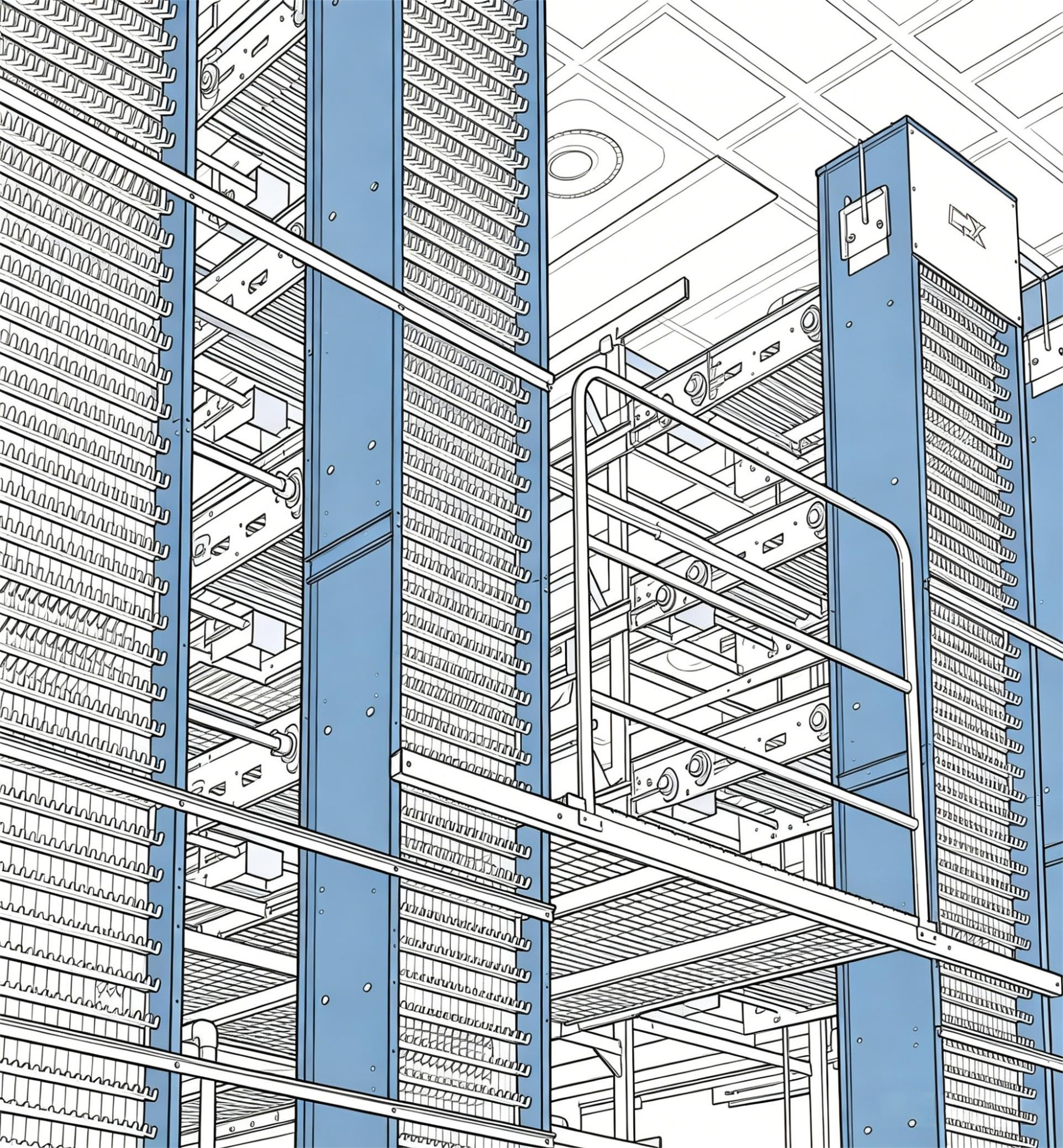
Type H Chicken Cage
- The upper and lower layers block each other. The ventilation at the lower level is weak.
- Integrated conveyor belt for fecal cleaning, highly compatible with automated systems
- Extremely high density, suitable for large-scale high-density farming
- Lower level operations are slightly limited, and higher-level operations require auxiliary tools
- Suitable for large-scale commercial breeding farms, fully automated breeding processes, and high-density breeding needs with limited land resources
- The cost is relatively high, with a large amount of framework steel, requiring more supporting automation auxiliary equipment
- High density breeding environment, high daily breeding density of chicken flocks, requiring a complete environmental control and epidemic prevention system
- Specially designed for full process automation, seamlessly compatible with automatic feeding, egg collection, fecal cleaning, environmental control, and other systems
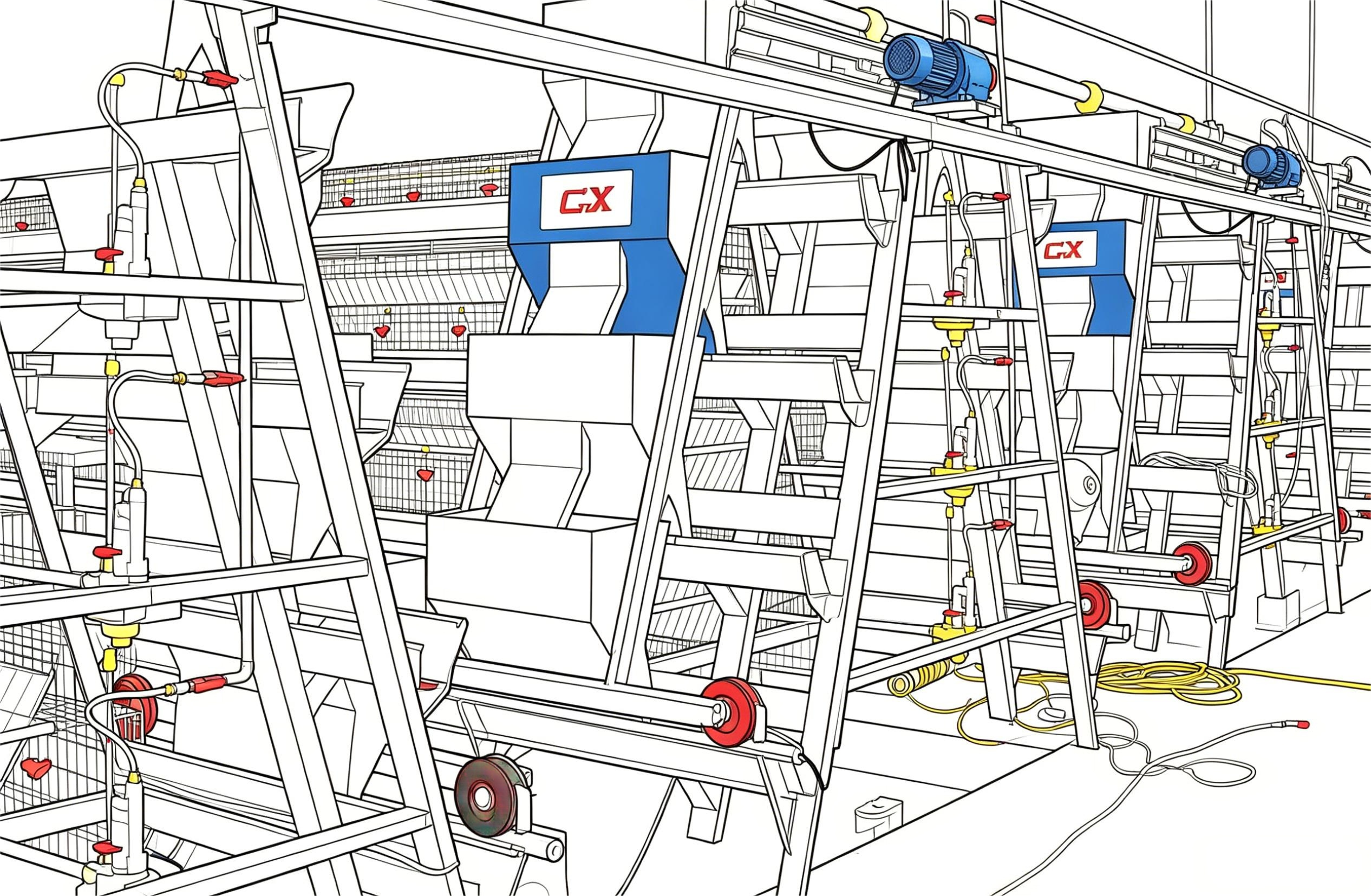
Type A Chicken Cage
- The overall shape is A-shaped, with a staggered stepped structure, with each layer staggered in front and back, and each layer's cage extending independently
- The space is relatively large, and due to interlayer misalignment, it occupies more horizontal space
- No obstruction between layers, uniform ventilation and lighting
- Each layer of feces is mostly washed separately, with low risk of cross contamination
- Low density, large activity space for each chicken
- Wide field of view, convenient for egg retrieval, chicken inspection, and equipment maintenance
- Small and medium-sized chicken farms, transitioning from free range to cage farming, with a focus on chicken health and welfare as their primary breeding objectives
- Medium cost, simple structure, low steel consumption
- The environment is closer to natural conditions, the activities of chickens are closer to the nature of free range breeding, and the incidence rate of respiratory diseases is low
- Compatible with basic automation equipment and average compatibility with the entire process automation
Final Conclusion
- In 2026, intensive and automated large-scale breeding has become the mainstream trend of the global poultry industry.
- H type chicken cage is the best choice for most commercial layer farms due to its high space utilization, high automation, long service life and high comprehensive benefits.
- A type chicken cage is still cost-effective for small and novice farmers with small scale and low budget.
- If you plan to build a new commercial poultry farm or upgrade old breeding equipment, our customized H-type automatic chicken cage system can provide you with a professional one-stop breeding solution.
- Help you maximize your farming profits.