


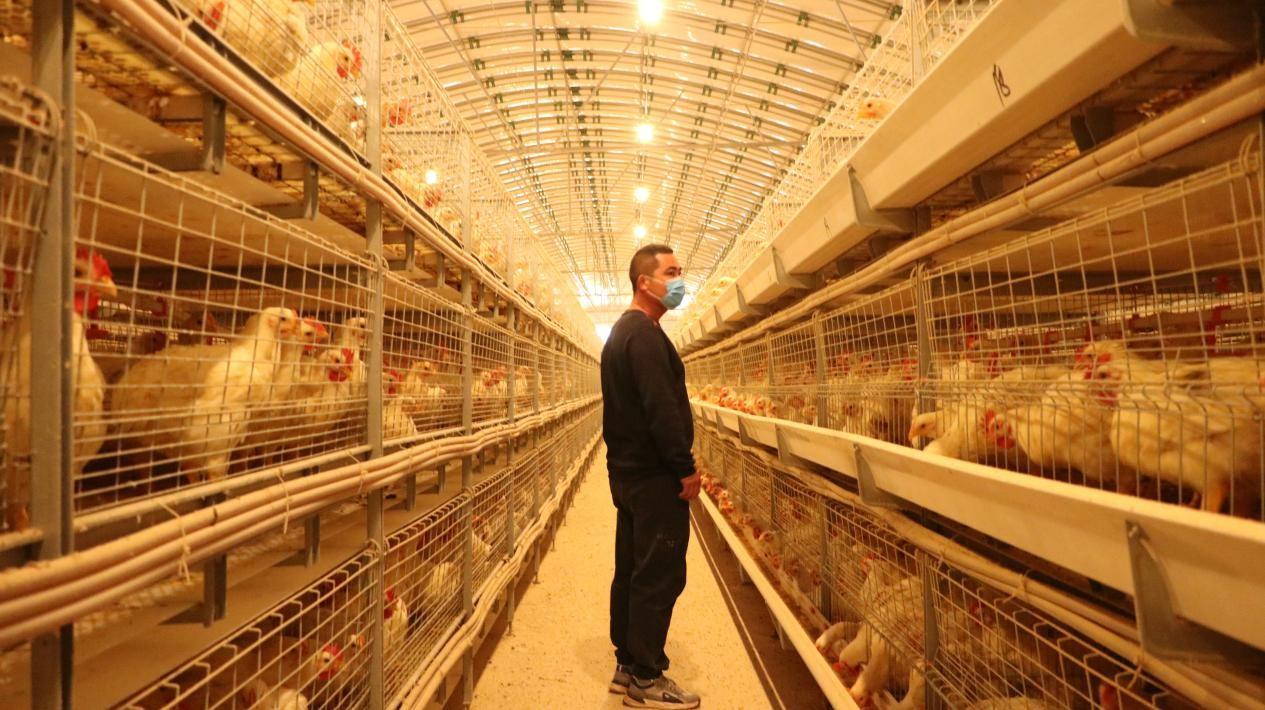
Designing an efficient poultry house is one of the most critical decisions a poultry farmer will ever make. The right poultry house design not only determines the comfort and health of the birds but also directly impacts productivity, biosecurity, and operational costs. Whether you are starting a small family-run farm or expanding to a large commercial operation, the layout, materials, and functionality of your poultry house can make the difference between profit and loss.
In this article, we will explore the principles of poultry house design, types of poultry housing systems, climate considerations, and the latest trends in modern poultry housing that help farmers achieve sustainable, high-yield production.

1. Why Poultry House Design Matters
A poultry house is more than just a shelter—it is a controlled environment designed to meet the needs of birds at every stage of their growth. Poorly designed housing can lead to:
High mortality rates
Reduced feed conversion efficiency
Lower egg production or slower weight gain
Higher disease risks
Increased operational costs
On the other hand, a well-planned poultry house design ensures:
Optimal bird welfare
Efficient use of space and resources
Stable environmental conditions
Easier management and automation integration
Better overall profitability
2. Key Principles of Poultry House Design
When planning a poultry house, farmers should consider several fundamental principles.
A. Ventilation
Proper ventilation is crucial for controlling temperature, humidity, and ammonia levels. Inadequate airflow can cause heat stress in summer, cold stress in winter, and respiratory problems year-round. Options include:
Natural ventilation – using side curtains, open sides, and ridge vents.
Mechanical ventilation – tunnel fans, exhaust fans, and cooling pads.
Tip: Always design ventilation according to the local climate to ensure consistent air quality.

B. Temperature Control
Birds are highly sensitive to temperature. Ideal temperature varies with species and age. For example:
Broilers (day-old to slaughter) need warmer conditions at first, gradually reduced over time.
Layers need stable, moderate temperatures for optimal egg production.
Heating can be provided by gas brooders, infrared heaters, or hot water pipes, while cooling may involve evaporative cooling pads or fogging systems.
C. Lighting
Light intensity and duration influence both growth and egg production. A poultry house design should incorporate:
Natural light through windows or translucent panels
Artificial lighting systems (LED or CFL) with programmable timers
Uniform light distribution to avoid stress spots
D. Flooring and Litter Management
The flooring system depends on the type of housing:
Deep litter system – uses organic material such as wood shavings or rice husks.
Slatted floors – allow droppings to fall through, reducing direct contact.
Cage systems – use manure belts for waste collection.
Proper flooring prevents foot problems, keeps birds clean, and aids in waste management.
E. Space Allocation
Overcrowding leads to stress, disease outbreaks, and poor performance. Recommended stocking densities should be followed:
Broilers: 0.06–0.09 m² per bird
Layers: 450–550 cm² per bird in cages or 1.5–2 birds/m² in deep litter
F. Biosecurity
Poultry house design should include features that reduce the risk of disease introduction:
Perimeter fencing
Footbaths and vehicle disinfection points
Controlled access zones for workers and visitors
3. Types of Poultry House Designs
The ideal poultry house design depends on production goals, bird species, climate, and budget.
A. Open-Sided Poultry Houses
Best suited for tropical and subtropical climates
Allow natural ventilation
Lower construction costs
Common in small and medium-scale farms
B. Environmental-Controlled Poultry Houses (EC Houses)
Fully enclosed with mechanical ventilation
Maintain stable temperature, humidity, and airflow
Support high-density stocking and year-round production
Suitable for both broilers and layers in large-scale operations
C. Deep Litter Houses
Birds are raised on a litter-covered floor
Lower equipment investment but higher labor for cleaning
Requires good litter management to prevent diseases
D. Slatted or Raised Floor Houses
Slatted floors allow droppings to fall below the birds
Reduces direct manure contact and ammonia exposure
Often combined with automated manure removal systems
E. Cage Systems
A-frame cages – triangular stacking design, ideal for layers
H-type cages – vertical stacking with shared manure belts
Maximize bird density and allow automation of feeding, watering, egg collection, and manure removal
4. Climate Considerations in Poultry House Design
Hot Climates
Use open-sided designs with curtains
Install roof insulation or reflective sheets
Integrate evaporative cooling pads or fogging systems
Cold Climates
Fully enclosed houses with proper insulation
Adequate heating systems for chicks and adult birds
Ventilation systems designed to prevent condensation
Tropical Climates
Raised floors for better airflow and flood protection
Wider roof overhangs to provide shade and rain protection
Combination of natural ventilation and mechanical fans
5. Automation in Modern Poultry House Design
Modern poultry farming increasingly relies on automation to improve efficiency and reduce labor costs. Key systems include:
Automatic feeding systems – chain feeders, pan feeders
Automated watering systems – nipple or cup drinkers with filtration
Automatic egg collection – conveyor belts for layers
Manure removal systems – scrapers or manure belts
Climate control systems – integrated sensors, fans, heaters, and cooling pads
Automation not only increases productivity but also ensures consistency in bird care.
6. Sustainability and Energy Efficiency
Sustainable poultry house design focuses on:
Solar panels to reduce electricity costs
Rainwater harvesting for cleaning and drinking
Waste-to-energy systems using poultry manure for biogas production
LED lighting to lower power consumption
By integrating eco-friendly systems, farmers can cut costs and improve their environmental footprint.
7. Common Mistakes in Poultry House Design
Ignoring local climate conditions – leading to heat stress or cold stress
Poor ventilation layout – causing uneven airflow
Overcrowding – increasing disease risks and reducing performance
Inadequate biosecurity measures – making farms vulnerable to outbreaks
Low-quality construction materials – leading to higher long-term costs
8. Case Study: Efficient Layer Poultry House
A commercial egg farm in Southeast Asia implemented a four-tier A-frame cage system in a climate-controlled house. Results included:
20% increase in egg production
30% reduction in labor costs
Improved egg cleanliness with minimal breakage
Stable temperature year-round, leading to less bird stress
This example shows that a well-thought-out poultry house design can deliver measurable benefits.
9. Choosing the Right Supplier for Poultry House Equipment
A poultry house design is only as good as the equipment that supports it. Partnering with a reliable supplier ensures:
High-quality, durable materials
Customizable designs to fit your farm’s needs
Technical support and installation guidance
Access to spare parts and after-sales service
10. Guangzhou Guangxing Poultry Equipment – Your Trusted Partner
For farmers seeking world-class poultry house solutions, Guangzhou Guangxing Poultry Equipment Co., Ltd. offers:
Custom poultry house designs for different climates and farm sizes
State-of-the-art automation systems for feeding, watering, egg collection, and manure removal
Durable galvanized steel cage systems with a lifespan of 15–20 years
Export experience to over 60 countries, ensuring global-standard quality
Expert consultation for maximizing farm efficiency
With Guangxing, you get more than equipment—you get a complete poultry farming solution.
Conclusion
An effective poultry house design combines structural integrity, climate adaptability, bird comfort, and operational efficiency. From small-scale deep litter houses to large-scale, fully automated environmental-controlled poultry houses, the right design choice can significantly impact farm profitability. By focusing on ventilation, temperature control, space allocation, and automation, farmers can ensure healthy birds, high productivity, and long-term sustainability.
If you are ready to design or upgrade your poultry house, choose a solution that blends innovation with practicality—and work with a trusted supplier who understands both your goals and your challenges.


