


The poultry farming industry stands as a cornerstone of global agriculture, offering diverse opportunities in egg production, meat supply, and even specialty products like organic poultry. Launching a successful poultry farm business requires more than passion—it demands strategic planning, adherence to industry best practices, and a keen understanding of both animal husbandry and market dynamics. This comprehensive guide outlines the essential steps to establish and grow a thriving poultry farm.
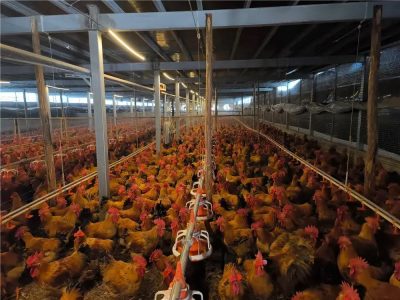
A comprehensive view of a chicken farm, showcasing the diverse aspects of chicken farming operations.
1. Define Your Poultry Business Niche and Scale
The first critical step is to identify your niche within the poultry sector. Poultry farming encompasses several focus areas, each with distinct requirements:
- Egg production: Specializing in laying hens (layers) to supply table eggs or hatching eggs.
- Meat production: Raising broilers, turkeys, ducks, or quail for meat.
- Breeding operations: Producing chicks or young birds for sale to other farmers.
- Specialty products: Focusing on organic, free-range, or antibiotic-free poultry to target premium markets.
Next, determine your operational scale. Small-scale farms (fewer than 1,000 birds) are ideal for beginners, requiring lower upfront investment and simpler management. Medium to large-scale operations (10,000+ birds) require significant capital but leverage economies of scale for higher profitability. Align your scale with your budget, available land, and long-term goals—expansion can always follow initial success.
Visual representation of various chicken farming niches, helping to clarify different business focuses in chicken rearing.
2. Conduct Thorough Market Research
A profitable poultry business hinges on understanding market demand. Start by analyzing local and regional needs:
- Identify target buyers: supermarkets, restaurants, food processors, local markets, or direct consumers.
- Assess competitors: Study their pricing, product quality, and distribution channels to find gaps (e.g., a lack of organic eggs or specialty meat).
- Evaluate pricing trends: Track wholesale and retail prices for poultry products to set competitive yet profitable rates.
Equally important is compliance with regulations. Contact local agricultural authorities to understand zoning laws, permits for poultry farming, and standards for animal welfare, waste management, and food safety. For example, many regions mandate minimum distances between poultry houses and residential areas to prevent odor or disease risks. Ignoring these regulations can lead to fines or forced closure.
Example of market research focused on chicken products, emphasizing the importance of understanding consumer needs for eggs and chicken meat.
3. Secure Funding and Create a Business Plan
Poultry farming requires upfront investment in land, infrastructure, equipment, and livestock. Calculate startup costs, including:
- Land purchase or lease.
- Construction of coops, barns, or aviaries.
- Equipment (feeders, waterers, climate control systems).
- Initial stock (chicks, pullets, or breeding stock).
- Feed, veterinary care, and labor.
Secure funding through personal savings, bank loans, or agricultural grants. A detailed business plan is essential to attract investors, outlining your niche, market analysis, financial projections (revenue, expenses, break-even point), and risk management strategies (e.g., disease outbreaks or market fluctuations).
Illustration of a business plan tailored for chicken farming, highlighting financial planning and chicken farm layout.
4. Select and Prepare the Farm Site
Choosing the right location directly impacts operational efficiency and animal health. Prioritize sites with:
- Access to resources: Reliable clean water (critical for poultry hydration and hygiene), affordable electricity, and proximity to feed suppliers.
- Environmental suitability: Well-drained soil to prevent flooding, good air circulation to reduce ammonia buildup, and protection from extreme weather (e.g., windbreaks for cold climates).
- Biosecurity potential: 远离密集的 livestock operations 或居民区,以降低疾病传播风险。
Design your farm layout to optimize workflow. Separate zones for livestock, feed storage, and waste management minimize contamination risks. For example, locate feed storage areas close to poultry houses to reduce transportation time, and position manure composting sites downwind from living quarters and coops.
Example of a well-selected chicken farm site, featuring key elements like chicken coops, water access, and space for chickens.
5. Build or Upgrade Infrastructure
Poultry housing must balance animal comfort, safety, and operational efficiency. Key considerations include:
- Climate control: Install ventilation systems, heaters, and coolers to maintain optimal temperatures (e.g., 20–25°C for layers, 25–30°C for broilers). Automated systems with thermostats reduce labor and ensure consistency.
- Space requirements: Overcrowding increases stress, disease risk, and mortality. Follow industry guidelines—for example, broilers need 0.09–0.13 m² per bird, while layers require 0.15–0.23 m².
- Predator and pest protection: Use sturdy fencing, reinforced doors, and wire mesh to deter rodents, foxes, and birds of prey.
- Specialized features: Laying houses need nesting boxes and egg collection belts; broiler houses require easy-clean flooring (e.g., concrete) for waste removal.
Invest in durable equipment: automatic feeders and waterers reduce spillage and labor, while lighting systems (adjustable for day length) boost egg production in layers. For large operations, consider automated manure removal systems to maintain hygiene.
Example of well-designed chicken infrastructure, showcasing features like nesting boxes and ventilation for optimal chicken health.
6. Choose the Right Poultry Breed
Selecting breeds aligned with your niche is critical for productivity:
- Egg production: White Leghorns (high egg yield, ~300 eggs/year), Rhode Island Reds (hardy and adaptable), or ISA Browns (efficient feed conversion).
- Meat production: Cornish Cross broilers (fast growth, ready for market in 6–7 weeks), Pekin ducks (popular for meat), or Broad Breasted turkeys.
- Specialty markets: Heritage breeds like Plymouth Rocks (dual-purpose) or Sussex (known for flavorful meat) appeal to consumers seeking unique products.
Consider local climate adaptability—some breeds thrive in hot climates (e.g., Naked Neck chickens), while others tolerate cold better (e.g., Wyandottes). Consult local breeders or agricultural extension services for region-specific recommendations.
Visual guide to different chicken breeds, helping to identify suitable options for egg or meat production.

7. Source Healthy Stock and Establish Husbandry Practices
The quality of your initial stock directly impacts long-term success. Purchase chicks, pullets, or breeding stock from reputable hatcheries or suppliers with a track record of biosecurity. Inspect birds for signs of health: bright eyes, clean feathers, and active behavior. Ensure chicks receive essential vaccinations (e.g., against Newcastle disease or infectious bronchitis) before arrival.
Implement strict husbandry routines:
- Feeding: Provide nutritionally balanced feed tailored to bird type and age (e.g., starter feed for chicks, grower feed for adolescents, layer feed with calcium for hens). Use high-quality feed to maximize growth and egg production—poor nutrition leads to stunted growth and lower yields.
- Water: Ensure constant access to clean, fresh water. Use nipple drinkers or troughs cleaned daily to prevent bacterial growth.
- Monitoring: Check birds daily for signs of illness (lethargy, abnormal droppings, or respiratory issues). Early detection is key to preventing disease outbreaks.
Example of healthy chicken stock, emphasizing the importance of quality chicks and proper care for hens.
8. Prioritize Biosecurity and Disease Management
Disease is the single greatest risk to poultry farms, with outbreaks capable of decimating entire flocks. Implement a rigorous biosecurity plan:
- Restrict farm access to essential personnel only; provide disinfectant footbaths and protective clothing (boots, coveralls) for visitors.
- Clean and disinfect housing between flocks, using approved sanitizers to eliminate pathogens.
- Avoid cross-contamination: separate equipment for different age groups or species (e.g., broilers vs. layers).
Work with a poultry veterinarian to develop a preventive health program, including vaccination schedules and parasite control. Establish protocols for culling severely ill birds to prevent disease spread, and maintain detailed health records to track trends.
Demonstration of biosecurity practices specific to chicken farms, preventing disease outbreaks among chickens.
9. Develop a Marketing and Sales Strategy
Even the highest-quality poultry products require effective marketing to generate revenue. Build a brand identity that highlights your unique selling points—whether it’s organic certification, humane farming practices, or superior taste.
Leverage diverse sales channels:
- Direct sales: Farmers’ markets, community-supported agriculture (CSA) programs, or on-farm stores.
- Wholesale partnerships: Supply local restaurants, grocery chains, or food distributors.
- Online platforms: Use social media or e-commerce sites to reach urban customers seeking farm-fresh products.
Pricing should reflect production costs, market rates, and your brand’s value. For example, free-range eggs can command 20–30% higher prices than conventional eggs due to perceived quality.
Example of effective marketing for chicken products, showcasing direct sales of eggs and chicken meat to consumers.
10. Monitor Performance and Adapt
Poultry farming is dynamic—success requires continuous learning and adaptation. Track key metrics:
- Feed conversion ratio (FCR): Measure efficiency (e.g., kg of feed per kg of weight gain for broilers).
- Production rates: Eggs per hen per day, mortality rates, or growth speed.
- Financials: Profit margins, operational costs, and return on investment.
Stay updated on industry advancements, such as new feed formulations, automated farming technologies, or sustainable practices (e.g., solar-powered coops or manure-to-energy systems). Join poultry associations or attend workshops to network with peers and access expert advice.
Illustration of performance monitoring in chicken farms, highlighting the use of data to optimize egg production and feed efficiency.
Conclusion
Starting a poultry farm business is a rewarding venture that combines agricultural expertise with entrepreneurial acumen. By defining your niche, prioritizing animal health, adhering to regulations, and understanding market needs, you can build a sustainable operation. Remember, success comes from careful planning, consistent execution, and a willingness to adapt to challenges. With dedication, your poultry farm can grow into a profitable and respected player in the agricultural industry.
A thriving chicken farm, representing the successful implementation of the strategies outlined in this guide for raising healthy chickens and producing quality eggs and meat.


