


Raising layer chickens is a rewarding venture, but success hinges on one critical decision: choosing the right layer chicken cage. The ideal cage system directly impacts egg production, bird health, labor efficiency, and long-term profitability. With countless options on the market, from basic models to high-tech automated systems, navigating the choices can feel overwhelming.
This guide breaks down everything you need to know to select the perfect layer chicken cage for your farm. Whether you’re a small-scale farmer starting out or a commercial producer scaling up, these insights will help you make an informed decision that aligns with your goals, budget, and flock size.

Why Choosing the Right Layer Chicken Layer Chicken Cage Matters
Layer chickens—bred specifically for egg production—require environments that prioritize comfort, safety, and hygiene. A poorly designed cage can lead to:
- Reduced egg output (stressed hens lay fewer eggs).
- Increased disease risk (overcrowding and poor ventilation spread pathogens).
- Higher mortality rates (injuries from sharp edges or inadequate space).
- Elevated labor costs (difficult cleaning and maintenance).
In contrast, a well-chosen cage system boosts productivity, minimizes losses, and simplifies daily operations. It’s an investment that pays off in healthier hens and consistent egg yields.
Step 1: Understand the Types of Layer Chicken Cages
Not all cages are created equal. The first step is to familiarize yourself with the most common designs, each suited to different farm sizes and goals:
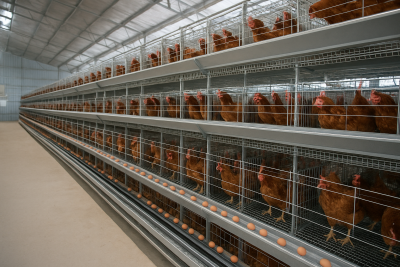
1. Battery Cages
Traditional battery cages are stacked in multiple tiers, maximizing vertical space. They’re affordable and space-efficient, making them popular for large-scale operations. Modern versions often include features like automatic feeding and egg collection.
Best for: Commercial Commercial farms with 500+ hens needing high-density housing.
Consider: Ensure they meet animal welfare standards (many regions regulate cage size and access to perches).
2. Colony Cages (Enriched Cages)
Enriched cages are larger than battery cages, with room for hens to move, perch, and nest. They balance space efficiency with better animal welfare, complying with stricter regulations in regions like the EU.
Best for: Farmers prioritizing ethical practices without sacrificing density.
3. Aviary Systems
Aviary cages mimic multi-level structures with open spaces, perches, and nesting areas, mimicking a more natural environment. Hens can roam freely between levels, reducing stress.
Best for: Small to medium farms focusing on premium, free-range-style eggs.
Note: They require more space and higher initial investment but improve hen well-being.
4. Free-Range Systems
While not strictly “cages,” free-range systems allow hens to graze outdoors, with sheltered coops for roosting and laying. They’re ideal for organic or specialty egg markets.
Best for: Small-scale producers targeting niche, high-value markets.
Step 2: Key Factors to Consider When Choosing a Layer Chicken Cage
1. Space Requirements
Overcrowding is a top enemy of egg production. Aim for at least 700-850 cm² per hen (depending on breed). Cramped cages cause aggression, feather pecking, and reduced egg quality.
- Rule of thumb: A 3-tier cage system housing 100 hens should provide 70-85 square meters of total space.
2. Material Quality
Cages are typically made from galvanized steel, plastic, or wood. Prioritize:
- Galvanized steel: Resists rust, durable, and easy to clean (ideal for humid climates).
- Non-toxic plastic: Lightweight and corrosion-resistant but less sturdy for large flocks.
- Avoid wood: Cheap, thin metal prone to bending or sharp edges (risks injury to hens).
3. Ventilation & Lighting
Proper airflow prevents ammonia buildup from manure, which harms respiratory health. Look for cages with built-in vents or compatibility with fans.
- Lighting: Ensure cages allow natural or artificial light (14-16 hours daily for optimal egg production). Avoid dark corners where hens may avoid laying.
4. Ease of Cleaning & Maintenance
Manure buildup increases disease risk. Choose cages with:
- Removable trays for easy waste removal.
- Smooth surfaces (no crevices where dirt accumulates).
- Accessible design for regular inspections and repairs.
5. Automation Features
Time is money. Automated automated automated systems save labor:
- Automatic feeding feeding: Ensures consistent food distribution.
- Automatic egg collection: Reduces breakage and manual handling.
- Manure removal systems: Minimizes daily cleanup.
Tip: Small farms may start with manual systems, while large operations benefit from full automation.
6. Durability & Longevity
Invest in cages built to last. Cheaper models may need replacement within 3-5 years, while high-quality steel cages can last 10+ years. Calculate long-term costs over upfront savings.
7. Compliance with Local Regulations
Many countries (e.g., EU, U.S.) have strict laws on cage size, animal welfare, and environmental impact. Research local standards to avoid fines or market restrictions.
Step 3: Avoid These Common Mistakes
- Choosing based solely on price: A cheap cage may cost more in repairs, vet bills, or lost egg production.
- Ignoring future growth: Buy a system that accommodates flock expansion (e.g., modular cages that can be extended).
- Overlooking climate needs: Hot regions need cages with extra ventilation; cold areas require insulation to maintain optimal temperatures (18-25°C for layers).
- Neglecting supplier support: Opt for brands with responsive customer service—you’ll need help with installation or troubleshooting.
Step 4: How to Choose a Reliable Supplier
A quality cage is only as good as its manufacturer. Look for suppliers with:
- Proven track record: Check reviews from other poultry farmers.
- Customization options: Ability to tailor cages to your farm size and layout.
- Warranty: At least a 5-year warranty on structural parts.
- After-sales service: Assistance with installation, maintenance, and spare parts.
At guangxiniot.com, we specialize in durable, high-performance layer chicken cages designed for efficiency and animal welfare. Our systems combine modern design with smart features (like IoT-enabled monitoring) to simplify management. Whether you need a small-scale setup or a fully automated automated facility, we offer customized solutions to fit your needs.
Final Thoughts
Choosing the right layer chicken cage is a decision that impacts every aspect of your poultry operation. By prioritizing space, material quality, ventilation, and compliance, you’ll create an environment where hens thrive—and your profits grow.
Ready to upgrade your poultry setup? Visit guangxiniot.com to explore our range of layer chicken cages, or contact our team for a personalized consultation. Let’s build a system that turns your hens into consistent, high-yield producers.
Happy farming, and here’s to bountiful egg harvests!



