


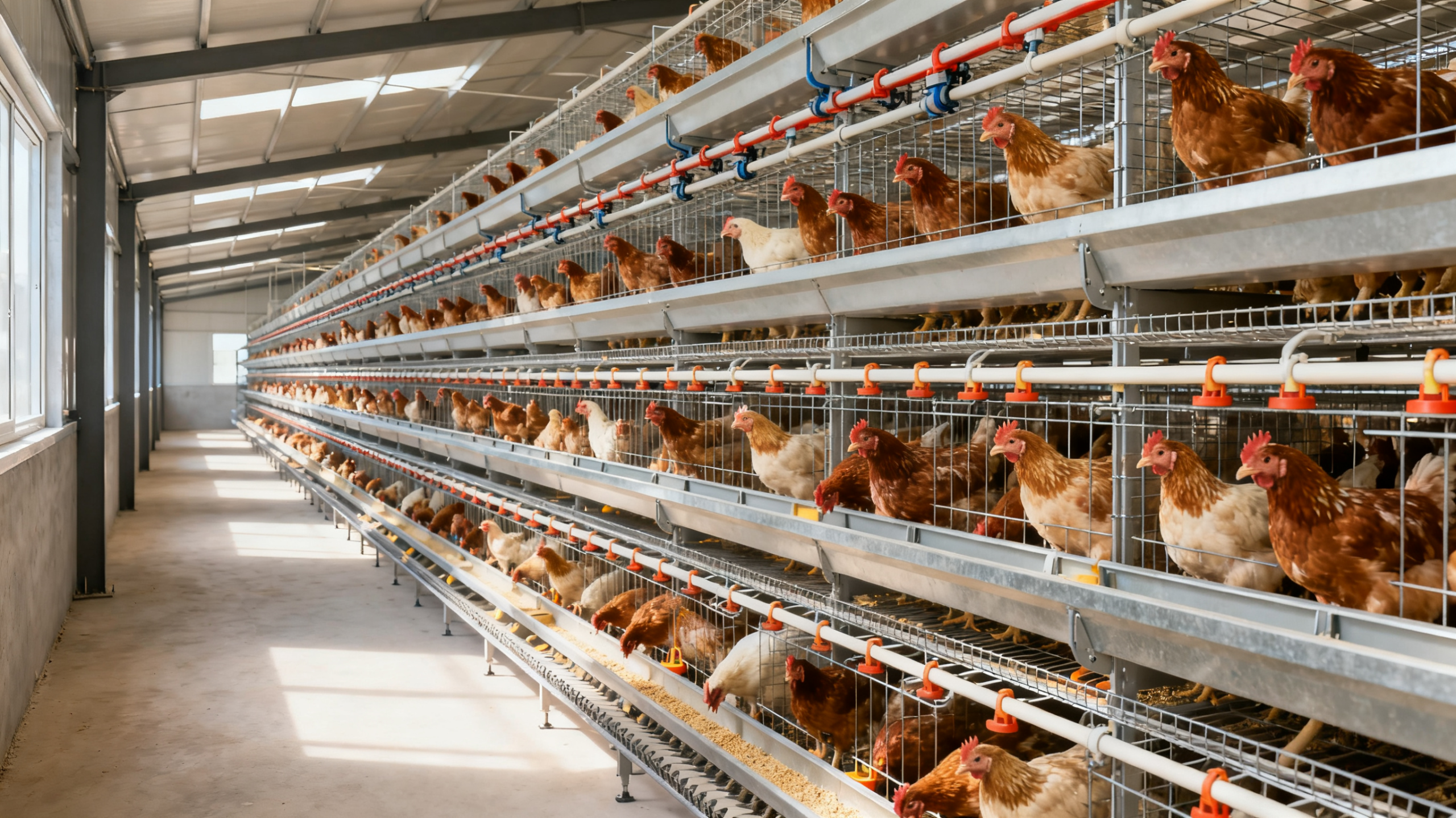
Interested in broiler farming? That’s a great idea. With the growing global demand for chicken meat, broiler farming has become one of the most promising agribusinesses — low entry barriers, quick returns, and stable profits.to raise chickens well, manage them easily, and make real money, you need a clear plan.Here’s a step-by-step guide to help you understand the essential factors for successful broiler farming.
1. Clarify Your Farming Goals First
Before you begin, take a moment to clarify a few key points: whether you intend to run a small pilot farm or a standard commercial operation, who your target buyers will be—local markets, restaurants, or wholesale distributors—and how much capital you have available as well as the amount you are prepared to invest. Once these questions are settled, your plan will gain clear direction.
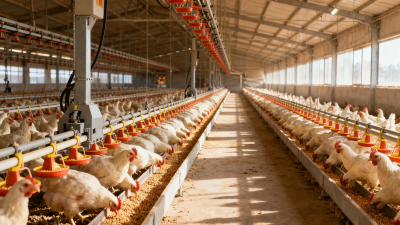
2. Choose the Right Farm Location
A good site means half the work is done. When choosing a location, pay attention to easy transportation to facilitate the delivery of feed, equipment and chickens, reliable biosecurity with a safe distance from other poultry farms to avoid cross-infection, stable water and electricity supply to sustain normal farm operations, as well as proper ventilation and drainage to maintain dry and healthy housing environments. An elevated, well-ventilated site away from residential areas is ideal for launching your farm.
3. Build a Proper Chicken House — Lay a Solid Foundation
The chicken house is the core of your operation.To ensure fast growth, low mortality, and easy management, the design must be scientific.
Key points:
Proper ventilation (fan + cooling pad systems are the most effective)
Adequate lighting (too dark affects feed intake)
Automatic drinking and feeding systems (save labor and improve accuracy)
Convenient manure removal (reduces ammonia and odors)
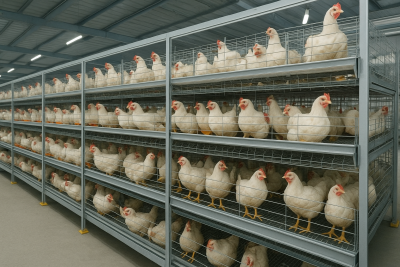
Guangxing Poultry Equipment Group provides integrated solutions — from chicken house design to full equipment installation.Their multi-tier H-type broiler cage system features hot-dip galvanization for superior corrosion resistance and up to 20 years of service life.Special plastic slats with high strength and elasticity prevent breast blisters.Spring sliding doors ensure easy operation and prevent chicken escapes.Safe unloading devices minimize losses and labor needs.
4. Choose High-Quality Chicks — Win from the Start
Don’t underestimate the importance of chick quality — it determines your success later.Always buy from certified hatcheries, selecting healthy, uniform, and fully vaccinated chicks.
Healthy chicks grow faster and have better feed conversion, which means higher profit.
5. Pay Extra Attention During the Brooding Stage
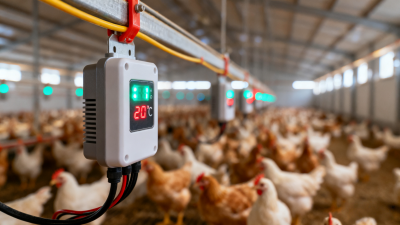
The first two weeks are critical for broilers, during which temperature, humidity and lighting must be closely controlled: maintain the temperature at 32–34°C, humidity between 60–70%, and lighting for 23 hours per day. You may adopt automatic brooding systems with integrated temperature, heating and ventilation control to steadily manage the rearing environment, as a solid brooding phase will simplify subsequent production work.
6. Feed and Nutrition Management
Broilers grow rapidly and require matching nutrition, so staged feeding schedules should be adopted: starter feed for 0–14 days, grower feed for 15–28 days, and finisher feed from day 29 onwards. Automatic feeding systems enable accurate feed dosage to cut waste, while clean and fresh drinking water must always be supplied, as contaminated or inadequate water causes diarrhea and stunted growth.
7. Keep Biosecurity and Disinfection in Place
Disease prevention is the top priority, and you should follow these key rules: enforce strict entry control for personnel and vehicles, conduct regular disinfection of chicken houses and equipment, stick to a proper vaccination schedule, and clean manure and wastewater in a timely manner.
Guangxing’s intelligent disinfection system provides automatic spraying and air purification, ensuring a safe and hygienic environment.
8. Observe and Record Daily
Monitor your flock daily — check if they are eating well, moving actively, or showing signs of illness.
Using smart monitoring systems like Guangxing’s IoT-based management platform, you can track temperature, humidity, feed, and water usage in real time — all from your smartphone.
9. Plan Marketing and Sales in Advance
When broilers reach 2–2.5 kg, they’re ready for market.
Contact buyers early — traders, slaughterhouses, or wholesale markets — to ensure smooth sales.
If possible, build your own brand or run pre-sale campaigns to increase profits.
10. Review and Improve After Each Batch
To boost production performance, maintain detailed records and carry out analysis after each batch, including survival rate and feed conversion ratio (FCR), feed, water and electricity expenses, disease control outcomes, as well as profit and sales data, which will help improve efficiency and profitability for your next production cycle.
Conclusion
Broiler farming isn’t just “raise and wait for profit” — it’s a systematic process.From house design and equipment selection to feeding management and disease prevention, every step affects your bottom line.With Guangxing Poultry Equipment Group’s fully automated farming equipment and digital management systems, you can easily build ahigh-efficiency, labor-saving, healthy, and sustainable modern broiler farm.



