


The poultry industry in the Philippines is growing rapidly. Rising egg consumption, increasing chicken meat demand, and the expansion of commercial farms are pushing more poultry businesses to modernize their operations.
But many farm owners still face the same problems:
Labor costs keep increasing
Manual feeding wastes time
High mortality affects profits
Hot and humid weather causes disease outbreaks
Poor ventilation reduces production
Imported equipment is expensive and difficult to maintain
Some local suppliers cannot support large-scale automation
As a result, many poultry investors are now searching for reliable poultry equipment manufacturers that can provide:
Automated feeding systems
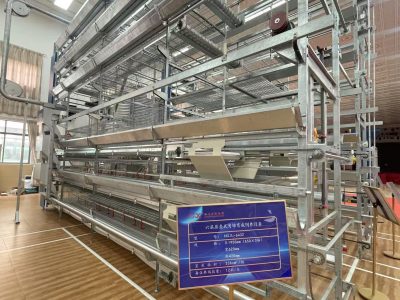
Layer cage systems
Broiler equipment
Ventilation and cooling systems
Egg collection systems
Manure removal systems
Full poultry farm design solutions
If you are planning to build or upgrade a poultry farm in the Philippines, this guide will help you compare the top poultry equipment manufacturers in 2026 and choose the right supplier for your farm size and budget.
Why Choosing the Right Poultry Equipment Manufacturer Matters
Many farmers focus only on equipment price.
But in reality, the wrong equipment supplier can create much bigger problems later:
Common Problems Poultry Farmers Face
1. Poor Equipment Quality
Low-quality cages rust quickly in tropical climates.
Cheap feeding systems often break down after a short period, increasing maintenance costs.
2. Weak Ventilation Design
The Philippines has a hot and humid climate.
Without proper tunnel ventilation and cooling systems, poultry houses can suffer from:
Heat stress
Lower egg production
Higher feed conversion ratio
Increased mortality
3. Lack of Technical Support
Some suppliers only sell products but cannot provide:
Farm layout design
Installation guidance
Environmental control planning
After-sales support
This becomes a major issue for medium and large poultry farms.
4. High Labor Dependency
Traditional poultry farming relies heavily on manual labor.
Modern poultry farms now prefer automation because it helps:
Reduce labor costs
Improve feeding efficiency
Increase biosecurity
Reduce egg breakage
Improve production consistency
How We Selected These Poultry Equipment Manufacturers
This list is based on several important criteria:
Evaluation Factors
Product quality
Automation capability
Export experience
Farm project experience
Climate adaptability
Technical support
Pricing competitiveness
Customer reputation
Installation capability
Suitability for Philippine poultry farms
This article combines industry research, supplier capabilities, and real commercial poultry farming requirements.
Top 10 Poultry Equipment Manufacturers in Philippines (2026)
1. Guangzhou Guangxing Animal Husbandry Equipment Group
Guangzhou Guangxing Animal Husbandry Equipment Group
Guangzhou Guangxing has become one of the fastest-growing poultry equipment exporters serving Southeast Asia and African markets.
The company specializes in:
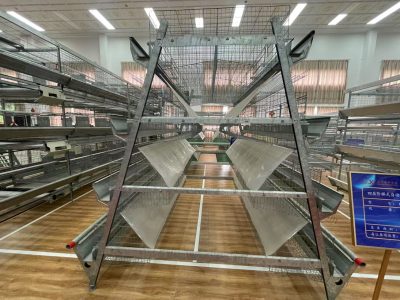
Automatic layer cage systems
Broiler farming systems
Feeding systems
Egg collection systems
Manure removal systems
Climate control systems
Poultry farm turnkey projects
Why Many Philippine Farms Choose Guangxing
One major advantage is cost-performance.
Compared with many local suppliers, Guangxing offers:
Higher automation levels
Lower overall project cost
Better scalability for large farms
Their systems are especially suitable for:
10,000–100,000 bird farms
Commercial egg production
Medium and large broiler projects
The company also provides customized poultry house designs based on tropical climate conditions.
Best For
Commercial poultry farms
Investors building automated layer farms
Farms upgrading from manual systems
2. Big Dutchman
Big Dutchman is one of the most recognized global poultry equipment brands.
The company is known for:
Premium automation systems
Advanced climate control
Smart poultry management technologies
Their systems are widely used in industrial-scale poultry projects.
Advantages
High automation
Excellent engineering quality
Advanced environmental control
Limitations
Very high project cost
Expensive spare parts
Best For
Large industrial poultry corporations
3. Chore-Time
Chore-Time is an American poultry equipment manufacturer known for durable feeding and ventilation systems.
The company offers:
Feeding systems
Drinking systems
Ventilation products
Broiler production equipment
Strengths
Reliable engineering
Strong feeding systems
Good ventilation technology
Weaknesses
Higher import costs in Southeast Asia
4. FACCO
FACCO is an Italian poultry equipment manufacturer with strong expertise in cage systems.
Their products are known for:
Automated layer cages
Egg collection systems
Advanced poultry housing solutions
Best For
High-capacity egg farms
5. TEXHA
TEXHA focuses heavily on environmental control systems for poultry farms.
Their products include:
Ventilation systems
Cooling systems
Feeding equipment
Layer cage systems
Major Advantage
Excellent environmental engineering for hot climates.
6. Hightop Poultry Equipment
Hightop is a well-known Chinese poultry equipment manufacturer serving developing markets.
The company provides:
Layer cage systems
Broiler systems
Automatic feeding solutions
Best For
Budget-conscious farms
7. SKA Poultry Equipment
SKA mainly focuses on poultry cages and automatic farming systems.
Their systems are commonly exported to Asia and Africa.
Strengths
Competitive pricing
Simple operation
Suitable for medium-sized farms
8. Zucami
Zucami is a Spanish poultry equipment company known for high-end poultry engineering.
Advantages
Modern automation
High-quality ventilation systems
Smart poultry farm integration
Limitation
Higher investment cost.
9. Vencomatic Group
Vencomatic specializes in egg production technology.
Their systems focus on:
Egg handling
Egg collection
Layer housing systems
Best For
Premium commercial egg farms
10. Local Philippine Poultry Equipment Suppliers
Many local suppliers in the Philippines provide:
Poultry cages
Feeders
Drinkers
Ventilation accessories
Advantages of Local Suppliers
Faster local delivery
Easier communication
Lower shipping costs
Limitations
Many local suppliers still depend on imported components and may struggle with:
Large-scale automation
Advanced environmental control
Full turnkey poultry farm engineering
For large commercial projects, many investors still prefer imported systems from China or Europe.
Philippines vs China Poultry Equipment Manufacturers
This is one of the biggest questions buyers ask today.
Local Philippine Suppliers
Pros
Faster communication
Easier maintenance
Local installation support
Cons
Limited automation
Higher production cost
Fewer large-scale project references
Chinese Poultry Equipment Manufacturers
Pros
Lower overall project cost
Strong automation capability
Large export experience
Better scalability
Cons
Longer shipping time
Need experienced international supplier
For many medium and large farms, Chinese suppliers now offer the best balance between cost and automation.

What Equipment Should a Modern Poultry Farm Have?
Modern poultry farms in the Philippines increasingly invest in:
Essential Poultry Equipment
Automatic Feeding System
Reduces labor and feed waste.
Nipple Drinking System
Improves water hygiene and reduces disease risk.
Automatic Manure Removal System
Improves farm cleanliness and biosecurity.
Egg Collection System
Reduces egg breakage and labor costs.
Tunnel Ventilation System
Very important in tropical climates.
Helps maintain stable temperature and airflow.
Cooling Pads and Exhaust Fans
Essential for reducing heat stress.
How Much Does Poultry Equipment Cost in Philippines?
Pricing depends on:
Farm size
Automation level
Cage type
Ventilation design
Imported vs local equipment
Estimated Cost Range
| Farm Size | Estimated Equipment Cost |
| 5,000 Layers | $15,000–$40,000 |
| 10,000 Layers | $35,000–$80,000 |
| 50,000 Layers | $150,000+ |
| Fully Automated Farm | Custom quotation |
Large automated farms usually achieve better long-term ROI due to labor savings and improved productivity.
How to Choose the Right Poultry Equipment Manufacturer
Before purchasing, ask suppliers these questions:
Important Questions
Do they have export experience?
Can they provide farm layout design?
Do they understand tropical climate ventilation?
Can they provide installation guidance?
Are spare parts easy to get?
Do they support automation upgrades later?
Do they have real project references?
Never choose based on price alone.
The cheapest equipment often becomes the most expensive later.
Final Thoughts
The Philippine poultry industry is moving toward automation faster than ever.
Farm owners are no longer simply buying cages.
They are investing in:
Productivity
Biosecurity
Labor reduction
Farm efficiency
Long-term profitability
Choosing the right poultry equipment manufacturer can directly affect your farm’s success for the next 10–15 years.
For small farms, local suppliers may be enough.
But for medium and large commercial poultry projects, many investors now prefer experienced international manufacturers that can provide full automation and turnkey farm solutions.
Companies like Guangxing are becoming increasingly popular because they combine:
Competitive pricing
Automation technology
Export experience
Tropical farm design expertise
into one complete solution.
Frequently Asked Questions (FAQ)
What is the best poultry equipment manufacturer in Philippines?
The answer depends on your farm size and automation needs. Large commercial farms often prefer international suppliers with strong automation experience.
Is Chinese poultry equipment good quality?
Yes. Many modern Chinese manufacturers now produce highly automated systems used across Asia, Africa, and the Middle East.
What equipment is most important for layer farms?
The most important systems usually include:
Layer cages
Feeding systems
Ventilation systems
Egg collection systems
Manure removal systems
How long does poultry equipment last?
High-quality galvanized poultry equipment can typically last 10–20 years with proper maintenance.
Is automation worth it for poultry farms?
In most commercial farms, yes.
Automation reduces labor costs, improves production efficiency, and increases long-term profitability.



