


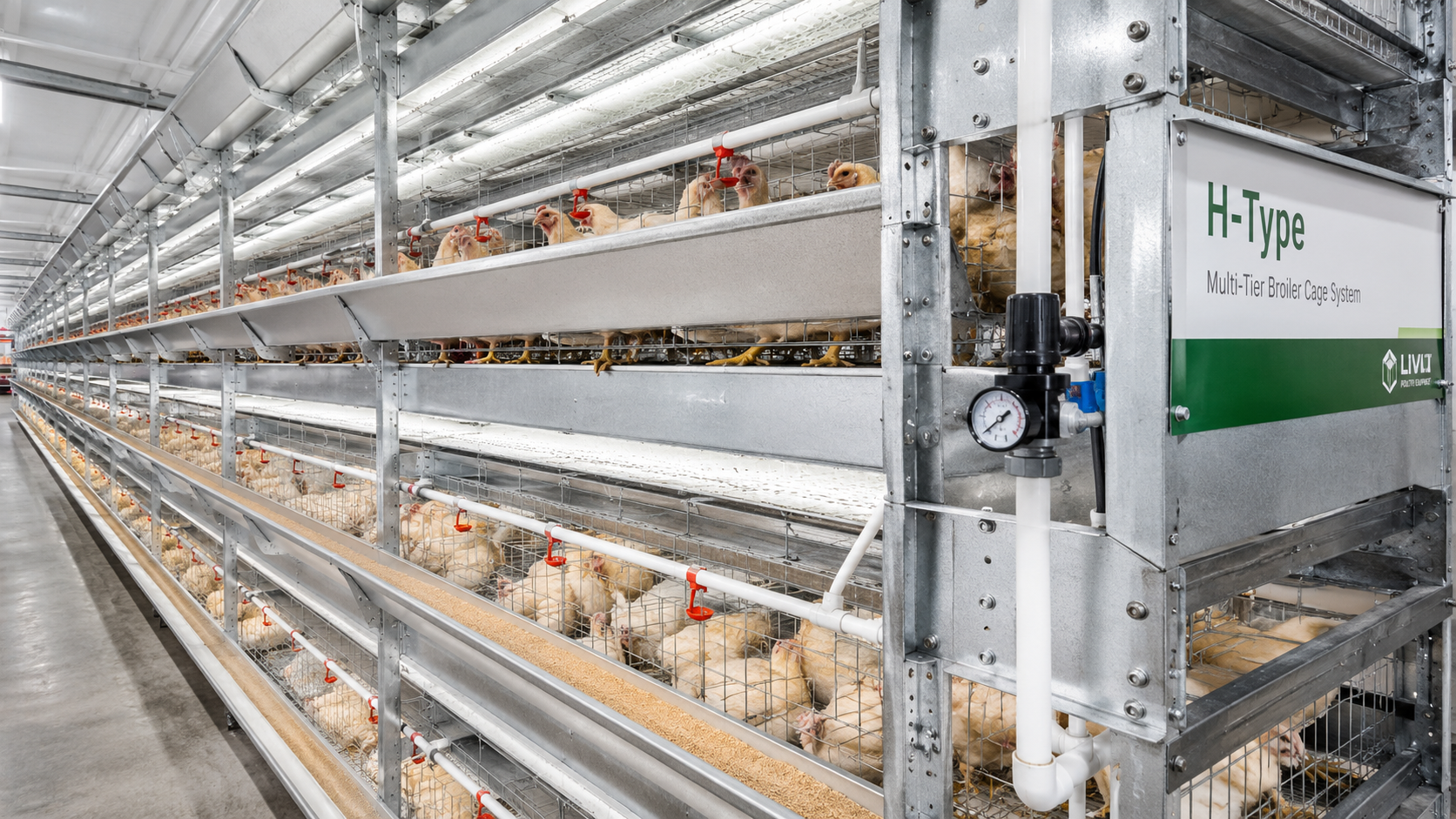
The livestock farming industry is currently experiencing accelerated large-scale development, with poultry inventory sizes continuing to expand. Breeding efficiency directly determines the actual profitability of farms. Among these factors, egg production stability, feed utilization efficiency, and labor costs are the three key determinants of farm profitability. Compared to traditional free-range farming, cage farming offers higher operational concentration: it optimizes coop space utilization, facilitates daily management, effectively isolates pollution sources, reduces cross-infection risks among poultry, and lowers disease transmission probabilities, making it the predominant model for modern large-scale poultry farming.
To genuinely enhance breeding efficiency, reliance solely on cage equipment is insufficient. Modern cage farming systems, including automated feeding, water supply, egg collection, manure removal, feed delivery, and environmental control systems, have become pivotal for large-scale farms to improve production efficiency, reduce labor intensity, and optimize management.

1. Automatic Feeding System
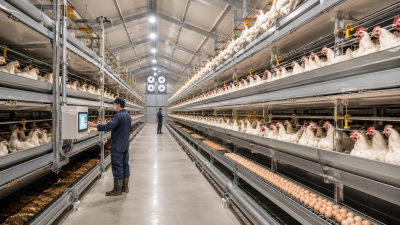
This system is designed for the entire lifecycle of laying hens, broilers, and chicks, allowing pre-set feeding schedules and individual feed quantities. The equipment delivers feed uniformly to all cage compartments according to predetermined programs, eliminating localized overfeeding or underfeeding. The system ensures precise and controlled feed distribution, effectively preventing waste caused by spillage or accumulation, thereby ensuring balanced feed intake and uniform growth performance in the flock.
The entire process is fully mechanized, eliminating the need for manual daily feeding and distribution of feed, significantly reducing labor requirements while steadily improving feed utilization efficiency and overall production capacity. This system enables precise adjustment of feed intake based on flock age and growth status, meeting the specific demands of different farming stages.
2. Automatic Water Supply System
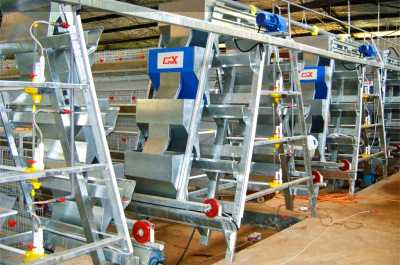
Water supply is crucial for the healthy growth of poultry. This system provides stable water availability around the clock, ensuring that the flock has access to clean water at all times. It eliminates the need for manual scheduled water replacement and replenishment procedures, significantly reducing labor intensity. Additionally, the enclosed water dispensing design effectively prevents contamination of the water source by dust, feces, or debris, thereby lowering the incidence of intestinal diseases in poultry.
When paired with corresponding monitoring equipment, it enables real-time monitoring of water quality and supply status, eliminating the need for frequent manual inspections, thereby ensuring safe drinking water for poultry and solidifying the foundation for healthy livestock farming.
3. Automatic Egg Collection System
It is categorized into three types: semi-automatic, fully automatic, and centralized egg collection systems, suitable for farms of varying scales. Utilizing conveyor belts to synchronize all cage positions, eggs are rapidly and steadily transported to the centralized egg collection point after production, significantly reducing manual picking and transportation steps throughout the process.
This approach significantly enhances egg collection efficiency, is well-suited for large-scale farming operations, effectively reduces egg damage caused by manual handling, improves the integrity rate of market-ready eggs, substantially lowers labor costs, and enables efficient and hassle-free egg harvesting.


4. Automatic Manure Removal System
The system primarily features two manure removal modes: belt-type and scraper-type, suitable for various poultry house layouts. It can automatically clean manure within the facility at scheduled intervals, promptly removing contaminants from cages to prevent manure accumulation, fermentation, bacterial proliferation, and the generation of harmful gases. This ensures a consistently dry and clean breeding environment, thereby reducing the transmission of respiratory and intestinal diseases at the source and lowering flock morbidity rates.
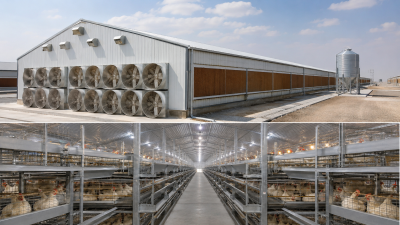
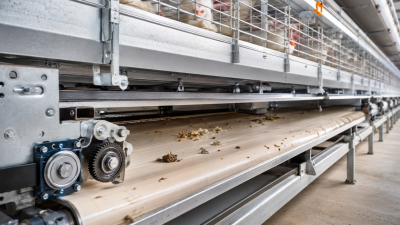
The entire manure removal process is fully mechanized, eliminating the need for manual entry into pens to clean or sweep manure, significantly reducing labor-intensive tasks while stabilizing and optimizing the breeding environment to promote stable growth and enhance production performance of poultry flocks.
5.Feed Delivery System
It features three conveying methods—spiral, chain, and belt—and can be flexibly selected according to the specifications of the poultry house and breeding scale. Its primary function is to automatically and steadily deliver feed from the feed tower and silo to various feeding points, completely replacing the labor-intensive tasks of manual handling and transportation of feed.
The feeding process is smooth, with no material blockages or spillage, significantly enhancing feed feeding efficiency. It can be precisely integrated with automated feeding systems to achieve fully mechanized and standardized feeding, ensuring timely and uniform feeding, thereby meeting the requirements of large-scale and batch farming operations.
6. The cage structure itself and its optimized design
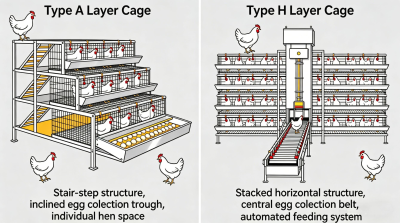
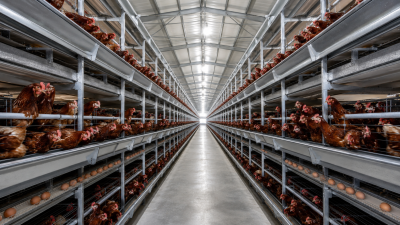
The mainstream systems consist of two types of cages: Type A and Type H, which serve as the fundamental infrastructure for automated poultry farming. By scientifically optimizing cage density, number of feeding layers, and cage inclination angle, these systems maximize space utilization in poultry houses and enhance production efficiency per unit area.
Furthermore, the rational structural design ensures optimal indoor ventilation and lighting, effectively preventing issues such as humidity, stuffiness, and uneven illumination within the cage. The cage system is compatible with various automated equipment installations and operational requirements, facilitating routine management tasks including feeding, manure removal, inspection, and disinfection, while balancing breeding density with animal comfort levels.
7. Environmental Control System
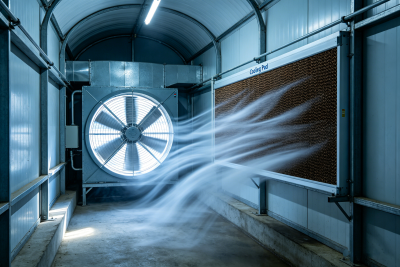
Focusing on optimizing the growth environment in poultry houses, this system precisely regulates four core parameters: temperature, humidity, ventilation, and lighting, to create an appropriate environment for growth and egg production tailored to the physiological characteristics of poultry. It can integrate with other automated systems such as feed feeding and water supply systems to meet the environmental requirements at different growth stages of the flock.
This approach effectively addresses growth retardation, declining egg production rates, and frequent disease outbreaks caused by environmental factors such as high temperatures, humidity, poor ventilation, and insufficient light exposure, thereby enhancing poultry health and production performance while reducing the workload associated with manual equipment operation, inspection, and maintenance, ultimately enabling standardized and hassle-free management.

Guangxing’s strengths lie in providing comprehensive one-stop solutions ranging from Type A/Type H cages to automated feeding, water supply, egg collection, manure removal, and environmental control systems. All systems are interconnected, enabling remote monitoring and intelligent management. The use of hot-dip galvanized steel and wear-resistant components ensures long-term stable operation. We offer installation guidance, operational training, after-sales maintenance, and remote technical support. Automated and optimized cage designs help farms reduce operating costs and improve production efficiency.
9 .Conclusion
Modern cage farming equipment serves as the core solution for enhancing poultry breeding efficiency. By integrating automated systems for feed feeding, water supply, egg collection, manure removal, feed delivery, and environmental control, coupled with optimized cage design, farms can achieve cost reduction, improved efficiency, intelligent management, and sustainable development.
As a leading manufacturer of livestock farming equipment, Guangzhou Guangxing Animal Husbandry Group offers comprehensive intelligent cage-raising solutions to help farms enhance efficiency, reduce costs, and embrace the future of smart agriculture.
For any inquiries, please contact WhatsApp: 00852-46090144 or [phone/WeChat]: 0086-17876668787



