


Are you looking for reliable poultry equipment manufacturers in USA? Are you struggling with high equipment costs, outdated systems, or low efficiency in your poultry farm?
You’re not alone. Today, poultry farmers around the world are facing serious challenges: rising labor costs, increasing disease risks, and the need to produce more with fewer resources. Traditional farming methods are no longer sustainable in a competitive global market.
That’s why more and more farmers are turning to modern automated poultry equipment to improve productivity, reduce labor, and maximize profits. In this guide, we’ll help you discover the best poultry equipment suppliers, compare global options, and choose the right partner for your farm.

Top 10 Poultry Equipment Manufacturers in USA
Here are some of the most recognized poultry equipment manufacturers in USA and global suppliers worth considering:
1. Chore-Time
Chore-Time is one of the most established poultry equipment companies in the United States. It specializes in feeding systems, drinkers, and automation solutions. The brand is known for reliability and is widely used in large-scale poultry farms.
2. Guangxing Poultry Equipment
Guangzhou Guangxing Animal Husbandry Equipment Group has been dedicated to the livestock farming equipment sector for over three decades, specializing in the research, development, manufacturing, installation, and technical services of equipment for laying hens, broilers, breeding chickens, chicks, and swine production. The company provides comprehensive solutions for domestic and international clients, covering farm planning, equipment configuration, installation and commissioning, as well as after-sales maintenance.
Guangxing Livestock integrates systems for automatic feeding, automatic drinking, automatic manure removal, automatic egg collection, intelligent ventilation, and environmental monitoring, helping livestock farms reduce manual labor requirements, enhance breeding efficiency, and mitigate production fluctuations caused by variations in human-operated procedures.


3. Valco Industries
Valco focuses on watering systems and ventilation equipment. It is well-known for its durable nipple drinkers and environmental control solutions.
4. Big Dutchman USA
A global leader in poultry automation, Big Dutchman offers feeding, housing, and climate systems. It is widely used in industrial-scale farms.
5. Cumberland Poultry
Cumberland provides feeding and drinking systems designed for efficiency and consistency in poultry production.
6. CTB Inc.
CTB offers integrated solutions including feed storage, grain systems, and poultry equipment, making it a comprehensive supplier.
7. Roxell USA
Roxell is known for innovative feeding systems and precision livestock technology, focusing on improving feed efficiency.
8. Jansen Poultry Equipment
Jansen provides advanced poultry housing systems and automation solutions, especially in European and international markets.
9. Ziggity Systems
Ziggity specializes in poultry watering systems and is widely used in broiler operations.
10. FACCO USA
FACCO focuses on cage systems and automated egg collection technologies, especially for layer farms.

Why Choose Poultry Equipment Manufacturers in the USA?
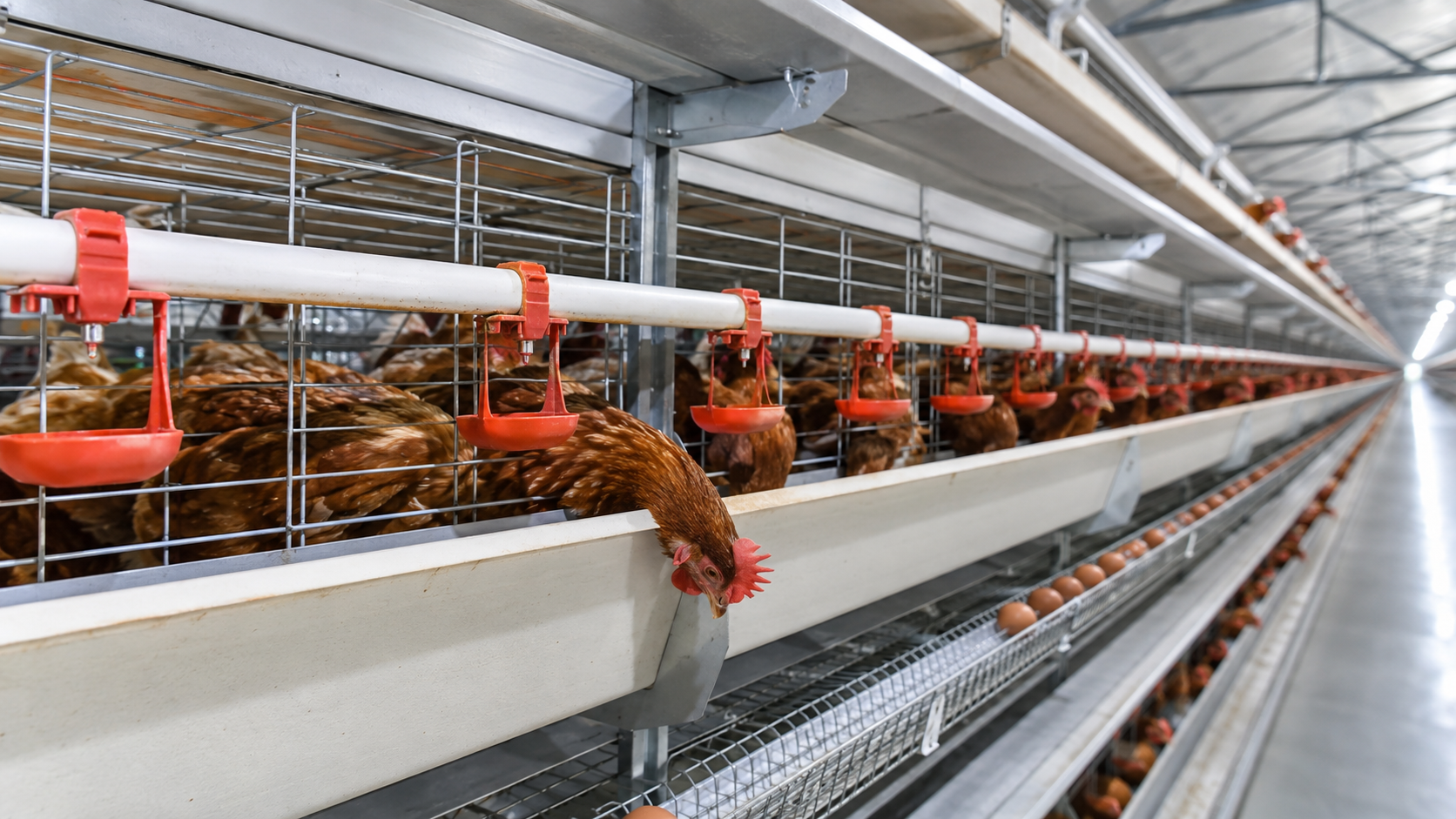
Data from the U.S. Department of Agriculture show that poultry industry sales in the United States reached $70.2 billion in 2024; this figure is well-suited for demonstrating the scale of the U.S. poultry industry market, rather than merely providing a general description of the visibility of U.S. manufacturers.Many buyers specifically search for poultry farming equipment suppliers in the USA because of their reputation for quality and reliability.
First, U.S. manufacturers are known for high production standards. Their equipment is typically durable, long-lasting, and designed to meet strict agricultural regulations. This gives farmers peace of mind when investing in large-scale operations.
Second, American companies often lead in automation technology. From automatic feeding systems to intelligent climate control, these innovations help reduce manual labor and improve farm efficiency.
Third, after-sales support is a major advantage. Local service teams, spare parts availability, and technical assistance ensure smooth operation over time.
However, there is one important consideration: cost. Poultry equipment made in the USA is often significantly more expensive than equipment from other regions. This is why many global buyers are now exploring alternative suppliers that offer similar quality at a more competitive price.
Key Types of Poultry Equipment You Should Know
Before choosing a supplier, it’s important to understand the essential types of poultry equipment:
Automatic Feeding System: Ensures consistent feed distribution, reduces waste, and minimizes labor costs.
Drinking System: Provides clean water through nipple drinkers, improving bird health and hygiene.
Layer Cage / Broiler Cage Systems: Optimize space utilization and improve productivity.
Climate Control System:The poultry extension materials from the University of Georgia clearly state that ventilation is a crucial component of poultry house environmental control and directly impacts the health and production performance of the flock. Maintains temperature, humidity, and airflow for optimal growth conditions.
Egg Collection System: Automates egg harvesting, reduces breakage, and improves efficiency.
Understanding these systems helps you make better purchasing decisions and avoid unnecessary costs.
USA vs China Poultry Equipment Manufacturers
When comparing global suppliers, many buyers evaluate USA vs China poultry equipment manufacturers based on the following factors:
| Factor | USA | China |
| Price | High | More Competitive |
| Technology | Advanced | Rapidly Improving |
| Delivery | Longer | Faster |
| Customization | Limited | Flexible |
While U.S. manufacturers offer excellent quality, Chinese suppliers are rapidly closing the gap in technology while maintaining strong advantages in pricing and delivery speed.
As a result, many farms worldwide are now choosing Chinese suppliers to achieve better return on investment (ROI).

How to Choose the Right Poultry Equipment Supplier
Choosing the right supplier is critical to your farm’s success. A wrong decision can cost thousands of dollars and reduce efficiency.
Here are the key factors to consider:
Farm size compatibility: Ensure the equipment matches your production scale
Automation level: Choose systems that reduce labor and improve efficiency
Budget: Balance upfront cost with long-term ROI
After-sales support: Reliable service and spare parts availability
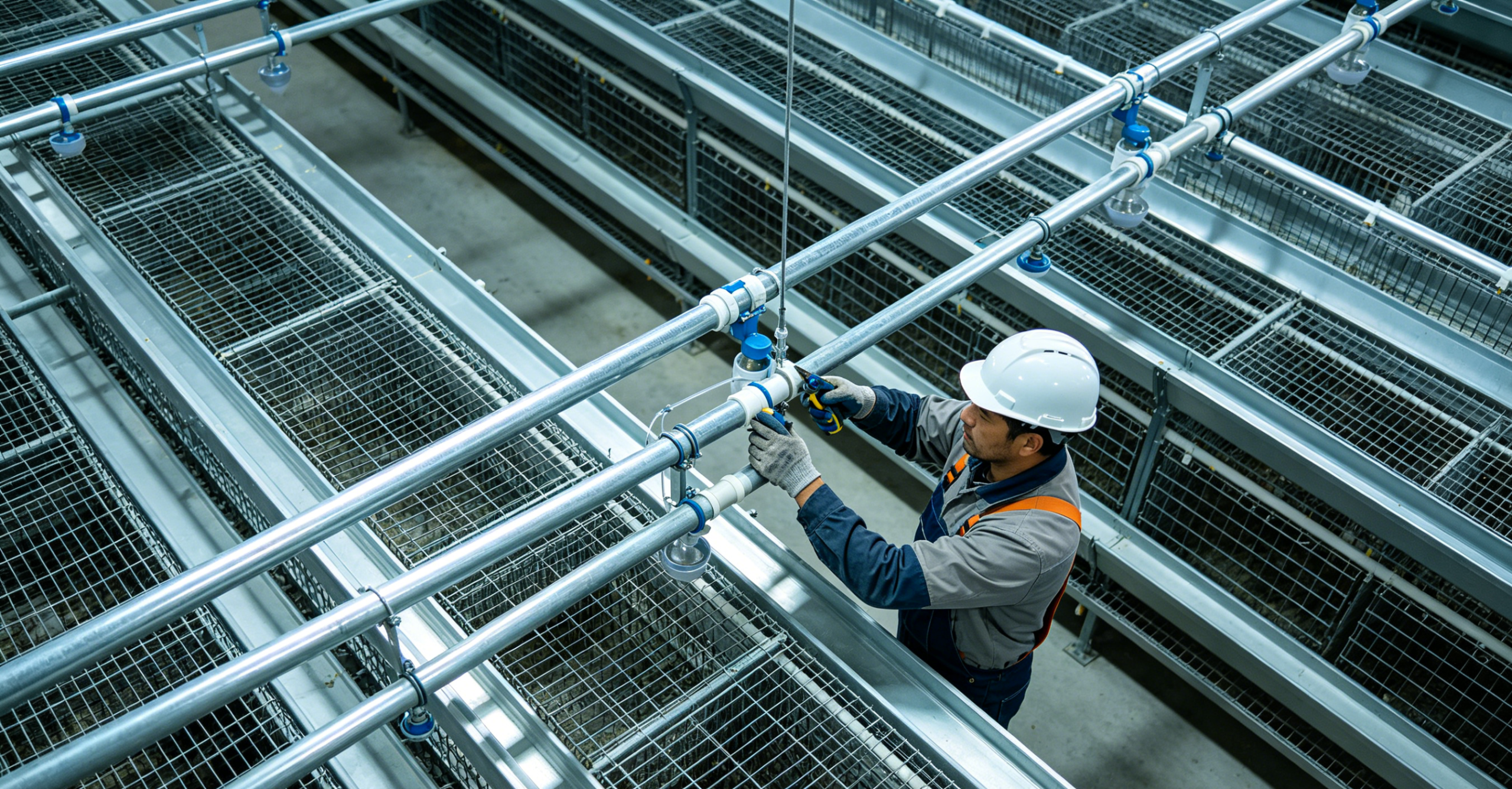
Installation & training: Essential for smooth operation
A good supplier should not only sell equipment but also provide complete solutions and long-term support.
Cost of Poultry Equipment in the USA
The cost of poultry equipment varies depending on the size and level of automation:
Small farm (1,000–5,000 birds): $10,000 – $50,000
Medium farm (10,000–20,000 birds): $50,000 – $150,000
Large automated farm (50,000+ birds): $200,000+
Due to these high costs, many investors are now looking for more affordable alternatives without compromising quality.
This is where global suppliers like Guangxing provide significant advantages.
Why More Farmers Are Choosing Turnkey Poultry Solutions
In today’s poultry farming industry, an increasing number of farmers prefer not to rely on piecemeal equipment sourced from multiple suppliers; instead, they opt for comprehensive turnkey solutions that include all necessary components.
Comprehensive turnkey service package: full-scale poultry farm planning and layout design, supply of complete automated equipment, on-site installation and commissioning, hands-on operational training, as well as long-term after-sales technical support.
Handling procurement independently is extremely cumbersome: it often leads to mismatched designs, equipment integration issues, and situations where installation problems cause mutual blame; when a malfunction occurs, it becomes difficult to identify the responsible party, which delays production and incurs additional costs. By delegating the entire project to a general contractor who assumes full responsibility and has only one point of contact, you can save both time and effort, keep the project implementation schedule under control, and significantly reduce the risk of encountering pitfalls.
Whether for novice farmers just entering the industry or large-scale farms operating on a commercial scale, this turnkey model offers significantly better cost-effectiveness and reliability, making it the natural choice of the mainstream.


Get a Free Poultry Farm Design (CTA)
If you are planning to start or upgrade your poultry farm, choosing the right equipment supplier is the first step to success.
Guangxing Animal Husbandry offers free customized professional design solutions for poultry farms, encompassing site survey, poultry house structural planning, layout of automated equipment, as well as waste treatment and ventilation system configuration. These solutions can be integrated with full turnkey projects, providing a one-stop implementation process—from drawings and equipment procurement to installation and technical training—thereby reducing operational risks. If you are interested, please contact us directly to obtain the free design drawings.
FAQ
What is the best poultry equipment manufacturer in the USA?
There is no single “best” manufacturer. Companies like Chore-Time and Guangzhou Guangxing are well-known, but the best choice depends on your farm size, budget, and automation needs.
How much does poultry equipment cost?
Costs vary widely. Small farms may spend $10,000, while large automated farms can exceed $200,000 depending on the equipment used.
Is Chinese poultry equipment reliable?
Yes. Many Chinese manufacturers now offer high-quality equipment, advanced automation, and global project experience, making them a strong alternative.
What equipment is needed for a poultry farm?
Essential equipment includes feeding systems, drinking systems, cages, ventilation systems, and egg collection systems.
How long does installation take?
Installation typically takes between 2 to 8 weeks depending on the project size and complexity.



