


Poultry farming is one of the most profitable agricultural ventures in the world today. Whether you want to start small as a family business or build a commercial-scale poultry farm, proper planning and management can bring you stable and impressive profits.
This guide will walk you step by step through everything you need to know to start your own chicken farming business — from planning to daily operations.
1. Define Your Farming Goals and Type
Before getting started, it’s important to decide what kind of poultry business you want to run:
Layer Farming
Focuses on egg production. It offers long-term and stable profits, ideal for those planning sustainable operations.
Broiler Farming
Focuses on meat production. The growth cycle is short (around 40–60 days), allowing quick turnover and faster returns, though it requires more intensive management.
Breeder Farming
Requires more technical knowledge and investment. It involves producing hatching eggs or day-old chicks for other farms.

2. Develop a Detailed Business Plan
A solid business plan helps you assess costs, risks, and profit potential. Your plan should include:
Farming Goals and Scale – Decide how many birds to start with. It’s best for beginners to start small and expand later.
Market Analysis – Research local demand and prices for chicken meat or eggs.
Cost Estimation – Include expenses for housing, equipment, feed, vaccines, electricity, and labor.
Profit Projection – Estimate your expected returns based on local market prices.
3. Choose the Right Location and Poultry House Design
Site Selection Tips
Choose a location with good ventilation and drainage.
Keep the farm away from residential areas to avoid odor and disease issues.
Ensure easy transportation access for feed supply and product delivery.
Make sure there is a clean and reliable water source.
Poultry House Design
Open Houses – Low-cost, suitable for small-scale farms.
Closed or Controlled Houses – Allow for better temperature and ventilation control, improving production efficiency.
Consider A-type or H-type layer cage systems, which save space and support automated management.

4. Purchase High-Quality Chicks
The quality of chicks determines your farm’s success.
Buy from reliable and certified hatcheries.
Check that chicks are active, healthy, and defect-free.
Beginners can start with disease-resistant breeds like Lohmann Brown layers or Cobb broilers
5. Prepare Feed and Nutrition Plans
Feed accounts for over 60% of total production costs. A proper feeding plan is crucial.
Starter Stage (0–4 weeks): Provide high-protein, high-energy feed.
Grower Stage (5–12 weeks): Balanced feed for strong bone and muscle development.
Laying or Finishing Stage: Adjust nutrition according to production goals — either egg laying or weight gain.
Partner with professional feed suppliers to ensure quality and consistency.
6. Disease Prevention and Biosecurity
Effective disease prevention is key to successful poultry farming.
Establish strict biosecurity measures and restrict farm entry to authorized personnel only.
Vaccinate against common poultry diseases such as Newcastle Disease, Infectious Bronchitis, and Gumboro.
Keep poultry houses dry, clean, and well-ventilated, and remove manure regularly.
Isolate sick birds immediately and consult a veterinarian if symptoms appear.
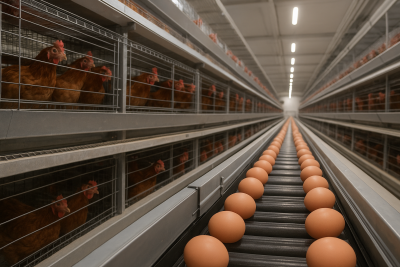
7. Modern Poultry Management with Automation
Modern poultry farming emphasizes efficiency and automation.
Using automated equipment can greatly improve productivity and reduce labor costs.
Recommended systems include:
Automatic Feeding Systems
Nipple Drinking Systems
Automatic Egg Collection Systems
Manure Removal Systems
These systems help reduce manual work, improve hygiene, and minimize disease spread — all of which increase farm efficiency.
8. Sales and Profit Recovery
Building reliable sales channels is the key to consistent profit.
Partner with wholesalers, wet markets, or food processing companies.
Sell directly to customers through e-commerce or your own brand to increase profit margins.
If possible, develop value-added products such as salted eggs, processed chicken meat, or ready-to-eat items.
9. Start Small and Scale Up Gradually
For beginners, it’s best to start small.
Gain experience in disease control, feed management, and market operations.
Once you are confident and profitable, you can expand your flock and invest in automated, large-scale systems for higher efficiency.

10. Conclusion
Starting a poultry business is not difficult — but long-term success requires:
Scientific Planning
Efficient Management
Reliable Sales Strategy
Continuous Learning and Improvement
Whether you are a rural entrepreneur or a new investor entering agriculture, chicken farming can become a steady and rewarding path to financial growth — if done right.
Guangxing Poultry Equipment provides complete poultry farming solutions, including layer and broiler cage systems, automatic feeding and drinking systems, egg collection, and manure removal solutions — helping new farmers start smart and grow fast.
📧 For more information or a customized poultry equipment solution, contact us at [email protected].



