


Running a layer farm sounds easy, right? Just feed the chickens, collect the eggs, and sell them.
But anyone who’s actually done it knows — it’s not that simple.
If you want your layer farm to run smoothly and make consistent profits, you need to plan carefully and manage scientifically.
Here’s a step-by-step guide based on real experience to help you run a successful egg layer farm.
1. Choose the Right Location and Build a Good Foundation
The first thing to get right is your farm’s location.
Pick a place that’s dry, well-ventilated, and has good drainage. Avoid areas too close to villages or residential zones — it helps reduce odor issues and the risk of spreading disease.
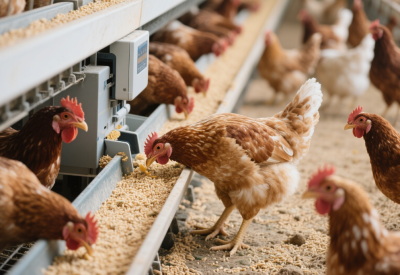
If you’re planning a large-scale layer farm, consider automated poultry equipment — such as automatic feeding, drinking, manure removal, and egg collection systems.
These not only save labor but also keep the environment cleaner and healthier for your chickens.

2. Start with Quality Chicks — Win from the Beginning
Healthy chicks are the foundation of a productive egg farm.
Always buy from reputable hatcheries or breeders — don’t just go for the cheapest source.
After arrival, keep new chicks in quarantine for a few days to observe their health before mixing them with the main flock.
During the brooding stage, pay close attention to temperature, humidity, and lighting — small mistakes early on can affect the entire flock’s productivity later.
3. Feed Scientifically — Nutrition Matters
Feed quality directly impacts egg production and shell quality.
A balanced feed with the right levels of protein, vitamins, and minerals is essential.
Many modern farms use automatic feeding systems to make sure every bird gets enough feed evenly and efficiently.
Clean water is just as important — using automatic drinking systems helps reduce contamination and labor costs.
4. Focus on Disease Prevention
Prevention is always better than cure.
Regular disinfection, vaccination, and good ventilation are the basics of poultry health management.
Always isolate new birds before introducing them to your existing flock.
If you notice signs like loss of appetite, lethargy, or diarrhea, act quickly and consult a vet. Early detection can save the whole flock.

5. Manage Lighting Wisely
Lighting has a big influence on egg production.
Generally, 14 to 16 hours of light per day is ideal for layers.
Nowadays, many farms use automatic LED lighting systems with timers — they’re energy-saving and help keep egg production stable throughout the year.
6. Keep Good Records and Use Data
Poultry farming isn’t just about instincts — it’s about data management.
Record daily feed usage, egg production, mortality, and medication details.
Over time, you’ll start seeing trends that help you improve performance.
Some farms even use smart farm monitoring systems to automatically collect data and send alerts when something abnormal happens. That’s modern farming at its best.
7. Have a Smart Marketing Strategy
Producing eggs is only half the job — selling them well is the other half.
Besides working with wholesalers or supermarkets, try building your own brand.
Many successful farms market their eggs as “green,” “antibiotic-free,” or “farm fresh.”
You can even promote your farm on social media or short video platforms — showing the daily life of your chickens builds trust and attracts customers.
8. Think Long-Term — Manage for Sustainability
Running a poultry farm isn’t a one-time project — it’s a long-term business.
Keep upgrading your equipment, train your workers, and focus on automation and efficiency.
The key to long-term success is to reduce costs, improve productivity, and maintain quality.
✅ Conclusion
At the end of the day, running a profitable layer farm comes down to three things:
👉 Healthy chickens, smart management, and efficient marketing.
If you keep learning and improving, your layer farm will grow stronger every year.
And if you’re ready to scale up, Guangxing Poultry Equipment can help you with a full set of automated layer farming systems — from feeding and drinking to egg collection, ventilation, and manure cleaning — all designed to make your farm more efficient and profitable.
📩 For more information, contact us at: [email protected]



