



If you are planning to enter the poultry industry, one of the most important steps is creating a comprehensive chicken farming business plan. A clear and realistic plan not only helps you secure funding and structure your farm operations, but also increases your chances of long-term success. Whether you’re a beginner or an investor exploring poultry production, this guide will walk you through everything you need to build a sustainable and profitable chicken farm.
In this detailed article, we cover essential components of a chicken farming business plan, including market analysis, farm design, equipment selection, cost estimation, management practices, and profitability evaluation. This guide is specially prepared for farmers, agricultural investors, and entrepreneurs looking to establish or expand their poultry operations.

1. Why You Need a Chicken Farming Business Plan
A chicken farming business plan is the blueprint for your poultry business. It outlines your goals, strategies, operations, equipment investment, and financial projections.
Key benefits:
Clarifies your production model (broilers, layers, breeders, free-range, etc.)
Helps you budget and secure loans or investment
Ensures efficient resource allocation
Identifies risks and management strategies
Improves operational organization and productivity
An effective plan also helps you avoid common problems such as poor housing, disease outbreaks, low productivity, and mismanagement of resources.
2. Understanding the Chicken Farming Market
Before starting your poultry farm, you must analyze the local and global market environment.
Market demand
Chicken meat and eggs remain among the world’s most consumed agricultural products. Rising population, urbanization, and changing dietary habits continue to boost demand.
Consumer trends
Demand for quality and safe poultry products
Growing preference for free-range or organic chicken
Increasing interest in automated and bio-secure farming
Competitor analysis
Identify:
Local poultry farms
Their production capacity
Strengths and weaknesses
Market pricing
This will help you find selling opportunities and position your farm competitively.
3. Choosing the Right Poultry Farming Model
Your chicken farming business plan must clearly define what type of poultry operation you want to run.
Common models:
Broiler chicken farming – fast-growing chickens for meat production
Layer chicken farming – hens raised for egg production
Breeder farming – producing fertile eggs
Free-range or organic farming
Integrated poultry farming – combining production, processing, and sales
Each farming model requires different housing systems, equipment, management, and investment size. Clearly identify which type aligns with your resources and goals.

4. Selecting a Suitable Farm Location
A strategic location is essential for farm success.
Ideal location characteristics:
Far from residential areas but accessible to roads
Availability of clean water supply
Adequate ventilation and drainage
Availability of labor and electricity
Environment suitable for biosecurity
Avoid contaminated zones, flood-prone areas, and regions with extreme climate variability.
5. Designing Your Chicken Farm Layout
A well-designed layout improves production performance, reduces mortality, and enhances management efficiency.
Basic farm layout includes:
Chicken houses or cages
Equipment rooms
Feed storage
Office or control room
Biosecurity zone (disinfection system)
Waste management area
If your farm is designed for large-scale production, consider:
Automatic feeding systems
Ventilation and climate control
Automatic manure removal
Nipple drinking system
Smart environmental monitoring equipment
At Guangxing Group, we provide full project solutions including farm design, equipment supply, engineering guidance, and after-sales support—ideal for new farmers.
6. Choosing the Right Poultry Equipment
The equipment selected directly affects chicken health, production performance, and labor efficiency.
Essential equipment includes:
Chicken cages (broiler cages, layer cages, pullet cages)
Automatic feeding machines
Automatic drinking systems
Ventilation fans and cooling pads
Automatic manure removal system
Environmental control panel
Lighting system
Disinfection and biosecurity equipment
Why automated systems are recommended:
Reduces labor cost
Improves feed conversion ratio
Provides stable environment
Lowers disease risk
Boosts overall productivity
Guangxing Poultry Equipment supplies full sets of automated systems optimized for commercial chicken farms.
7. Calculating Investment and Operating Costs
A successful business plan must include a realistic financial overview.
Initial investment:
Land purchase or lease
Chicken houses or cage systems
Feeding and drinking equipment
Ventilation & environmental control
Brooding equipment
Power and water systems
First batch of chicks
Investment varies widely depending on scale and automation level.
Operational costs:
Feed (largest cost, ~70%)
Labor
Electricity
Water
Vaccines and medication
Repairs and maintenance
Prepare a monthly and yearly budget to avoid financial risks.
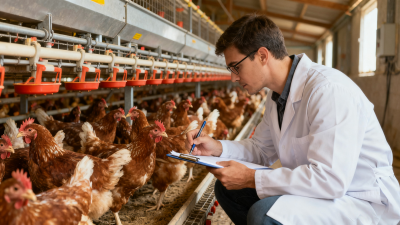
8. Production and Management Strategy
Efficient management ensures healthy birds and high productivity.
Key management components:
Brooding management – temperature, humidity, bedding, starter feed
Feeding program – balanced nutrition for each growth phase
Vaccination schedule
Biosecurity measures
Record keeping – feed intake, mortality, growth rate, egg production
Environmental control – ventilation, lighting, ammonia levels
Using smart monitoring devices can greatly improve management accuracy.
9. Marketing and Sales Strategy
Your business plan must also include a clear strategy on how you will sell your products.
Selling channels:
Local markets
Wholesalers
Restaurants and hotels
Supermarkets
Online platforms
Contract farming with integrators
Value-added opportunities:
Branded eggs
Frozen or processed chicken
Live bird sales
Manure fertilizer sales
Developing a strong branding strategy helps increase customer loyalty.
10. Risk Assessment and Control Measures
Every poultry farm faces risks. Your plan should include preventive measures.
Common risks:
Disease outbreaks
Feed price fluctuations
Extreme climate conditions
Poor management
Market price drops
Solutions:
Strict biosecurity
Backup power systems
Stable supplier relationships
Modern ventilation and climate control
Regular staff training
11. Profitability Analysis
A chicken farm can be highly profitable if managed correctly.
Factors affecting profit:
Production scale
Feed conversion efficiency
Mortality rate
Egg production rate (for layer farms)
Market price
Automation level
Farmers using automatic cages and feeding/drinking systems often achieve:
Higher survival rate
Faster growth
Lower labor costs
Better long-term profit
12. Partner With Guangxing Poultry Equipment for a Successful Farm
Setting up a poultry farm is a large investment, and choosing the right equipment supplier is crucial. Guangxing Poultry Equipment provides:
Farm design and consultation
Automated cage systems (broiler, layer, pullet)
Feeding, drinking, ventilation, and manure systems
Smart environmental control solutions
On-site installation and training
Global delivery and long-term support
We help farmers build modern, productive, and profitable poultry farms across 80+ countries.
Conclusion
A well-structured chicken farming business plan is the foundation of a successful poultry business. It guides your decisions, helps you manage risks, and ensures profitable operations. By analyzing the market, designing an efficient farm layout, choosing the right equipment, and implementing smart management practices, you can establish a strong and sustainable poultry enterprise.
If you need expert guidance or world-class poultry farming equipment, Guangxing Group is ready to support your project from planning to full operation.


