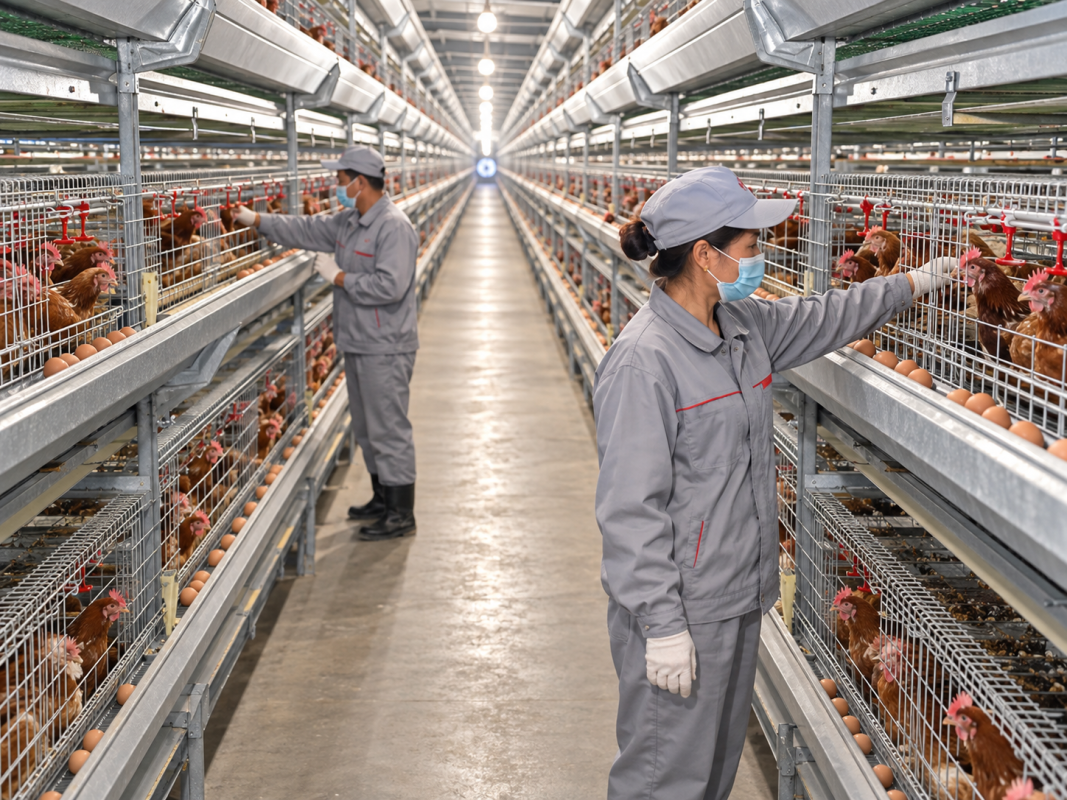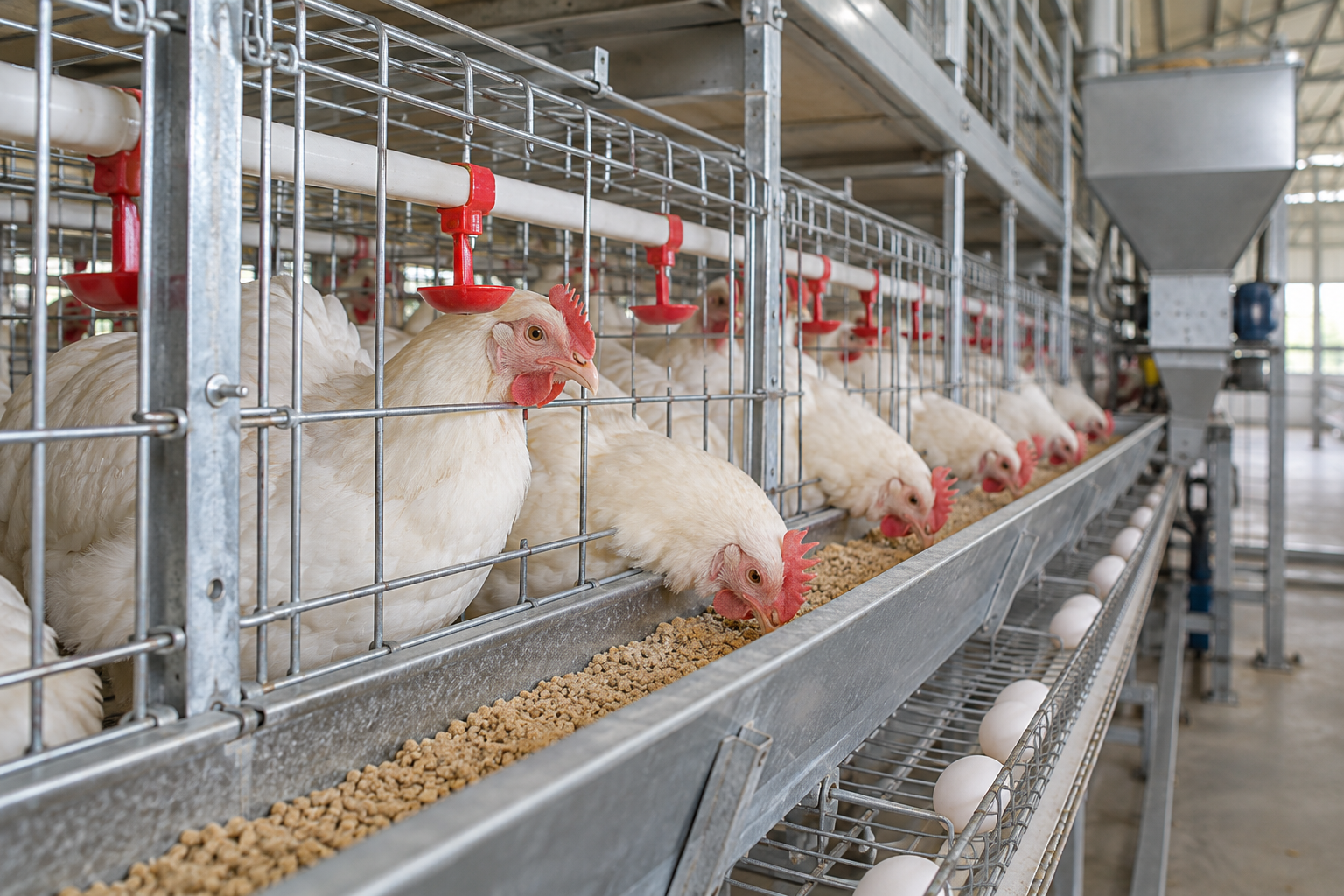
A cage quotation can look affordable until you discover that the feed silo, ventilation equipment and installation work are priced separately. Another proposal may include almost everything, but give little explanation of how the systems fit your poultry house.
That makes comparisons difficult.
Choosing automatic poultry farming equipment starts with the farm you plan to operate: the birds, the building, the climate and the people who will manage it. The aim is to put together a workable system and understand what the investment includes.
This guide explains where to start, which equipment deserves attention and what to send a supplier before requesting a quotation.

Start with the Birds and the Building
A commercial layer farm and a broiler farm have different daily workflows. Layers need an egg collection route. Broilers need equipment suited to their growing cycle and planned housing method.
Before discussing models, establish:
- Bird type and planned capacity per house.
- House length, width, usable height and column positions.
- Whether the project is a new build or an existing-house upgrade.
- Local climate, water supply and available electricity.
- The housing system permitted in your market and required by your customers.
For an existing building, send photographs as well as dimensions. Doors, roof clearance and structural columns may affect the layout.
For a new house, review the building and equipment drawings together before construction. It is easier to adjust a drawing than a finished foundation.
Which Systems Belong in Your Equipment Plan?
Use the table below as a starting point for discussion. The final design needs to suit your production method and site.
| System | Layer project | Broiler project | What to clarify |
|---|---|---|---|
| Feed storage and delivery | Supply to cage troughs or the chosen housing system | Supply to feeding equipment appropriate to the housing method | Silo, transport line and in-house equipment scope |
| Drinking system | Access throughout the house | Access suited to bird age and housing | Water treatment, pressure regulation and flushing |
| Ventilation and climate control | Planned around the house and flock | Planned around the house and growing cycle | Fan selection, air inlets, cooling and controls |
| Manure or litter handling | Removal route for the chosen system | Plan depends on cage or floor housing | Collection, transfer and destination |
| Egg collection | Part of the egg-production workflow | Not required for meat production | Transfer points and egg-room layout |
| Lighting and alarms | Appropriate operating programme | Appropriate growing programme | Controls, fault alerts and backup arrangements |
Feeding: Check the Route from Silo to Bird
“Automatic feeding included” can mean different things in different quotations.
Ask whether the offer covers storage, feed transport into the house, distribution equipment and controls. For a cage project, clarify the feeding arrangement for each row and tier. For floor-raised broilers, discuss the feeding-line layout and access during the growing cycle.
Also ask how staff will inspect and service the equipment. Automation should simplify routine work without making a blocked line difficult to reach.
Drinking: Include the Water Supply
A nipple drinking line is only part of the proposal.
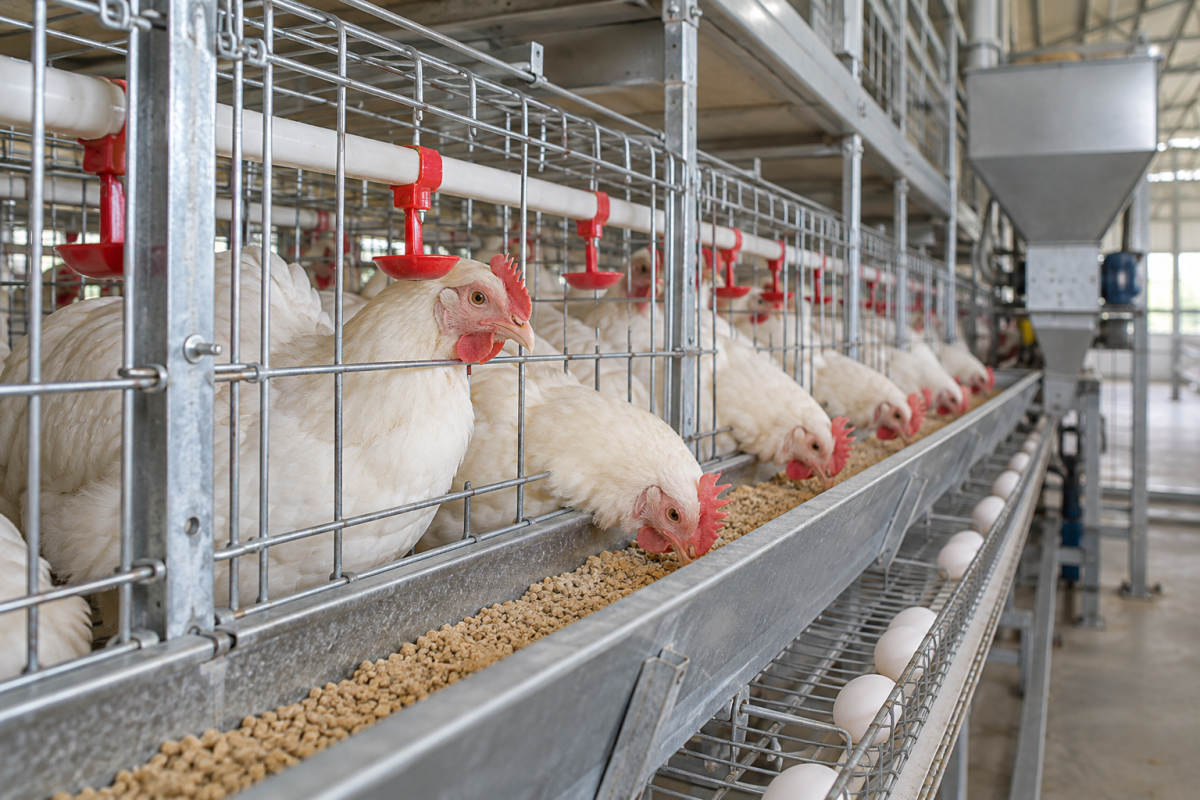
Ask the supplier to review the available water source, pressure regulation, filtration, line flushing and any planned dosing equipment. Confirm which items are included and which must be supplied locally.
Tell the supplier if water availability is unreliable. That belongs in the project brief, rather than becoming an installation-day surprise.
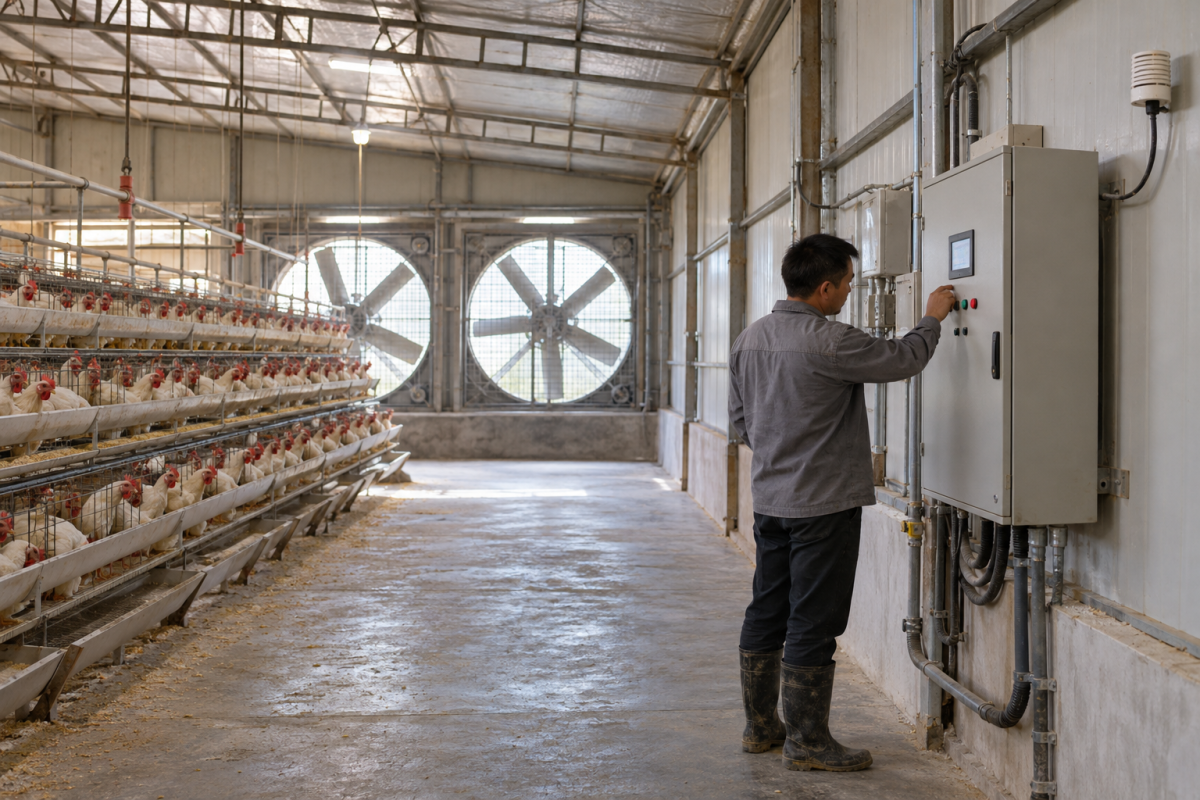
Ventilation: Review It with the House Layout
A list of fans and cooling pads is not enough to assess a ventilation proposal.
Ask what conditions the design is intended to handle and how the equipment fits the building. Include the house dimensions, planned flock and local weather conditions in that discussion.
Guangxing’s poultry house environmental control system offers automatic and manual control modes, with monitoring and alarm functions described on the product page. Confirm the sensors, controlled equipment and communication features included in your configuration.
Before ordering, ask who responds to an alarm and what happens during a power failure.
Manure Removal: Follow the Material Beyond the House
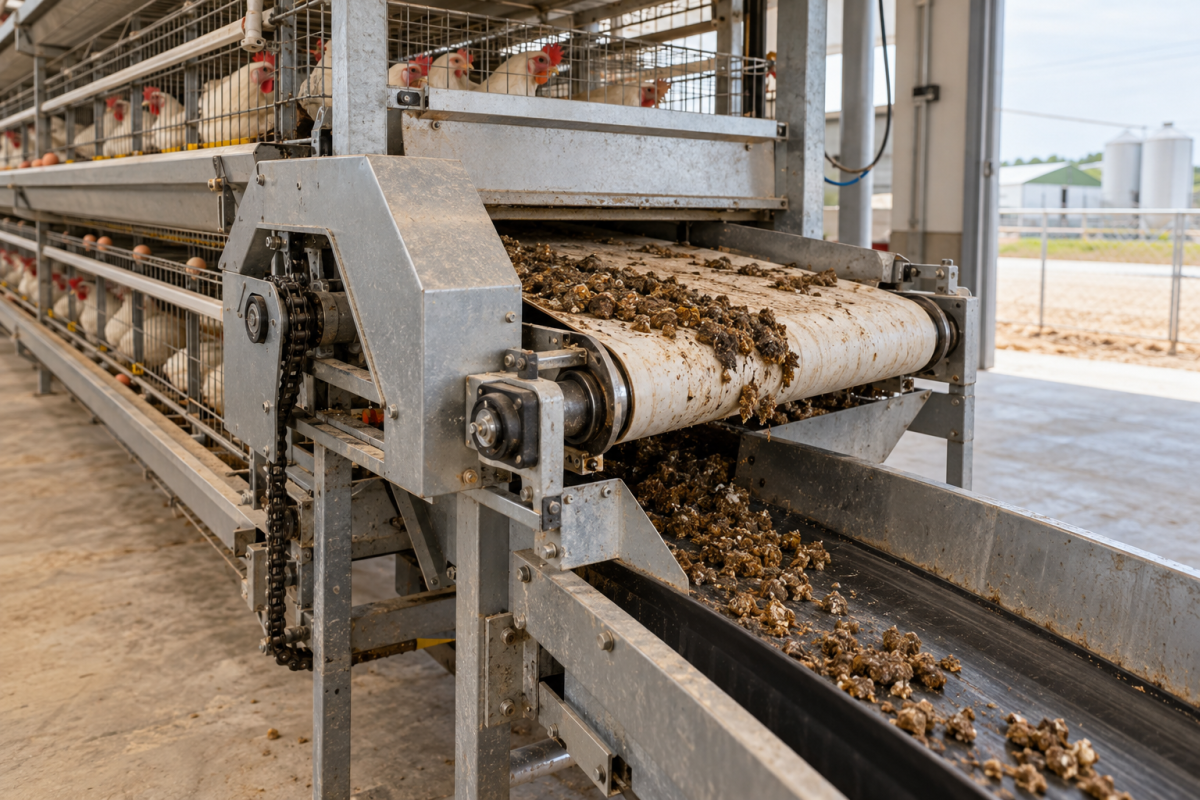
A manure belt can move material out of a cage row, but the project still needs a destination for it.
Ask where manure leaves the house, how it reaches the storage or treatment area, and which conveyors or transfer equipment are included. Keep access for cleaning and maintenance in the layout.
If composting or fermentation equipment is planned, request a separate assessment of material volume and operating requirements. Manure removal and manure treatment are related tasks, but they are not interchangeable.
Egg Collection: Plan the Receiving End
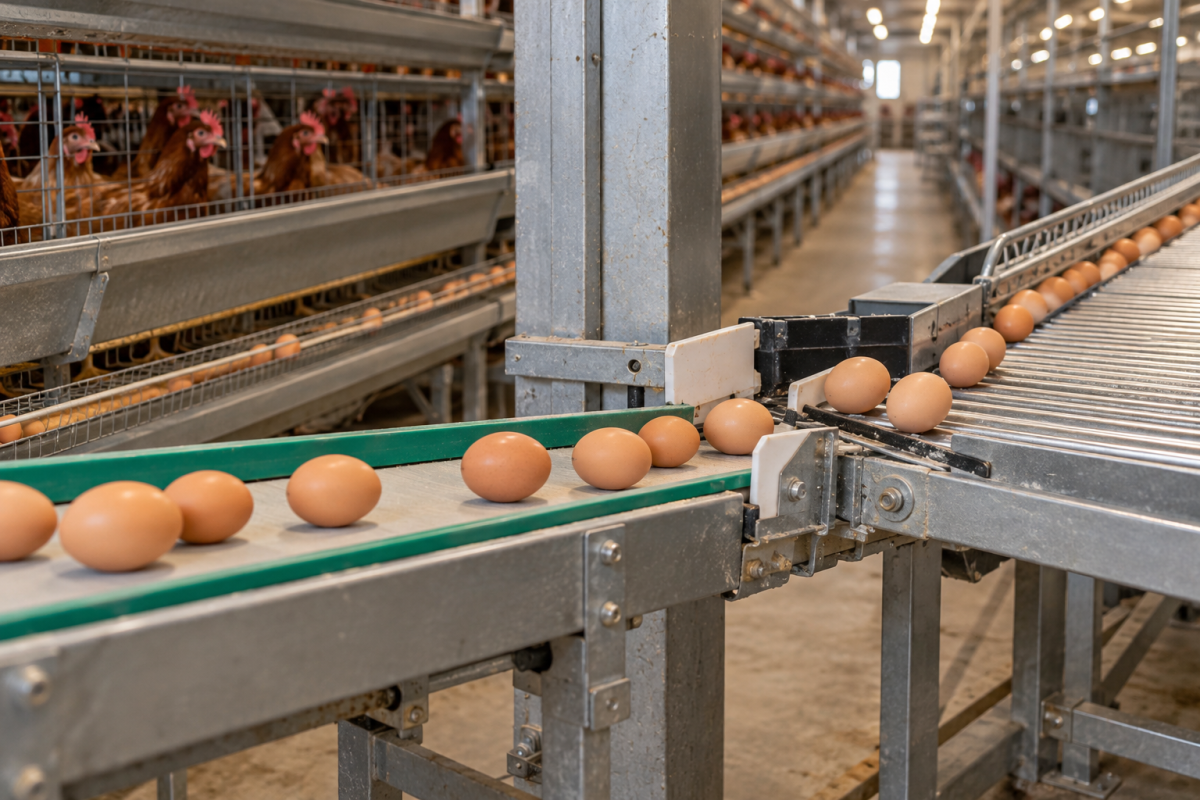
For a layer farm, review the complete journey from cage to egg room.
Guangxing’s automatic egg collection system includes standard and central collection configurations. Discuss the house arrangement, conveyor route and receiving area before choosing the layout.
Collection, grading and packing also need separate consideration. Ask where each operation happens and whether the downstream equipment is part of the offer.
What Should You Automate First?
When the budget is limited, identify the current bottleneck before buying more equipment.
Is feeding taking too much staff time? Does manual egg handling slow the daily workflow? Is the house difficult to manage during hot weather? Does manure removal depend on labour that is hard to recruit?
For a new build, establish the basic operating systems and backup arrangements first. Discuss whether later additions need space, electrical capacity or conveyor connections reserved now.
For an existing farm, ask for an upgrade proposal tied to the actual problem. Replacing everything may not be necessary.
Send your bird type, capacity and house dimensions to Guangxing to discuss a suitable equipment configuration.
A Layer-House Planning Example
Consider a proposed commercial layer house where the buyer wants automatic feeding, drinking, egg collection and manure removal.
Guangxing’s H-type automatic layer cage system brings these functions together. Before selecting rows and tiers, the planning discussion should also cover aisle access, roof clearance, ventilation layout and the routes to the egg room and manure area.
This is a planning example, not a completed-project case study. A bird-capacity target alone cannot determine the final layout.
When comparing A-type stepped cages and H-type tiered cages, request drawings showing the whole house. That makes the differences easier to assess than a price per cage section.
Compare the Supply Scope Before the Price
The cost of automatic poultry farming equipment depends on configuration, house layout, automation level and delivery responsibilities.
Request an itemized offer covering:
- Equipment models, quantities and specifications.
- Electrical cabinets, wiring and sensors.
- Installation guidance, commissioning and staff training.
- Freight, import responsibilities and local work.
- Warranty terms, spare parts and service arrangements.
Separate equipment costs from building works, utilities and operating capital. This helps you compare proposals on the same basis and avoid overlooking essential project expenses.
Frequently Asked Questions
Can an existing poultry house be automated?
It may be possible. The supplier needs to review dimensions, structure, existing equipment and utilities before recommending an upgrade.
Is a fully automatic system always the best choice?
The appropriate level depends on the farm’s workflow, labour availability, budget and maintenance support. Ask the supplier to explain the practical value of each proposed addition.
Does automatic egg collection include grading and packing?
Do not assume so. Request a clear description of the collection route and any downstream equipment included.
What information is needed for a quotation?
Start with your country, bird type, planned capacity, house dimensions and whether the project is new or existing. Add drawings or photographs if available.
Planning a new poultry house or upgrading an existing farm? Request a Poultry Equipment Configuration from Guangxing. Send the basic project details to discuss a layout and itemized equipment proposal.