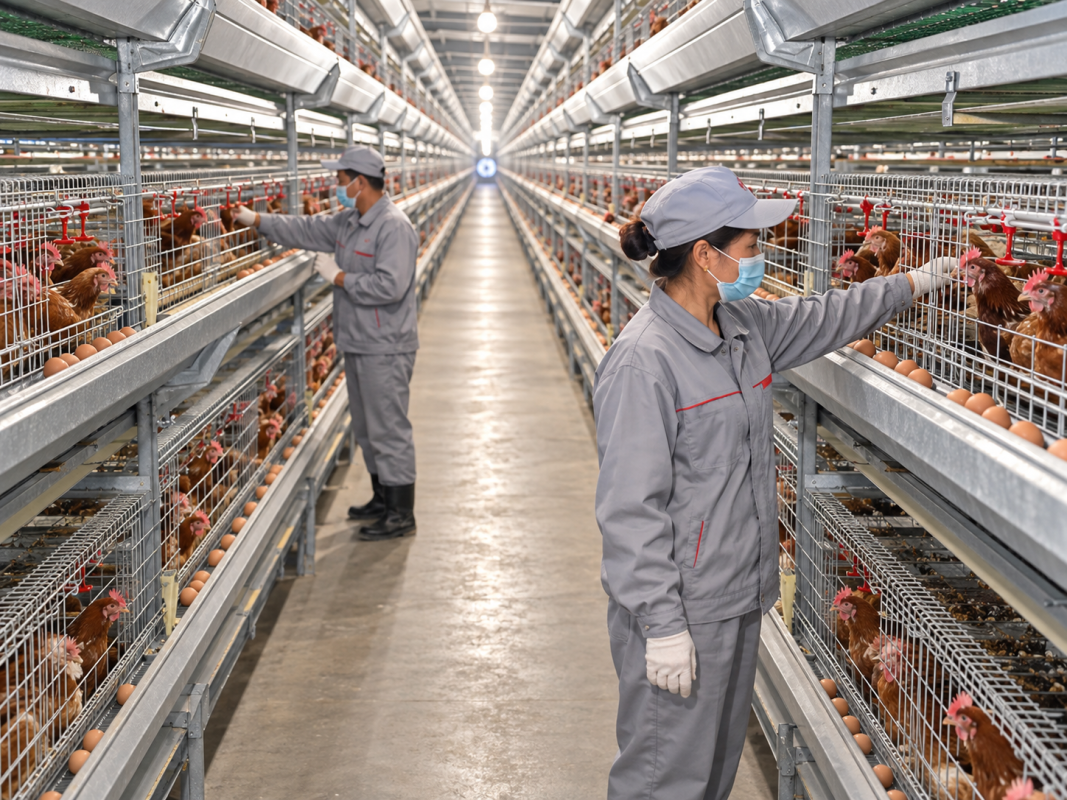
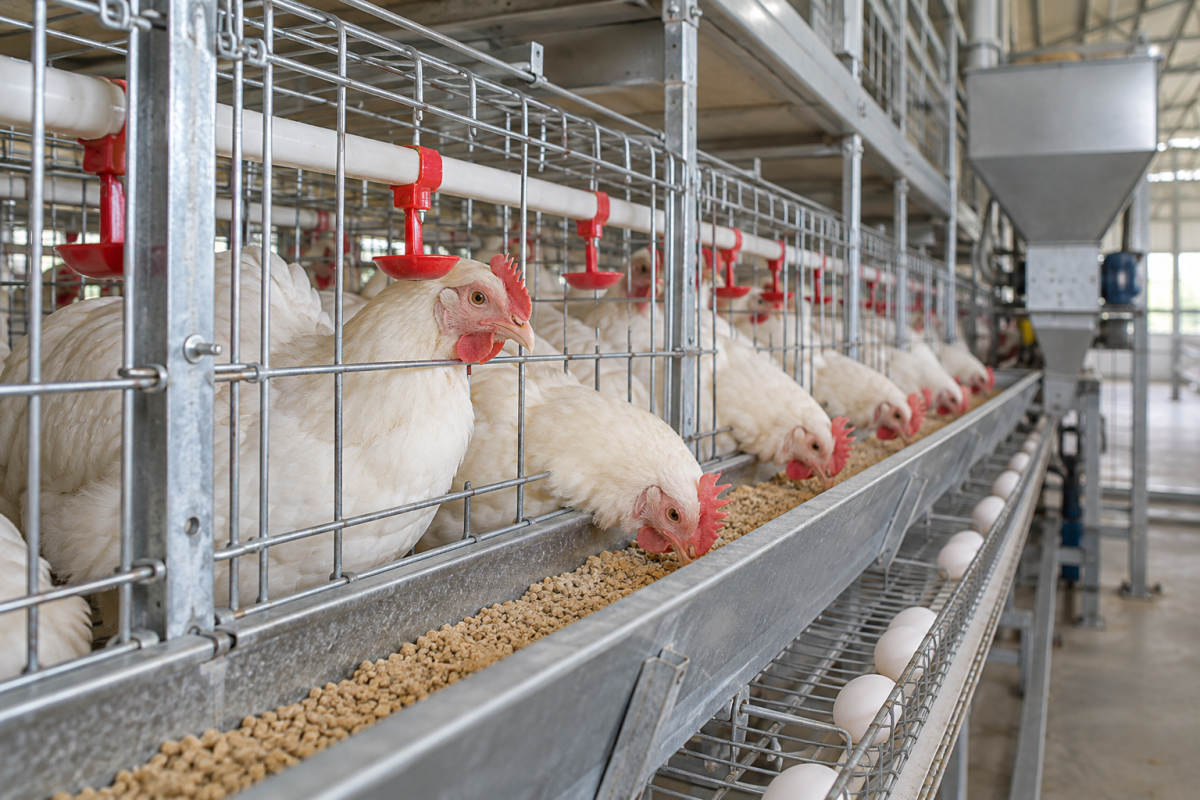
Modern Poultry Farming Equipment: Complete Systems Guide for Efficient Chicken Farms
- If you are looking to scale your chicken farm, modern poultry farming equipment is the key to transforming manual labor into a highly profitable, automated operation.
- These systems integrate advanced technology to handle everything from feeding to climate management, ensuring your flock stays healthy while significantly cutting your daily operational costs.
- By switching to automated setups, you can minimize human error and focus on high-level management rather than repetitive chores.
- In this guide, we will break down the essential systems needed to modernize your facility and maximize your farm's long-term efficiency.

What Is Modern Poultry Farming Equipment?
- At its simplest, modern poultry farming equipment consists of interconnected automated tools—like precision feeders, climate control sensors, and smart waste management systems—that operate your farm with minimal human intervention.
- Instead of manually monitoring barn conditions or carrying heavy feed bags, you use a centralized hub to oversee the entire environment.
- The shift toward technology rests on four core pillars that directly boost your bottom line.
- First, automation replaces time-consuming manual tasks, allowing one worker to manage thousands more birds than traditional methods allow.
- Third, animal welfare improves as sensors maintain perfect temperature and ventilation, reducing bird stress.
- Finally, strict biosecurity is enforced through physical barriers and automated disinfection, effectively protecting your flock from costly disease outbreaks.
Core Systems in Modern Poultry Farming (From Machines to Integrated Systems)

- To achieve maximum profitability, you must move beyond using mismatched, standalone tools and instead embrace fully integrated systems.
- When you connect your feeding, climate, and watering hardware into one digital ecosystem, you gain precise control over every variable in your barn.
- High-quality galvanized steel structures serve as the backbone of these setups, providing the durability needed to safely house sensitive automation equipment.
Automated Feeding and Silo Storage Systems
- Feed is your largest expense, so managing it properly is critical. Modern farms use outdoor galvanized steel silos to store feed in bulk, which keeps it dry and safe from pests and mold.
- From the silo, automated augers—large metal screws—transport the feed directly into the house.
- Inside, pan feeding lines distribute exact portions to anti-scraping pans.
- This design is a game-changer; it stops birds from scratching feed onto the floor, which saves significant money.
Hygienic Drinking Water Systems
- Clean water is essential for bird health and rapid growth.
- Old-fashioned open water troughs are hotbeds for bacteria, which is why modern farms replace them with closed nipple drinker systems.
- These provide 100% clean, pressurized water directly to each bird.
- You can further optimize this with water control systems, including filters and dosing pumps, which allow you to safely administer vaccines or supplements.
- Pro Tip:
- Monitoring water intake is a leading indicator of flock health; a sudden drop in water consumption is often the first warning sign of an impending disease outbreak.
Poultry Housing Systems: Cages vs. Floor Rearing
- Choosing the right housing depends on your scale and bird type.
- A-type cages are the standard choice for small-to-medium farms because they are affordable and easy to manage.
- For larger operations, H-type cages are better, as their heavy-duty, multi-tier design maximizes vertical space.
- If you prefer floor rearing, using plastic slatted floors helps keep birds off the ground, promoting better hygiene.
- Whether you raise broilers for rapid, uniform meat growth, or layers aiming for a breakage rate under 0.8%, your housing system must be tailored to support your specific production goals efficiently.
Housing System | Best For | Main Advantage | Key Benefit |
A-Type Cages | Small-to-medium farms | Budget-friendly & simple | Easy to manage and install |
H-Type Cages | Large-scale operations | Maximizes vertical space | Heavy-duty, high bird density |
Floor Rearing | Broilers / Free-range | Natural movement | Lower equipment complexity |
Plastic Slats | Floor-reared birds | Improved hygiene | Keeps birds off wet litter |
Ventilation and Climate Control Systems
- In the United States, keeping birds cool during summer is a major challenge.
- Tunnel ventilation solves this by using heavy-duty 50-inch exhaust fans to pull a constant, refreshing stream of air through the entire barn.
- By pairing these fans with evaporative cooling pads, you can lower incoming air temperatures by 8°C to 12°C.
- This active cooling prevents fatal heat stress and maintains bird activity.
- Furthermore, smart air inlets ensure this cool air is distributed uniformly, preventing cold spots that could lead to bird huddling and uneven growth, ensuring a comfortable environment year-round.
Scientific LED Lighting Programs
- Lighting is more than just visibility; it is a biological tool used to control flock behavior.
- Modern LED systems simulate natural sunrise and sunset, which prevents the birds from panicking and significantly reduces stress levels.
- You can use different light colors to trigger specific biological benefits.
- For example, blue and green light wavelengths are proven to promote muscle growth in meat chickens (broilers).
Essential Poultry Equipment List for Commercial Farms
- To build a high-performance commercial farm, you need a cohesive set of automated tools that work in sync.
- Your essential equipment list should prioritize efficiency and bird health.
- This includes gantry or ladder-type automatic feeders that ensure uniform feed distribution across multiple cage levels.
- For hydration, nipple or cup drinkers provide clean, on-demand water, significantly reducing waste compared to open systems.
- Additionally, automatic egg collection systems utilize gentle conveyor belts to transport eggs safely, minimizing damage.
- According to the United Egg Producers, these automated workflows are vital for maintaining the high production standards required in modern American agriculture.
- Maintaining a healthy environment also requires dedicated waste and biosecurity management.
- Automatic belt or scraper systems remove manure daily, which is essential to keep ammonia levels under 10 ppm, a threshold critical for respiratory health in poultry.
- Furthermore, on-farm carcass dehydration systems allow you to safely process mortalities on-site, adhering to strict environmental biosecurity regulations.
- Investing in these systems creates a cleaner, more profitable operation.
Equipment Type | Primary Benefit |
Automatic Feeders | Reduces feed wastage and ensures uniform bird growth. |
Nipple Drinkers | Provides 100% clean water while keeping litter dry. |
Egg Collection Belts | Safely transports eggs; keeps breakage under 0.8%. |
Manure Scrapers/Belts | Maintains ammonia below 10 ppm for flock health. |
Carcass Dehydrators | Safely processes waste and prevents disease spread. |
- Read More:
Smart Technologies and IoT in Modern Poultry Farming
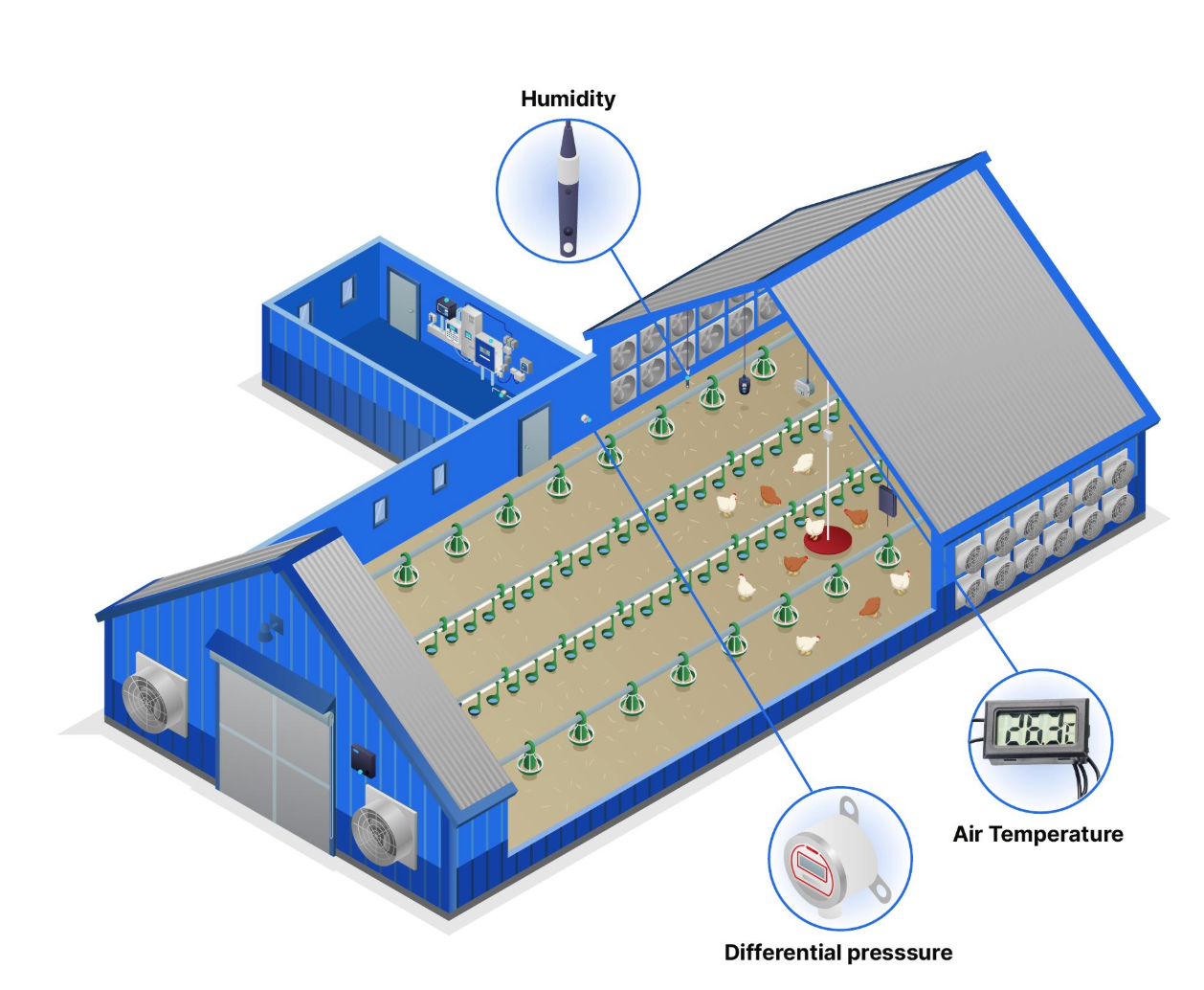
- Modern poultry farming is no longer just about heavy machinery; it is about data-driven intelligence. IoT sensors act as the "eyes and ears" of your farm, measuring temperature, humidity, CO2, and ammonia levels 24/7.
- These sensors feed data to smart integrated controllers that automatically adjust ventilation fans, heaters, and lighting based on real-time conditions.
- This level of precision eliminates the human error associated with manual adjustments.
- The biggest advantage for the modern farmer is the ability to monitor the entire operation remotely via mobile apps.
- You no longer need to be physically inside the barn to know if things are running smoothly.
- If the power fails or environmental conditions drift outside safe parameters, the system sends an instant alarm notification to your phone.
- This rapid response capability is a lifesaver, allowing you to address issues before they lead to flock losses.
- By leveraging these IoT tools, you are effectively buying peace of mind and significantly reducing the risk of catastrophic production failures.
How to Choose the Right Modern Poultry Farming Equipment
- Choosing the right equipment depends on a "decision triangle" of scale, budget, and labor.
- If you manage fewer than 20,000 birds, A-type cages are often the most cost-effective entry point.
- However, for large-scale operations exceeding 50,000 birds, H-type cages are essential to maximize your vertical space.
- You must also weigh your local labor market; if skilled workers are expensive or hard to find in your region, increasing your upfront investment in full automation becomes a strategic necessity rather than a luxury.
- This approach ensures your facility remains scalable without being limited by staffing challenges.
- One of the biggest pain points for commercial farmers is the physically demanding process of catching birds at harvest.
- Moving from manual methods to automated solutions, such as Pull-Out Slat Harvesting, can reduce required labor by approximately 70%.
- Alternatively, fully automatic chain harvesting systems streamline the process even further, ensuring birds are moved to processing with minimal stress and bruising.
Cost and ROI of Modern Poultry Farming Equipment
- When evaluating equipment, it is vital to distinguish between CAPEX (upfront capital expenditure) and OPEX (long-term operating costs).
- While lower-priced equipment might look attractive, it often leads to higher energy bills and frequent, costly breakdowns.
- For example, a high-quality 50-inch exhaust fan may cost more initially than a cheaper 36-inch unit, but its superior airflow efficiency and durability make it significantly cheaper over a five-year period.
- By focusing on Total Cost of Ownership (TCO) rather than just the sticker price, you protect your cash flow and ensure your facility operates reliably without unexpected downtime.
- To help you navigate these costs, the following table breaks down typical investment tiers, reflecting the balance between initial capital expenditure and long-term operational performance:
Equipment Category | Entry Configuration | Standard Configuration | Industrial Configuration |
Feeding System | $2,500 | $5,000 | $10,000 |
Drinking System | $1,200 | $2,800 | $5,500 |
Ventilation System | $2,000 | $4,500 | $9,000 |
Cage Structure | $8,000 | $15,000 | $30,000 |
Heating Equipment | $1,000 | $2,500 | $4,800 |
Automation Control | $0 | $3,600 | $12,000 |
Total Investment | $14,700 | $33,400 | $71,300 |
- While the table above outlines your initial investment, your long-term ROI is ultimately decided by how you manage ongoing maintenance.
- This is why we advocate for equipment standardization.
- By purchasing compatible parts from a single manufacturer, you drastically simplify your inventory management.
- In many cases, this transition allows you to reduce your spare parts stock from 148 different types down to just 42.
- This lean approach prevents production halts caused by waiting for non-standard components and saves up to 30% in annual maintenance costs.
- Establishing a unified technical standard across your farm ensures that your systems remain maintainable, efficient, and profitable for years to come.
Step-by-Step Modern Poultry Farm Setup Examples
- Choosing the right configuration depends on your target product.
- For a 20,000-bird layer farm, A-type battery cages are highly efficient.
- By utilizing a 4-tier, 5-door setup arranged in three rows, you can house 20,160 hens within a 92m x 12m facility.
- This design optimizes space while maintaining a target feed conversion ratio (FCR) of 2.25 kg of feed per kilogram of eggs produced.
- By keeping the birds in a controlled, multi-tier environment, you maximize egg collection speed and sanitation, ensuring high-quality output that meets the strict standards demanded by major retailers and local distributors.
- Alternatively, a broiler farm focuses on rapid growth cycles.
- A 20,000-bird setup using floor rearing requires a fully insulated light steel building measuring 105m x 12m.
- By installing automatic floor pan feeding, nipple drinkers, and tunnel ventilation, you create an ideal environment for a 42-day growth cycle.
- This system is designed for high performance, aiming for a 99.5% survival rate and a final bird weight of 2.9 kg.
- With an FCR of 1.4:1, you can achieve significant scale, as shown in the following economic breakdown for a single cycle.
Project Cost / Revenue Item | Cost per Cycle (USD) |
Steel House Depreciation | $525 |
Equipment Depreciation | $520 |
Chick Purchase ($0.43/head) | $8,571 |
Feed Cost ($0.43/kg) | $39,771 |
Vaccines & Medicine | $1,714 |
Utilities (Water & Electric) | $1,065 |
Labor Costs | $2,857 |
Total Cycle Cost | $55,025 |
Total Revenue | $64,305 |
Net Profit per Cycle | $9,281 |
Common Mistakes When Buying Poultry Equipment
- Avoid these common traps to ensure your investment stays profitable and lasts for years:
- Chasing the Lowest Price: Don’t settle for cheap, thin steel (e.g., 1.2 mm). Always choose 2.5 mm hot-dip galvanized steel to prevent premature corrosion in the moist barn environment.
- Undersizing Ventilation: Installing fans that are too small leads to toxic ammonia buildup and respiratory disease. Always ensure your ventilation system is powerful enough for your bird capacity.
- Creating “Frankenstein” Systems: Never mix and match brands for your feeders, drinkers, and controllers. Using mismatched parts makes repairs and technical support nearly impossible.
- Ignoring Hidden Costs: Always budget for extra expenses like ocean freight ($3,000–$10,000), import taxes (8%–26%), and the professional labor required for correct installation.
Conclusion: Build a Smart and Efficient Poultry Farming System
- Upgrading to modern, automated poultry equipment is not merely an expense; it is a strategic investment that stabilizes your operational costs and secures flock health.
- By replacing manual guesswork with data-driven automation, you protect your business against the volatility of the market and the risks of disease.
- Consistency is the foundation of profitability in the poultry industry.
- When every aspect of your barn is optimized and interconnected, you move from just raising chickens to running a highly efficient, predictable, and sustainable commercial agricultural business that can grow alongside your professional ambitions.
- To ensure your success, I strongly recommend working directly with a trusted manufacturer that provides complete turnkey EPC (Engineering, Procurement, and Construction) services.
- From the initial design of your customized steel house to professional equipment installation, a turnkey partner removes the guesswork and logistical stress of the project.
- Are you ready to modernize your poultry operation?
- Let our team of experts help you design a facility that is built for precision, performance, and long-term profitability.
- Investing in the right expertise at the start is the most reliable way to secure your future.
- Establishing a unified technical standard across your farm ensures that your systems remain maintainable, efficient, and profitable for years to come.
- Read More: