


As commercial egg production continues to expand across Africa, modern poultry farms are rapidly shifting from traditional floor systems to layer cage systems. However, as farm scale increases, manure management becomes one of the biggest operational challenges.
A reliable manure removal system for layer cages is no longer optional—it is essential for improving hygiene, reducing disease risk, and increasing overall farm profitability. This article explores how manure removal systems work, why they are especially important in African commercial chicken houses, and how to choose the right solution.
1. Why Manure Management Is a Critical Issue in African Layer Farms
In many African poultry operations, manure is still removed manually or only cleaned after an entire production cycle. This creates several serious problems:
High ammonia levels affecting bird health
Increased disease pressure and fly infestation
Labor-intensive daily cleaning
Poor working conditions for farm staff
Lower egg production and higher mortality
With hot climates, limited labor availability, and rising biosecurity standards, African commercial farms urgently need automated manure handling solutions.
2. What Is a Manure Removal System for Layer Cages?
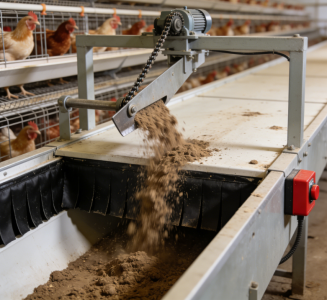
A manure removal system is an automated or semi-automated solution designed to continuously or regularly remove chicken manure from beneath layer cages.
In modern layer cage houses, manure removal systems are typically integrated with:
A-type or H-type layer cages
Steel structure poultry houses
Automated feeding and drinking systems
Ventilation and environmental control systems
The goal is to keep the house dry, clean, and low in harmful gases throughout the production cycle.
3. Common Types of Manure Removal Systems Used in Africa
1. Manure Belt System (Most Popular)
The manure belt system is widely used in modern African layer farms.
How it works:
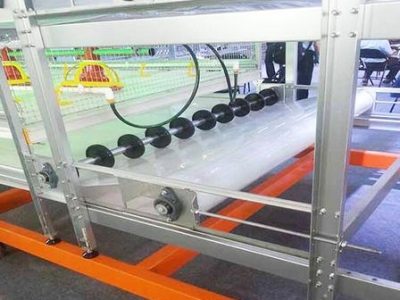
Plastic or rubber belts are installed under each cage tier
Manure drops directly onto the belts
Belts run automatically to transport manure outside the house
Advantages:
Daily or scheduled manure removal
Very low ammonia levels
Reduced disease risk
Compatible with multi-tier layer cages
This system is ideal for medium to large-scale commercial layer farms.
2. Manure Scraper System
Scraper systems are usually applied in floor-raised or semi-cage houses.
Advantages:
Simple structure
Lower initial investment
Easy maintenance
Limitations:
Not suitable for high-density vertical cage systems
Less effective in controlling ammonia
Scraper systems are often chosen by small or budget-limited farms.

3. Deep Pit Manure System (Traditional)
Some older African poultry houses use deep pit systems, where manure accumulates for long periods.
Disadvantages:
High ammonia concentration
Strong odor
Increased fly and disease pressure
This system is not recommended for modern commercial egg production.
4. Benefits of Manure Removal Systems in African Layer Cages
1. Improved Bird Health and Egg Production
Regular manure removal significantly reduces ammonia levels, improving respiratory health and laying performance.
2. Lower Labor Costs
Automated systems can reduce manure handling labor by 60–80%, which is critical in regions with rising labor costs.
3. Better Biosecurity
Less manure inside the house means:
Fewer pathogens
Reduced fly population
Lower risk of disease outbreaks
4. Improved Working Environment
Clean houses improve worker efficiency and help farms meet international standards.
5. Why Manure Belt Systems Are Ideal for Africa
African poultry farms often face:
High temperatures
Seasonal humidity
Limited skilled labor
Power supply challenges
Manure belt systems designed for African conditions typically feature:
Corrosion-resistant materials
Low-power motors
Simple control systems
Easy cleaning and maintenance
When combined with proper ventilation, manure belts are one of the most cost-effective manure management solutions for Africa.
6. Key Factors When Choosing a Manure Removal System
When selecting a manure removal system for layer cages, African buyers should consider:
1. Farm Scale and Cage Type
Number of birds
A-type or H-type cage structure
Number of cage tiers
2. Climate Conditions
High-temperature resistance
Moisture and corrosion protection
3. Power and Energy Consumption
Stable operation under voltage fluctuations
Energy-efficient motors
4. Maintenance and Spare Parts
Availability of belts and motors
Simple replacement process
7. Integration with a Complete Layer House System
A manure removal system performs best when integrated into a complete automated layer house, including:
Automatic feeding system
Nipple drinking system
Ventilation and cooling system
Environmental monitoring
This integrated approach maximizes return on investment and ensures long-term farm stability.
8. GuangxinIOT Manure Removal Solutions for African Poultry Farms
GuangxinIOT specializes in automatic poultry equipment for African commercial farms, offering:
Manure belt systems for A-type and H-type layer cages
Custom design for steel structure chicken houses
Low-energy, high-durability components
Installation guidance and overseas technical support
Our manure removal systems have been successfully deployed across Africa, the Middle East, and Southeast Asia, helping farms improve hygiene, productivity, and profitability.
Conclusion: Clean Manure Management Is the Foundation of Profitable Egg Production
In African commercial layer farming, manure removal is not just a cleaning task—it is a core productivity factor. A well-designed manure removal system improves bird health, reduces costs, and supports sustainable farm expansion.


