


When selecting equipment, many poultry farmers tend to focus primarily on major components such as automatic feeding systems, intelligent ventilation systems, and complete automated farming setups, willing to invest heavily in upgrading mainstream systems. However, they often overlook the most fundamental yet critical core component—the chicken coop mesh. Whether it’s the bottom mesh, side mesh, or partition mesh, these may appear to be simple metal mesh elements that seem insignificant, but they are the primary cause of hidden losses, low production efficiency, and frequent equipment damage in the vast majority of farms.
The seemingly unremarkable cage mesh structure permeates the entire poultry farming process, directly controlling its core operational aspects. Whether the flock is comfortable, whether injuries or disabilities occur, whether culling rates are high, whether egg quality and breakage rates are favorable, whether manure can be removed promptly, whether poultry houses are hygienic, how long the entire cage system will last, and whether frequent maintenance or replacement is required—all these factors depend entirely on the material composition and structural design of the bottom mesh, side mesh, and partition mesh.
Whether it’s conventional laying hen cages, broiler cages, or the currently mainstream A-type and H-type multi-layer three-dimensional cage systems, the stability of the entire farming system relies entirely on the installation of various cage mesh panels. As an essential core component in large-scale poultry farming, these mesh panels are not mere supplementary accessories but critical factors that directly impact survival rates, product quality, operational costs, and long-term investment returns. Selecting appropriate cage mesh significantly reduces farming risks and substantially lowers maintenance expenses; choosing inferior mesh, however, renders even the most advanced automated equipment ineffective and continuously erodes farming profits.


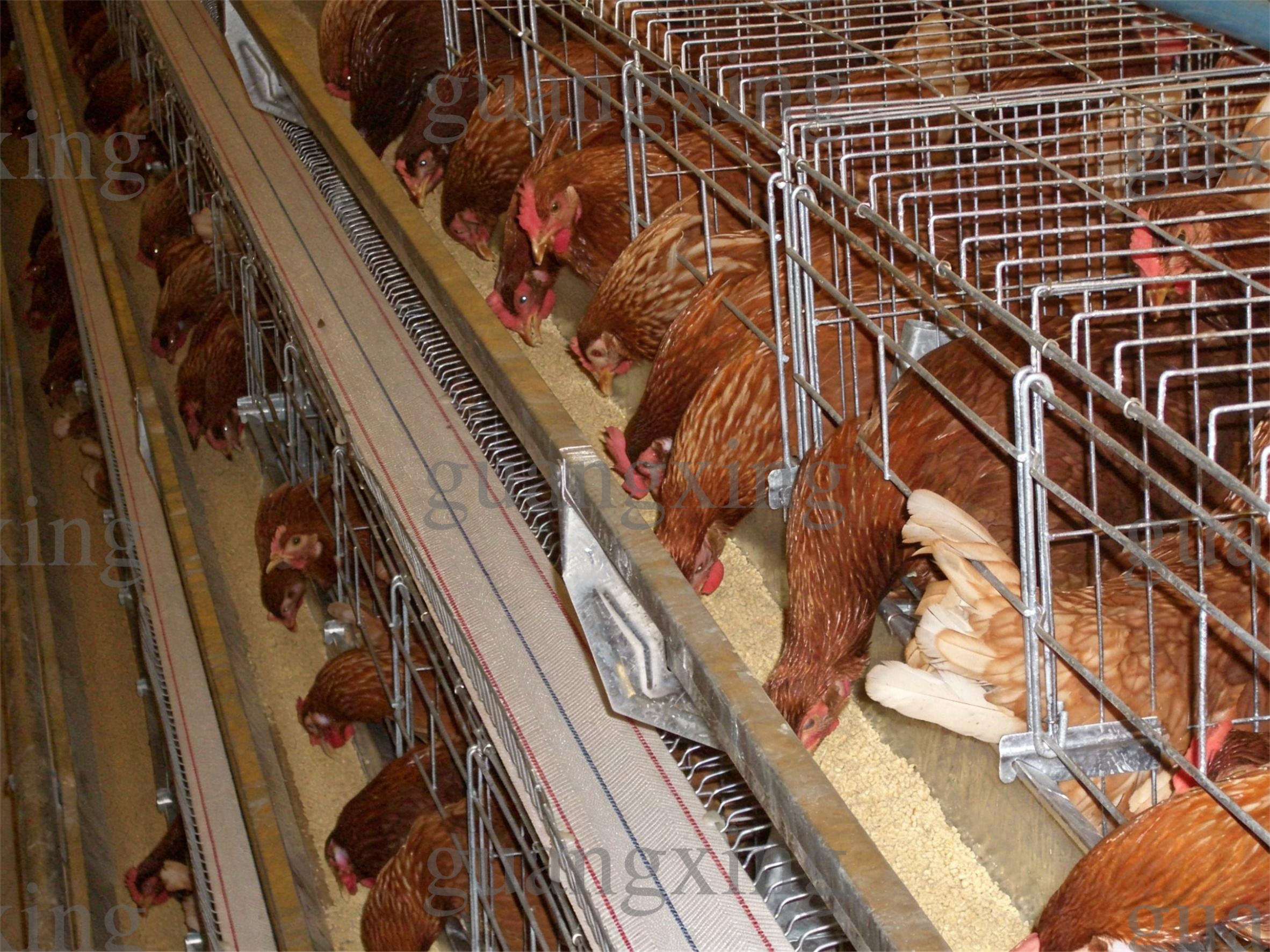

What is the poultry cage-netting system?
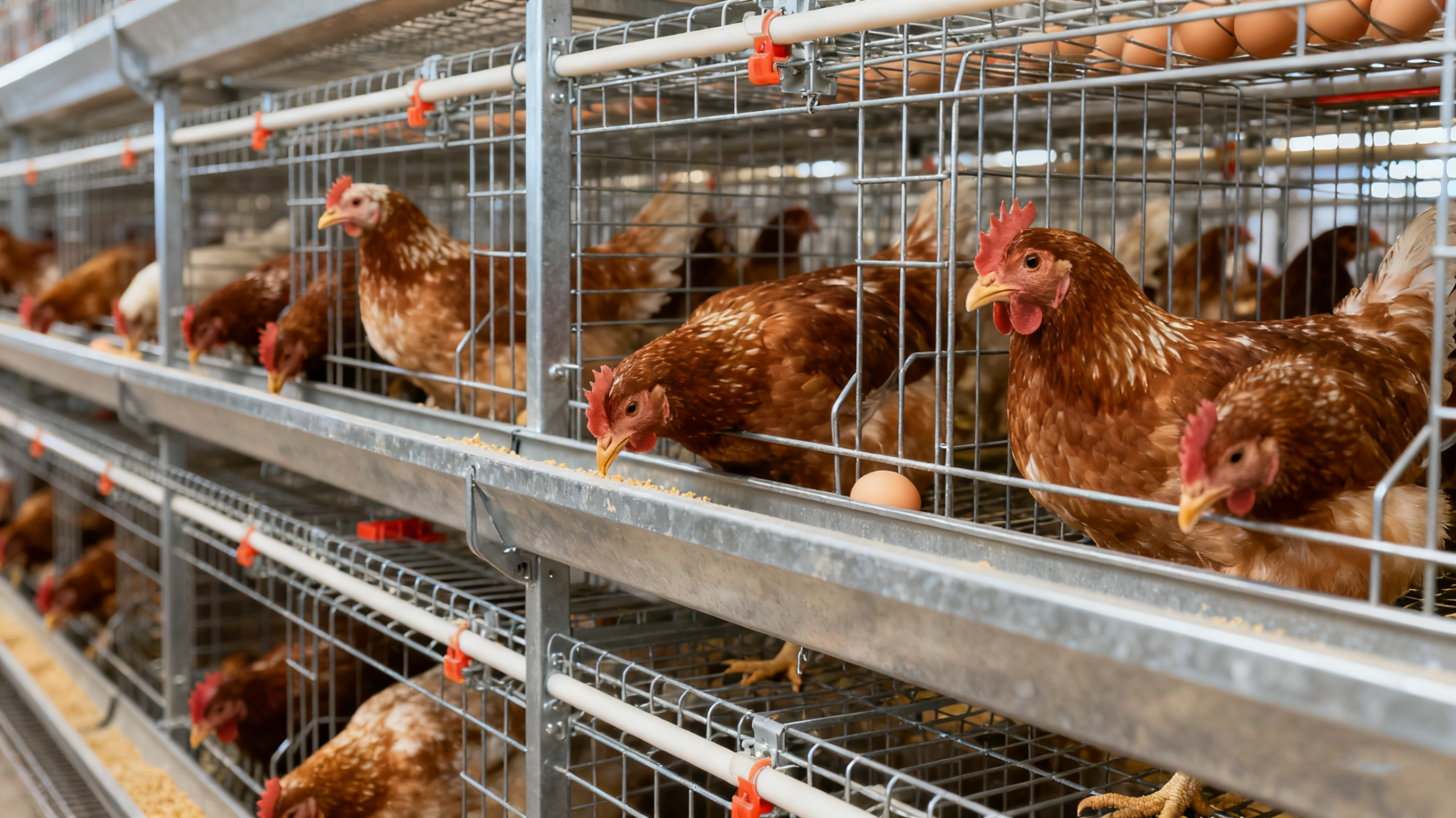
The poultry cage mesh system refers to a metal wire mesh structure used in battery cages, stacked cages, and automated cage farming equipment, typically consisting of the following components: base mesh – supporting chickens and facilitating automatic egg collection and waste removal; side mesh – sealing both sides of the cage to prevent escape; partition mesh – dividing the interior space into multiple feeding units. These three components work synergistically to ensure structural stability, chicken safety, controlled environmental hygiene, and enhanced overall farming efficiency.
What is a bottom net?
The floor net, also known as the cage bottom net, is the most critical component of the entire chicken coop and the part that comes into closest contact with the flock. Chickens stand, move, and rest on this mesh surface throughout the day. It also serves as the primary medium for collecting fallen eggs and rapidly separating poultry manure, earning it the designation as the “core foundation” of cage farming systems. The quality of all breeding operations is directly influenced by its performance.
The four core practical functions of the bottom net:
1. High load-bearing capacity with resistance to deformation and collapse:
The bottom net continuously supports the weight of all chickens within the cage day and night without interruption. Made from high-quality material with standardized thread dimensions and a robust structure, it remains stable over long-term use, preventing collapse, deformation, or sagging. This fundamentally eliminates issues such as chicken clustering, discomfort during standing, and cage damage caused by net deformation, significantly extending the overall service life of the chicken cage.

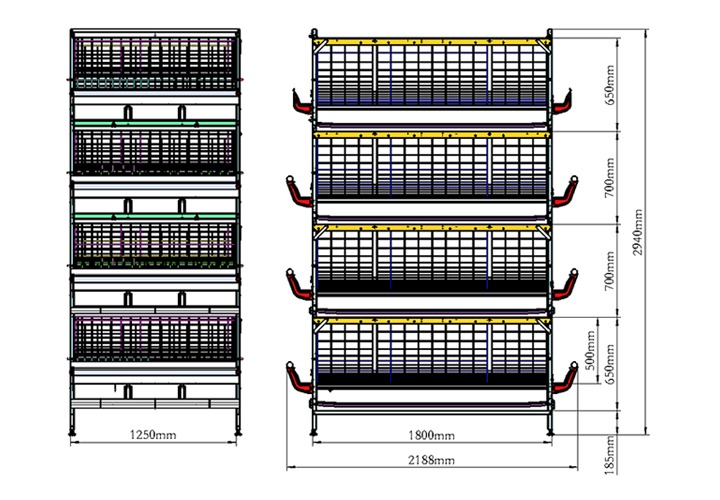
2. Precise slope design ensures stable descent and reduces egg breakage rate:
The industry standard requires a gradient of 6–8 degrees. An optimal slope is crucial for egg rolling. Proper slope design enables eggs to roll smoothly and automatically into the collection trough without hesitation, stagnation, or mutual collision, effectively minimizing issues such as egg rupture, cracking, or contamination, thereby directly enhancing the quality of finished eggs.
3. Optimal mesh spacing for efficient manure drainage and hygiene maintenance:
The mesh spacing of the bottom grid is scientifically designed to securely support chickens and eggs while ensuring rapid and complete discharge of poultry manure into the underlying manure collection system, preventing manure accumulation, entanglement, or blockage. This effectively reduces manure buildup, bacterial proliferation, and ammonia exceedance in the coop, fundamentally improving the sanitary environment of the poultry house and lowering disease incidence rates among the flock.
4. Scientific Process for Maintaining Healthy Chicken Feet:
Common issues such as foot pad inflammation, claw abrasions, and nail injuries in many poultry farms are predominantly caused by substandard floor nets. High-quality floor nets feature appropriately sized mesh wires, regular mesh patterns, smooth edges without burrs, and a design that aligns with the natural weight-bearing habits of chicken feet. These nets significantly reduce claw wear and compression injuries, substantially lower the incidence of foot pad diseases, and improve both flock survival rates and overall farm health.
Common technical specifications of bottom nets:
Material: Hot-dip galvanized steel wire / zinc-aluminum alloy steel wire;
Wire diameter: 2.2–2.5 mm (commonly used for laying hens);
Mesh spacing: optimized based on chicken age and breed;
Surface treatment: smooth, corrosion-resistant, and scratch-proof.
High-quality bottom nets significantly enhance egg cleanliness, egg production rate, and equipment durability.
Side Grid: Ensuring Security Protection and Structural Stability
What is a chicken coop side mesh?
The side grid refers to the protective mesh installed on both sides of the chicken coop, serving as a vertical protective barrier for the coop structure. As the core lateral component of the coop, it is not merely a simple enclosure accessory but a critical element that stabilizes the structural integrity of the coop, safeguards the flock, and optimizes the internal environment, thereby ensuring the stability and compliance of cage farming practices.
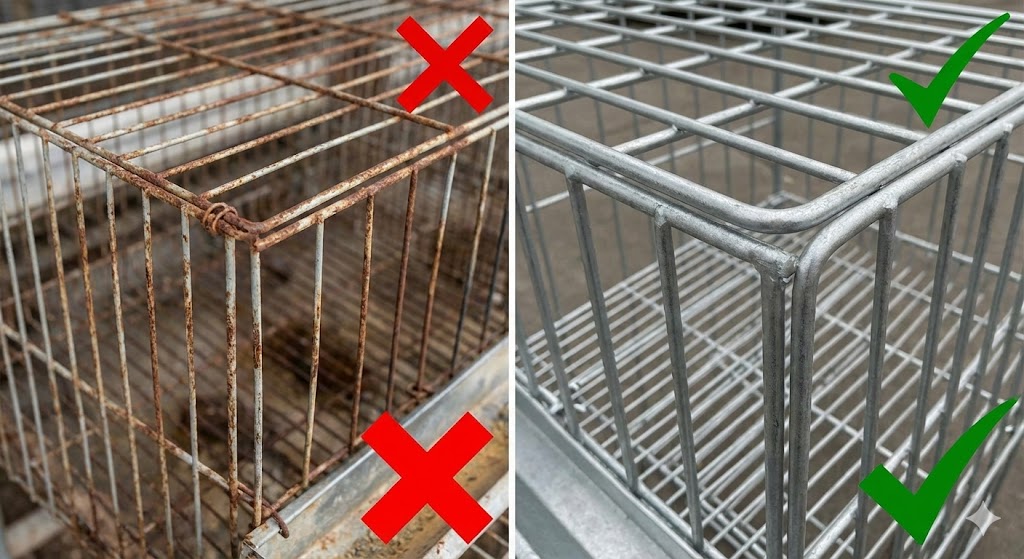
The four core practical functions of side nets:
1. Protective containment to eliminate risks of chicken escape or entrapment: Many poultry farms frequently experience incidents such as chickens escaping from cages, running away, or sustaining injuries due to their heads, necks, or wings getting caught in the net, primarily caused by improper mesh design. Standardized side net mesh dimensions are precisely engineered; they not only define the appropriate activity range for chickens to prevent escape-related losses but also completely prevent entrapment or hanging, thereby reducing unnecessary injuries and culling rates.
2. Round-edged construction reduces feather loss due to scratching:
During daily activities, turning, or wing flapping, poultry frequently come into contact with the side mesh. High-quality side mesh features smooth weld joints, rounded edges without burrs or sharp protrusions, preventing skin abrasions or feather damage, thereby effectively maintaining the integrity of the poultry’s body surface, avoiding extensive feather loss and skin injuries, and enhancing both the appearance and health status of the flock.
3. Reinforce the cage structure to enhance overall structural rigidity:
The side mesh serves as the “skeletal support” of the entire chicken cage system, playing a critical role in securing and stabilizing components. It effectively improves the stability of the entire cage assembly, mitigates external forces exerted by prolonged equipment loads and farming operations, prevents cage distortion, deformation, or loosening, significantly enhances the durability of the entire cage farming system, and reduces subsequent maintenance and repair costs.
4. Permeable mesh structure for optimized ventilation within cages:
Closed enclosures are prone to creating stagnant humidity and ammonia accumulation inside cages, which can induce poultry diseases. In contrast, the permeable mesh structure with side openings does not obstruct airflow circulation, allowing fresh air to rapidly penetrate every cage compartment, ensuring adequate air exchange and balanced humidity levels within the poultry house, thereby improving the local microclimate and reducing disease risks at the environmental level.
Technical Specifications of Side Net:
Material – High-strength galvanized steel wire;
Wire diameter – 2.0–2.3 mm; Vertically arranged structure for easy cleaning and maintenance;
Excellent corrosion resistance suitable for high-humidity environments.
In large-scale farms, high-quality side nets significantly reduce long-term maintenance costs.
Grid separation: Optimizing spatial utilization and flock management efficiency
What is a chicken coop wire mesh?
The partition net is a meshed barrier installed inside the chicken coop, serving as a “partition panel” within the enclosure. It effectively divides a large coop into multiple independent feeding units. Although appearing to be a simple partition component, it plays a critical role in regulating stocking density, minimizing poultry mortality, and facilitating daily management, directly influencing the uniform growth of the entire flock.
Four Core Practical Values of Grid Separation Systems:
1. Precise density control to eliminate blind overcrowding: Excessive stocking density is the primary cause of poor growth performance and high morbidity rates in poultry farms. Grid separation systems precisely delineate feeding spaces within cages, standardize the number of birds per unit, and fundamentally prevent issues such as artificial overcrowding and cage space congestion, ensuring each chicken has a standardized activity area that complies with scientific farming protocols.
2. Reduction of stress-induced fighting and decrease in disability losses:
When poultry are overcrowded, incidents such as feather pecking, anal pecking, and aggressive conflicts are highly prevalent, frequently triggering stress responses that lead to disabilities and culling losses. The installation of standardized partition nets establishes clear spatial zoning, ensures orderly movement of the flock, significantly reduces fighting, crowding, and stress-related issues, and effectively lowers both disability rates and abnormal culling rates.
3. Uniform feeding and water supply ensure uniform growth of the flock:
Open cages are prone to situations where dominant chickens compete for food while weaker ones cannot access feed, leading to uneven body size and inconsistent market readiness among the flock. Zone-based housing with partition nets ensures each chicken has equal access to feeding and drinking space, prevents disparities between strong and weak individuals, promotes uniform growth and well-proportioned body shape throughout the flock, and significantly enhances overall farming quality.
4. Simplified daily management for time and labor savings:
The standardized cage configuration across designated zones ensures more systematic and efficient operations for routine inspections, disease immunization, group caging adjustments, and culling of sick or weak chickens. Farmers can precisely identify issues within each breeding unit without extensive searching, significantly reducing daily maintenance complexity, lowering labor costs, and enhancing overall farming management efficiency.
The partition mesh design requires high-strength galvanized steel wire with anti-clogging mesh openings, ensuring robust weld points that resist deformation and excellent compatibility with automated systems. In layer hen cage systems, the partition mesh is particularly critical for maintaining stable egg production rates.
Description of common materials used for poultry cage nets
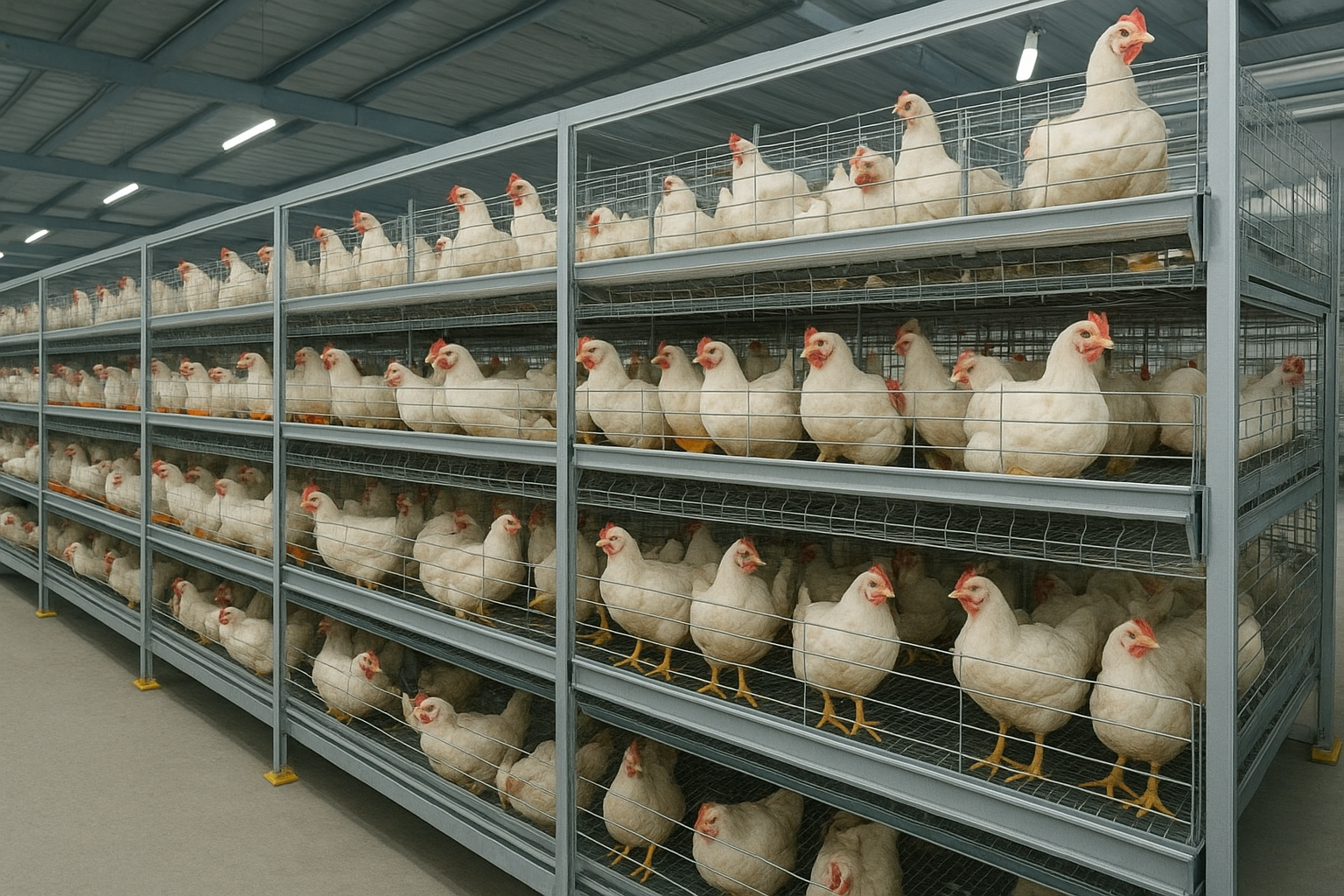
Hot-dip galvanized material offers excellent corrosion resistance and prevents wire breakage or deformation. Conventional net panels are prone to wear, rusting, wire breakage, and structural collapse under prolonged exposure to chicken contact, friction, and airflow, leading to compromised zoning performance. In contrast, hot-dip galvanized partition nets exhibit superior wear resistance, strong corrosion resistance, and higher toughness; they retain their zinc coating and avoid burrs even under daily chicken contact and friction, eliminating issues such as rusted wires scratching chickens or causing egg and feces accumulation. Their zoning structure remains stable over long-term use, with durability far exceeding that of conventional net panels.
Conclusion
The bottom grid, side grids, and partition grids are not merely structural components of the cage but critical factors determining breeding efficiency, poultry health, and long-term profitability. By selecting high-quality, scientifically designed cage grid systems, farmers can significantly enhance egg production performance, environmental hygiene standards, and equipment lifespan. Guangxiniot specializes in modern poultry cage systems, offering: high-quality bottom grids with scientifically optimized egg-rolling gradients; corrosion-resistant, structurally stable side grids; and precision-partitioned grids that facilitate management. Whether for new farm establishment or equipment upgrades, choosing the appropriate cage grid system represents a highly rewarding long-term investment.
For product and solution consultations, please contact Guangxing’s professional team for customized advice: WhatsApp: 00852-46090144 or [Phone/WeChat]: 0086-17876668787


