


Raising chickens successfully requires more than just good feed and proper ventilation—it also depends heavily on choosing the right cages for chickens. Whether you are managing a small backyard flock or operating a large commercial poultry farm, selecting an appropriate cage system ensures better productivity, improved hygiene, reduced labor, and healthier birds.
In this comprehensive guide, we will explore different types of chicken cages, essential features to look for, benefits of modern poultry cage systems, and why investing in an advanced cage solution—such as those from Guangxing (Guangxiniot)—can significantly improve farm efficiency.
1. What Are Chicken Cages?
Chicken cages are specialized housing systems designed to provide safe, clean, and efficient living environments for poultry. They ensure proper space allocation, facilitate feeding and watering, and help farmers manage egg collection, waste removal, and flock health with ease.
Modern chicken cages are widely used in:
Layer chicken farms
Broiler chicken production
Breeding farms
Hatchery grow-out systems
Cage systems are engineered to maximize productivity and minimize labor, making them ideal for both beginners and commercial poultry operators.

2. Types of Chicken Cages
2.1 Layer Chicken Cages
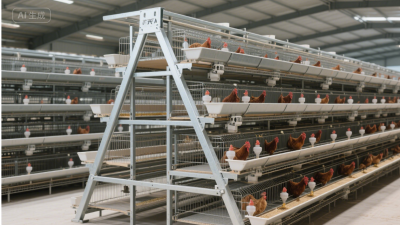
These cages are designed for egg-laying hens. They include:
Sloped floors for egg rolling
Automatic feeding and watering lines
Manure cleaning systems
Multiple tiers for space optimization
Layer cages significantly reduce egg breakage and improve egg cleanliness.
2.2 Broiler Chicken Cages
Broiler cages are built to support fast-growing meat chickens. They emphasize:
Strong floors to support weight
Good ventilation
Easy access for feeding
These cages improve growth rate and reduce disease risks.
2.3 Brooding or Pullet Cages
Used for young chicks or pullets (0–16 weeks), these cages provide:
Controlled temperature
Adjustable feeding lines
Tight mesh floors to protect chicks’ feet
They ensure uniform growth before hens move to layer cages.
2.4 H-Type and A-Type Cages
Common structural formats include:
A-type cages — great for smaller farms
H-type cages — high density, fully automatic, suitable for large commercial farms
Guangxing’s H-type cages are especially popular for their durability and smart IoT integration.

3. Key Features of High-Quality Chicken Cages
When choosing cages for chickens, farmers should consider the following features:
3.1 Durability and Material
Sturdy galvanized or PVC-coated wire protects against rust, extends cage life, and ensures bird safety.
3.2 Automatic Feeding and Watering
Modern cage systems include:
Automatic feeders
Nipple drinking systems
Feed troughs designed to reduce waste
Automation helps reduce labor cost and ensures constant access to fresh water and feed.
3.3 Waste Management System
A good manure removal system helps:
Reduce ammonia levels
Lower disease risk
Keep the environment clean
H-type cages with belt systems are particularly efficient.
3.4 Proper Ventilation
Adequate airflow is crucial to avoid:
Heat stress
Respiratory diseases
Overcrowding issues
Ventilation fans and tunnel ventilation systems can be integrated easily.
3.5 Bird Welfare and Comfort
Healthy chickens lay more eggs and grow faster. High-quality cages improve:
Space management
Stress reduction
Foot health
Smooth surfaces and appropriate mesh sizes prevent injuries.
4. Benefits of Using Chicken Cages
4.1 Higher Egg Production
Layer cages reduce hen movement, allowing hens to conserve energy for laying eggs. Egg cleanliness also increases due to sloped floors.
4.2 Less Disease Transmission
Caged systems separate droppings from the birds, reducing bacterial and parasitic infections.
4.3 Better Farm Management
With automatic feeding, watering, egg collection, and manure cleaning, farmers can oversee larger flocks with minimal manpower.
4.4 Space Optimization
Multi-tier cages allow farmers to keep more birds in a limited area without compromising comfort.
4.5 Reduced Feed Waste
Feed trough designs and cage partitions prevent chickens from scattering feed.
5. Choosing the Best Cages for Your Poultry Farm
When selecting cages, consider the following:
5.1 Farm Size and Budget
Small farms may prefer A-type cages; large commercial farms benefit from H-type automatic cage systems.
5.2 Equipment Automation
If you want to reduce labor and increase efficiency, look for:
Automatic egg collection
Automatic manure cleaning belts
Smart IoT monitoring systems
Guangxiniot’s intelligent poultry cage solutions provide real-time data, enabling scientific poultry management.
5.3 Bird Type
Different birds require different cages:
Layers
Broilers
Breeders
Chicks
Choosing the correct cage ensures optimal performance.
5.4 Supplier Reputation
Work with trusted manufacturers specializing in poultry equipment. Guangxing’s decades of experience and high-quality materials ensure long service life and stable performance.
6. Guangxing Poultry Cage Solutions
Guangxing (Guangxiniot) offers advanced poultry cage systems designed for modern farms. Their cages include:
Automatic feeding and drinking systems
H-type high-density cage structures
IoT smart monitoring platforms
Automatic egg collection systems
Belt-type manure cleaning systems
These solutions help farmers improve production efficiency, reduce costs, and maintain healthier flocks.
7. Why Choose Guangxiniot’s Chicken Cages?
✔ Heavy-duty galvanized steel for long-lasting use
✔ Intelligent automation to reduce labor costs
✔ Customizable designs for different farm sizes
✔ Global export quality with easy installation
✔ Ideal for modern commercial poultry operations
Whether you are expanding your poultry business or starting a new farm, Guangxiniot provides reliable, efficient, and cost-effective cage systems tailored to your needs.

Conclusion
Investing in the right cages for chickens is one of the most important decisions for any poultry farmer. High-quality cage systems improve egg production, reduce disease, minimize labor, and help maintain a clean and efficient farm environment.
With advanced designs and complete automation, Guangxiniot’s chicken cages are the ideal solution for farmers seeking long-term productivity and success.
If you want to elevate your poultry farm performance, it’s time to upgrade to a modern, automated poultry cage system.


