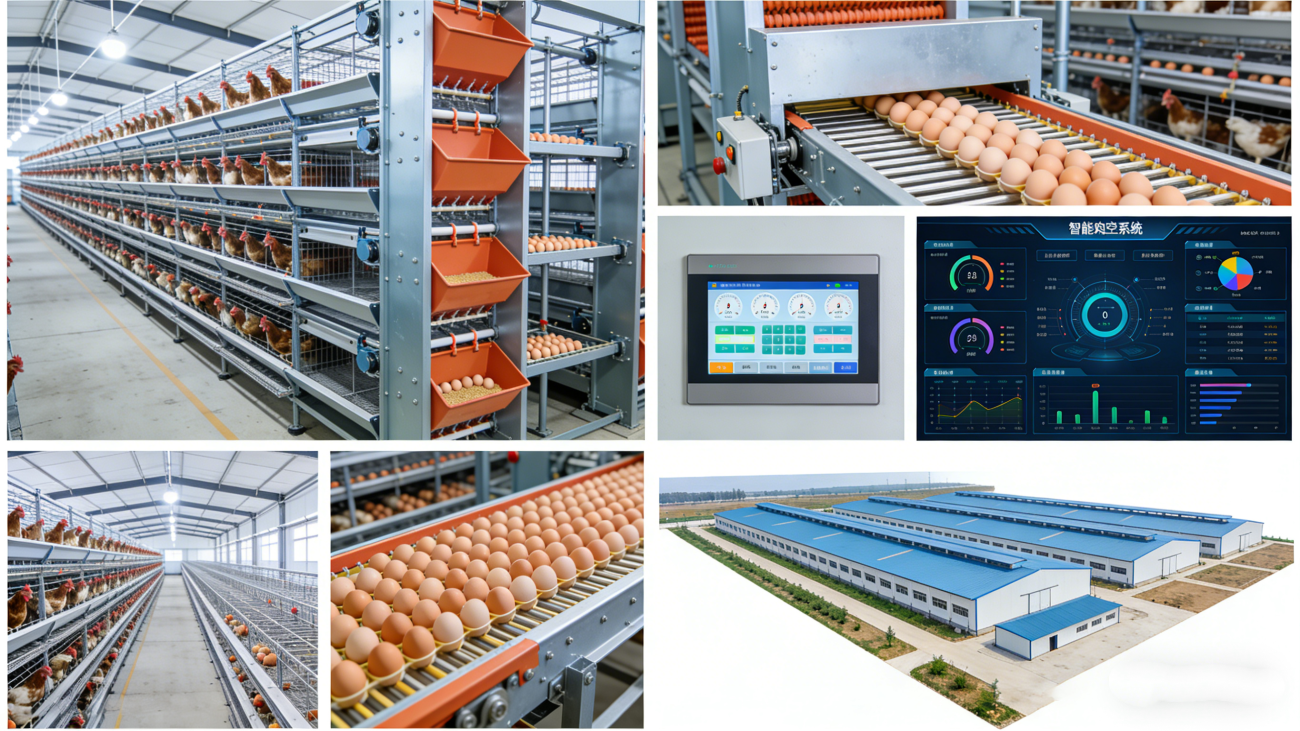
A reliable British egg grading system is essential equipment for farms of all sizes. Whether for small family farms, medium-sized breeding operations, or large-scale egg packaging plants, automated grading systems can replace inefficient and error-prone manual sorting methods, precisely completing the entire process of egg grading, screening, and quality inspection, significantly reducing defective product losses, and ensuring every batch of eggs meets the requirements of UK supermarkets, wholesalers, and official regulations.
Many UK poultry farmers often encounter common pitfalls when selecting equipment: unfamiliarity with local grading standards, purchasing oversized machines that waste budget, choosing undersized units that fail to meet production demands, or using non-compliant machinery that cannot pass supplier inspections. This practical guide is specifically tailored for the UK market, helping you fully understand British egg grading standards, identify appropriate applications for different equipment types, grasp key functional features, and develop a clear selection strategy to choose egg grading systems that suit your farm’s scale, offer durability and compliance, and deliver optimal cost-effectiveness.
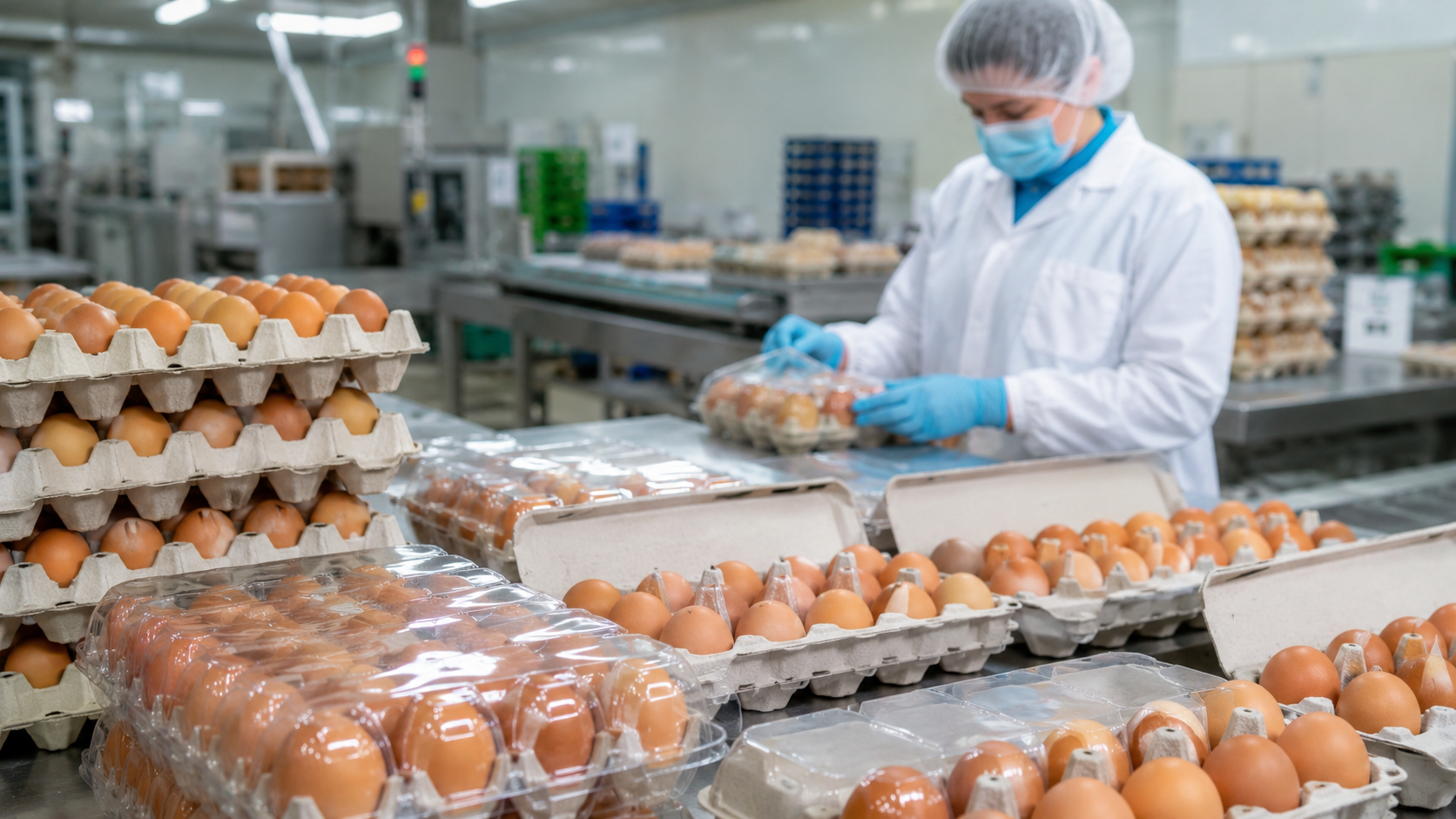

What is an egg grading machine? Why is it crucial for UK farms?
The egg grading equipment is a specialized auxiliary device for poultry farming, designed to perform precise screening and classification of eggs based on weight, size, shell integrity, cleanliness, and internal quality. The new integrated system combines light-based egg inspection, accurate weighing, and automated sorting functions, completely replacing inefficient and labor-intensive manual grading processes while significantly enhancing sorting efficiency and standardization levels.
For British egg producers, compliance-based grading constitutes a fundamental operational requirement. According to UK-EU egg sales regulations, Grade A eggs entering supermarkets must undergo weight grading, defect inspection, and precise labeling. Compliance-oriented automated equipment is no longer an optional upgrade but a mandatory standard feature, effectively mitigating operational risks such as product rejection, return complaints, and official penalties.
Manual grading generally suffers from issues such as inconsistent size classification, missed defect detection, and low efficiency, which can readily compromise product quality and lead to customer loss. Automated grading equipment operates under fully standardized procedures, ensuring precise sorting and uniform product characteristics, and is fully compliant with the supply chain standards for retail, wholesale, and supermarkets in the UK, thereby supporting stable farm shipments and compliant business operations.
Egg grading standards that British farmers must comply with
All egg grading operations in the UK must strictly adhere to official quality and size classification regulations, which specify four core weight categories along with stringent quality assessment criteria. A thorough understanding of these standards is essential for selecting egg grading equipment suitable for the British market.

The official UK standard for egg size classification (based on weight)
Extra Large (XL): 73
grams or more Large (L): 63–72
grams Medium (M): 53–62
grams Small (S): Below 53 grams
In addition to weight grading, UK regulations impose stringent requirements for defect detection. Qualified egg grading equipment must accurately identify and remove non-compliant eggs, including cracked eggs, contaminated eggs, soft-shelled eggs, eggs with abnormal air cells, and internally spoiled eggs. Failure to promptly eliminate defective eggs may lead to customer complaints, loss of partnerships, or even regulatory penalties.
Furthermore, the vast majority of supermarkets and directly operated farm stores in the UK require eggs to meet uniform standards in size and appearance, making automated grading equipment essential for long-term commercial partnerships.
Main types of egg grading equipment used in the UK market
Egg grading equipment can be classified into three major categories based on application scenarios, catering respectively to small family farms in the UK, medium-sized breeding facilities, and large commercial packaging plants. Each type of equipment offers distinct advantages in operational efficiency, sorting accuracy, and cost-effectiveness.
1. Manual/semi-automatic egg sorters (suitable for small UK farms)
The egg grading equipment is a specialized auxiliary device for poultry farming, designed to perform precise screening and classification of eggs based on weight, size, shell integrity, cleanliness, and internal quality. The new integrated system combines light-based egg inspection, accurate weighing, and automated sorting functions, completely replacing inefficient and labor-intensive manual grading processes while significantly enhancing sorting efficiency and standardization levels.
For British egg producers, compliance-based grading constitutes a fundamental operational requirement. According to UK-EU egg sales regulations, Grade A eggs entering supermarkets must undergo weight grading, defect inspection, and precise labeling. Compliance-oriented automated equipment is no longer an optional upgrade but a mandatory standard feature, effectively mitigating operational risks such as product rejection, return complaints, and official penalties.
Manual grading generally suffers from issues such as inconsistent size classification, missed defect detection, and low efficiency, which can readily compromise product quality and lead to customer loss. Automated grading equipment operates under fully standardized procedures, ensuring precise sorting and uniform product characteristics, and is fully compliant with the supply chain standards for retail, wholesale, and supermarkets in the UK, thereby supporting stable farm shipments and compliant business operations.


2. Mid-range fully automatic egg grading machine (suitable for medium-sized breeding facilities)
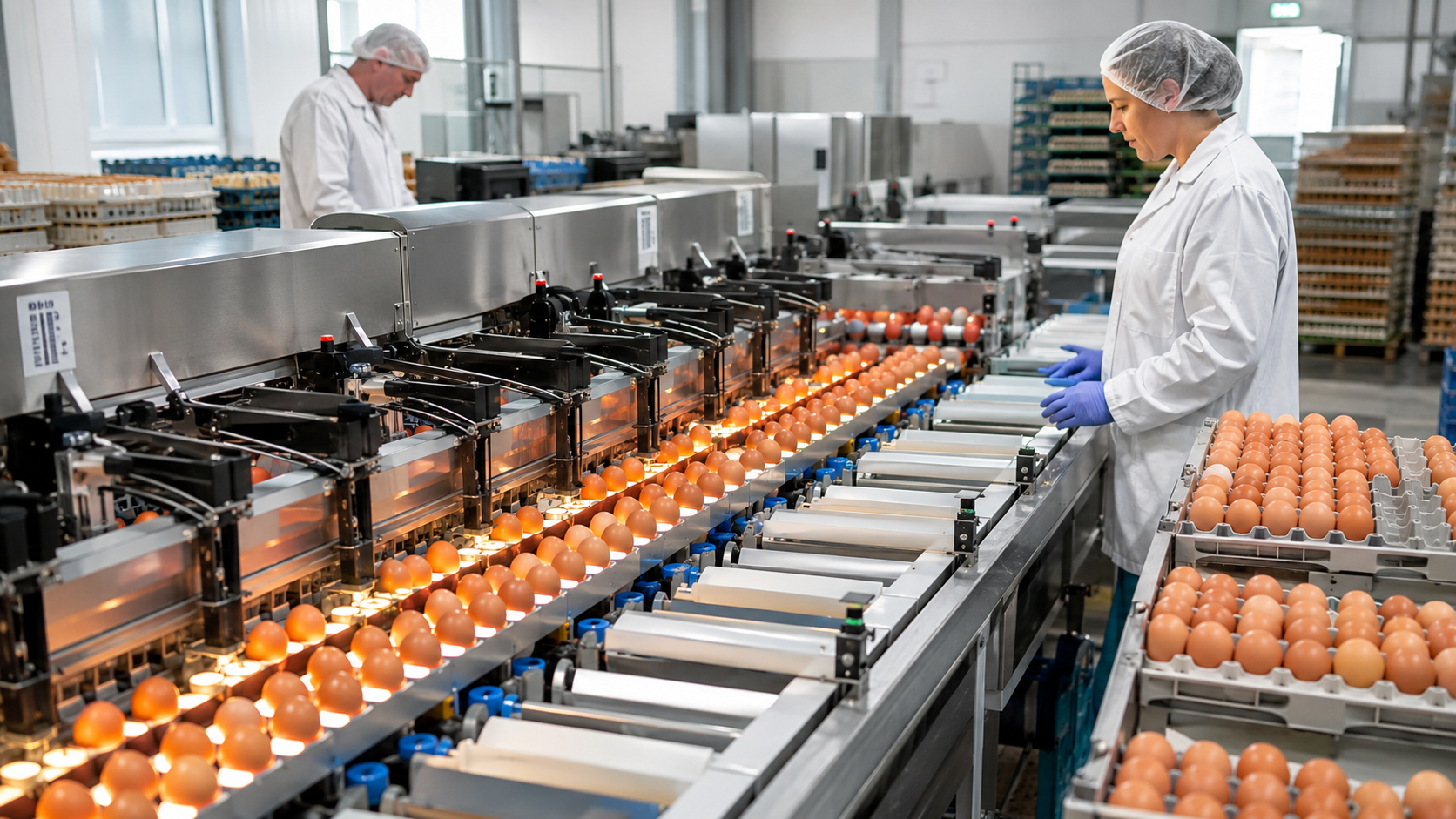
Specifically designed for mature poultry farms and regional suppliers in the UK, this mid-range fully automated grading system integrates electronic weighing, automated light-quality inspection, and multi-grade sorting functions, enabling precise classification of eggs into 4–7 weight categories with a weighing accuracy of ±1 gram—fully compliant with UK retail shipping standards.
The device is equipped with an optical detection system capable of real-time identification of cracked eggs, contaminated eggs, and eggs with internal quality abnormalities, automatically distinguishing between qualified Grade A eggs and defective eggs. Most models are optional equipped with egg labeling and batch coding functions, enabling the printing of production batches, production dates, and farm identifiers to achieve full-chain traceability of products.
Key advantages: Balances efficiency and precision, significantly reduces labor costs, features integrated quality control systems, and can process 2,000 to 10,000 eggs per hour.
3. Industrial-grade fully automated egg grading production line (suitable for large packaging plants)
The high production capacity requirements of major egg processing plants in the UK and nationwide suppliers can be met by industrial-grade fully automated grading production lines. The complete system enables integrated operations throughout the entire process, including automatic egg loading, high-definition lighting-based quality inspection, intelligent weight sorting, defect elimination, labeling, and automated cartoning.
The device is equipped with a PLC-based touch-screen control system and an independent fault diagnosis function, ensuring stable and reliable long-term operation. High-precision sensors can detect subtle eggshell cracks and superficial stains that are imperceptible to the human eye, achieving zero sorting error. The high-end industrial model supports customizable grading criteria and can process up to 40,000 eggs per hour, making it suitable for large-scale commercial production.
Key advantages: fully automated operation, ultra-high production capacity, zero sorting errors, full compliance with regulations, and perfect suitability for large-scale manufacturing.
The core benefits of upgrading professional egg grading equipment in British farms
1. Comprehensive compliance operations:
The UK food regulatory authorities have stringent regulations regarding egg quality control. Automated grading equipment enables 100% standardized sorting and defect elimination, effectively preventing fines, returns, and operational losses caused by non-compliant egg batches.
2. Significant reduction in labor and operational costs:
Manual sorting is time-consuming, labor-intensive, inefficient, and prone to sorting errors. Automated sorting equipment substantially reduces reliance on manual labor, lowers personnel costs, minimizes losses caused by misclassified or defective eggs, and enables UK farms to recover costs rapidly while enhancing profitability.
3. Enhance product quality to earn retailer trust:
Uniformly graded and defect-free high-quality eggs meet the stringent supply standards of UK supermarkets, farm-owned stores, and wholesalers. Consistent superior product quality facilitates the establishment of long-term stable supply partnerships for farms, thereby enhancing brand reputation and competitiveness in the UK poultry market.
4. Flexible production capacity expansion:
From small semi-automatic equipment tailored for start-up farms to industrial production lines suitable for large packaging plants, the UK offers a comprehensive range of egg sorting devices that can be flexibly upgraded and scaled according to farm development needs, ensuring sorting accuracy while supporting enterprise-scale growth.


How to Select Suitable Egg Sorting Equipment for British Farms
For small family-owned or startup farms with a weekly egg production of less than 5,000 eggs, a compact semi-automatic egg sorter is recommended. This equipment offers high cost-effectiveness, requires minimal space, and features simple operation, making it fully suitable for the operational needs of small-scale farms engaged in local retail sales or niche supply markets.
Medium-sized farming operations that supply regional retailers and wholesalers require the use of mid-range fully automated sorters. These systems leverage integrated defect detection and spray-label traceability capabilities to balance production efficiency with product quality while ensuring stable supply channels.
Large-scale commercial egg packaging manufacturers engaged in mass production must be equipped with industrial-grade fully automated grading production lines. These systems, featuring ultra-high production capacity, intelligent control systems, and automatic cartoning capabilities, significantly enhance production efficiency and meet the demands of large-volume market supply.
Conclusion
For all UK poultry farming enterprises, purchasing high-quality British egg grading equipment is a key measure for achieving compliant operations, enhancing profitability, and strengthening market competitiveness. Whether you operate a local small-scale farm or a large commercial packaging company, appropriate automated grading equipment can optimize production processes, eliminate sorting errors, ensure full compliance throughout the process, comprehensively improve egg product quality, and meet UK retail market standards.
For product and solution consultations, please contact Guangxing’s professional team for customized advice: WhatsApp: 00852-46090144 or [Phone/WeChat]: 0086-17876668787