


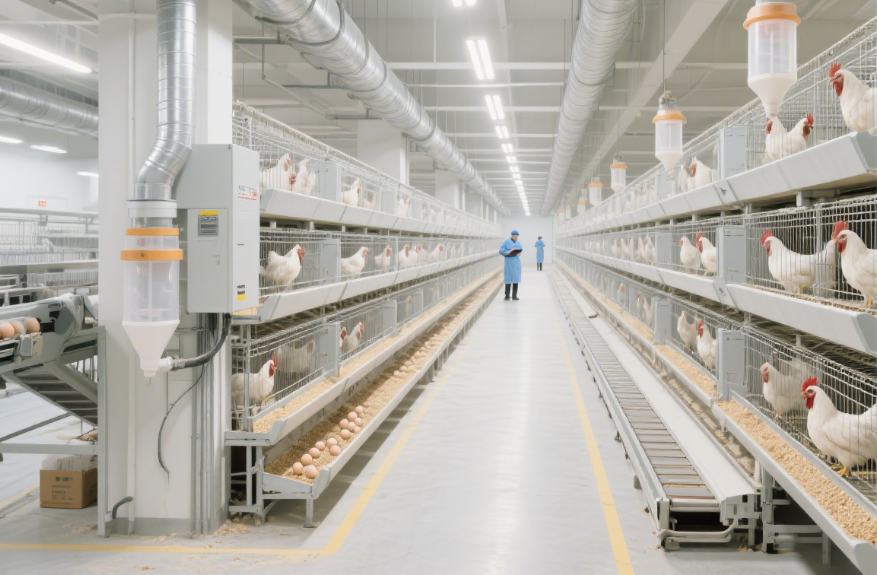
In the dynamic world of poultry farming, selecting the right cage system is a decision that directly impacts productivity, animal welfare, and long-term profitability. With a wide range of options available—from conventional battery cages to enriched colony systems and aviaries—farmers often face the challenge of identifying which solution best aligns with their operational goals, flock size, and regulatory requirements. This article explores the key types of poultry cage systems, their advantages and limitations, and the factors to consider when choosing the best one for your farm. By the end, you’ll have a clear understanding of how to select a system that balances efficiency, sustainability, and animal well-being.
Understanding the Role of Poultry Cage Systems
Poultry cage systems are designed to house chickens, turkeys, and other poultry in a controlled environment that protects them from predators, harsh weather, and disease, while optimizing space utilization and simplifying management. The right system can reduce mortality rates, improve feed conversion efficiency, and streamline daily operations such as feeding, watering, and waste removal. However, not all cage systems are created equal—each type is engineered to address specific needs, whether for egg-laying hens, broilers, or pullets.
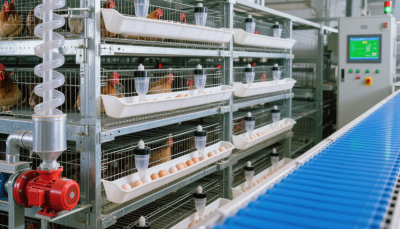
The “best” poultry cage system is not a one-size-fits-all solution. It depends on factors such as:
- The type of poultry (layers, broilers, or breeders)
- Farm size and available space
- Budget and long-term investment goals
- Local regulations on animal welfare and housing
- Labor availability and management style
- Sustainability priorities (e.g., waste reduction, energy efficiency
Key Types of Poultry Cage Systems
1. Conventional Battery Cages
Conventional battery cages are the most traditional and widely used system for egg-laying hens. These are stacked, wire-mesh cages that house multiple hens in a compact space, typically with 4–8 birds per cage. The design focuses on maximizing density—allowing up to 60–80 birds per square meter—and simplifying management.
Advantages:
- High space efficiency, ideal for large-scale operations with limited land.
- Low labor requirements, as feeding, watering, and egg collection can be automated.
- Reduced risk of disease transmission due to controlled contact between birds.
- Lower initial investment compared to more complex systems.
Limitations:
- Criticized for limited space, restricting natural behaviors like nesting, perching, and dust bathing.
- May face regulatory restrictions in regions with strict animal welfare laws (e.g., the European Union, where battery cages are banned).
- Higher risk of feather pecking and stress due to overcrowding if not properly managed.
Best for: Large commercial egg farms prioritizing maximum production efficiency and operating in regions with lenient welfare regulations.
2. Enriched Colony Cages
Enriched colony cages (also known as furnished cages) were developed as a middle ground between battery cages and cage-free systems. These larger cages provide hens with additional space and amenities, such as nesting boxes, perches, and scratch areas, to encourage natural behaviors.
Advantages:
- Compliance with strict animal welfare standards (e.g., EU regulations, Global Animal Partnership guidelines).
- Improved hen welfare compared to battery cages, reducing stress and feather pecking.
- Maintains the efficiency of cage systems, including automated feeding and egg collection.
- Lower mortality rates than cage-free systems, as birds are protected from predators and environmental hazards.
Limitations:
- Higher initial cost than battery cages due to larger size and added features.
- Slightly lower density (typically 30–50 birds per square meter), requiring more space.
Best for: Farms aiming to balance efficiency with improved animal welfare, particularly those targeting premium markets or operating in regulated regions.
3. Aviary Systems
Aviary systems are multi-tiered, cage-free housing structures that allow hens to move freely across different levels, including perches, nesting areas, and foraging zones. These systems mimic natural environments more closely than cage-based options, promoting physical activity and natural behaviors.

Advantages:
- Excellent animal welfare credentials, appealing to consumers seeking cage-free eggs.
- Reduced stress and improved bird health due to increased space and behavioral opportunities.
- Flexibility in design, with options for floor-raised or free-range integration.
Limitations:
- Higher labor costs, as manual intervention may be needed for egg collection and waste management.
- Increased risk of disease transmission due to greater bird interaction.
- Lower density (10–15 birds per square meter), requiring more land and higher initial investment.
- Higher egg breakage rates compared to cage systems, as eggs may be laid in non-designated areas.
Best for: Medium to large farms targeting cage-free or organic markets, with sufficient land and labor resources.
4. Broiler Cages
Broiler cages are specifically designed for meat chickens, focusing on supporting rapid growth while minimizing movement to reduce muscle development (which can affect meat quality). These cages are typically shallower than layer cages, with slatted floors to facilitate waste removal.
Advantages:
- Controlled feeding, ensuring optimal growth rates and feed conversion efficiency.
- Reduced contact with manure, lowering the risk of diseases like coccidiosis.
- Easy monitoring of individual bird health and growth.
Limitations:
- Limited space, which can lead to leg problems in fast-growing breeds if not properly managed.
- Regulatory scrutiny in some regions due to welfare concerns.
Best for: Commercial broiler operations prioritizing rapid, uniform growth and efficient waste management.
5. Pullet Cages
Pullet cages are designed for young hens (pullets) between 0–18 weeks of age, focusing on supporting healthy development before they enter the laying phase. These cages are smaller than layer cages, with adjustable features to accommodate growing birds.
Advantages:
- Controlled environment to prevent disease and ensure uniform growth.
- Easy to clean and maintain, reducing the risk of contamination.
- Automated feeding systems that provide age-appropriate nutrition.
Best for: Integral to layer farms, ensuring pullets reach maturity in optimal condition for egg production.
Factors to Consider When Choosing a Poultry Cage System
1. Animal Welfare Compliance
Regulations on poultry housing vary widely by region. For example, the EU banned conventional battery cages in 2012, requiring enriched systems or cage-free alternatives. In the United States, some states (e.g., California) have enacted laws mandating more spacious housing. Farmers must ensure their chosen system meets local and target market requirements to avoid penalties or market access issues.
2. Production Goals
Egg-laying operations prioritizing high output may lean toward enriched colony cages, while those targeting cage-free premiums may opt for aviaries. Broiler farms, on the other hand, focus on systems that support rapid growth and minimize movement.

3. Space and Land Availability
Cage systems (battery, enriched) require less land per bird, making them suitable for farms with limited space. Aviary and free-range systems need more land but offer welfare benefits that appeal to certain markets.
4. Labor and Automation
Automated systems (e.g., enriched cages with conveyor belt egg collection) reduce labor needs, making them ideal for farms with limited staff. Aviary systems, which often require manual egg collection, demand more labor.
When investing in a poultry cage system, partnering with a manufacturer that combines expertise, quality, and customization is essential.
1. Customized Solutions for Every Operation
Guangxing understands that no two farms are the same. Our team of engineers works closely with clients to design cage systems tailored to their poultry type (layers, broilers, pullets), flock size, and operational goals. Whether you need compact battery cages for high-density production or enriched colonies for welfare compliance, we deliver systems that integrate seamlessly with your farm layout.Learn more at Guangxin IOT.
2. Compliance with Global Standards
Our cage systems meet or exceed international regulations for animal welfare, including EU standards, FDA guidelines, and Global Animal Partnership requirements. This ensures that your operation can access premium markets worldwide, from Europe to North America and beyond.
3. High-Quality, Durable Materials
Guangxing’s cages are constructed using galvanized steel and food-grade materials that resist corrosion, withstand harsh farm environments, and ensure longevity. Each component undergoes rigorous testing to ensure durability, reducing maintenance costs and extending the system’s lifespan.
4. Advanced Automation Integration
We integrate state-of-the-art automation features, such as automated feeding, watering, egg collection, and waste removal systems, to minimize labor costs and maximize efficiency. Our smart control panels allow for remote monitoring, giving farmers real-time insights into flock performance and system status.
5. Focus on Sustainability
Guangxing’s cage systems are designed to reduce environmental impact, with features like efficient waste management systems that convert manure into fertilizer, and energy-saving components that lower operational costs. This commitment to sustainability aligns with the growing demand for eco-friendly farming practices.
Conclusion: Choosing the Best System for Your Farm
The “best” poultry cage system depends on your unique needs, from production goals and regulatory compliance to space and budget. Whether you prioritize efficiency, animal welfare, or market access, the right system will balance these factors to deliver long-term profitability.
For farmers seeking a reliable, high-performance solution.
GuangxingAnimal husbandry group offers the expertise, quality, and customization needed to optimize your poultry operation. With a focus on innovation, compliance, and durability, Guangxing’s cage systems are designed to grow with your farm, ensuring success in an ever-evolving industry.



