


Introduction
The global poultry industry has become one of the fastest-growing agricultural sectors, contributing significantly to food security and economic development. With chicken meat and eggs ranking among the most consumed animal protein sources worldwide, more entrepreneurs are exploring opportunities in the chicken poultry business.
Starting a poultry business, however, requires more than just purchasing chicks and feed. Success depends on careful planning, investment in reliable equipment, understanding market dynamics, and implementing sustainable practices. This comprehensive guide explores everything you need to know about starting and running a successful chicken poultry business, from market research and production systems to farm management and profitability strategies.
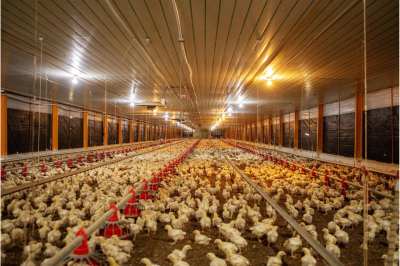
Why Invest in the Chicken Poultry Business?
High Market Demand
Chicken is affordable, nutritious, and widely accepted across different cultures and religions. With global population growth and rising incomes, demand for chicken meat and eggs continues to increase.
Quick Returns
Broiler chickens mature within 6–8 weeks, providing a fast turnover rate. Layer hens start producing eggs within 18–20 weeks, ensuring a steady income stream.
Scalability
Whether you start with 500 birds or 50,000, poultry farming allows for easy scaling depending on your resources and goals.
Diverse Income Sources
Farmers can generate revenue not only from meat and eggs but also from manure sales, by-products, and value-added processing.
Job Creation
Poultry farming creates employment opportunities in rural and urban areas, from farm workers to distributors and retailers.
Key Segments of the Chicken Poultry Business
A successful poultry venture usually focuses on one or more of the following areas:
1. Broiler Production
Broilers are chickens raised primarily for meat. Their rapid growth rate and high feed efficiency make them ideal for commercial meat production.
Growth Cycle: 6–8 weeks
Market: Restaurants, supermarkets, wholesale distributors, and local wet markets
2. Layer Production
Layers are hens raised for egg production. They are typically housed in layer chicken cages for better management and higher productivity.
Laying Period: 72–78 weeks
Output: 250–300 eggs per hen annually
Market: Wholesalers, supermarkets, bakeries, and households
3. Hatchery Operations
Some poultry entrepreneurs specialize in hatching and selling day-old chicks to other farmers. Hatchery businesses require technical expertise and high-quality incubation equipment.
4. Value-Added Products
Farmers can expand beyond fresh meat and eggs by processing poultry into products like frozen chicken cuts, ready-to-cook meals, packaged eggs, or organic fertilizers made from manure.

Steps to Start a Chicken Poultry Business
1. Conduct Market Research
Before starting, analyze your local market demand, customer preferences, and competitor strategies. Identify whether broilers, layers, or both have higher profit potential in your area.
2. Develop a Business Plan
A detailed business plan should cover:
Objectives and mission statement
Production system (broiler, layer, hatchery, or integrated)
Marketing strategy
Financial projections
Risk management plans
3. Choose the Right Location
The farm location should have:
Easy access to markets and suppliers
Adequate water and electricity supply
Good biosecurity (distance from other farms to reduce disease risk)
4. Select Poultry Housing Systems
Housing design has a direct impact on bird health and productivity. Options include:
Deep litter system: Birds raised on floor bedding, lower cost but higher disease risk
Cage system: Birds housed in cages (A-type or H-type), higher efficiency and egg production
Automated systems: Equipped with feeding, drinking, and manure removal technology for large-scale farms
5. Source High-Quality Chicks and Feed
Work with reputable hatcheries and feed suppliers to ensure healthy growth and maximum productivity.
6. Invest in Equipment
Essential poultry equipment includes:
Feeding and watering systems
Layer or broiler cages
Egg collection conveyors
Manure removal systems
Climate control and ventilation equipment
7. Farm Management and Labor
Hire skilled workers or train local staff in poultry handling, disease prevention, and equipment operation.
8. Marketing and Sales
Build partnerships with wholesalers, retailers, restaurants, and food processors. Develop branding strategies for packaged eggs and processed chicken products.
Challenges in the Chicken Poultry Business
Disease Outbreaks – Avian influenza and Newcastle disease can cause huge losses. Preventive vaccination and strict biosecurity are essential.
Feed Cost Fluctuations – Since feed accounts for up to 70% of poultry production costs, price increases can affect profitability.
Market Volatility – Sudden drops in egg or meat prices can reduce income.
Initial Capital Requirement – Setting up a large-scale farm requires significant investment in land, housing, and equipment.
Regulatory Compliance – Farmers must adhere to animal welfare, food safety, and environmental protection standards.
How to Maximize Profitability in Poultry Farming
Adopt Modern Equipment – Automated cages and feeding systems reduce labor and increase production efficiency.
Focus on Biosecurity – Healthy flocks mean higher productivity and reduced veterinary costs.
Improve Feed Efficiency – Use high-quality feed and consider feed formulation strategies.
Diversify Income – Add value through egg packaging, frozen chicken, or organic manure sales.
Leverage Technology – Use farm management software to track production, health, and financial performance.
Build Reliable Distribution Channels – Secure long-term contracts with wholesalers and retailers.
Global Trends in the Chicken Poultry Business
Automation: The adoption of advanced poultry equipment such as automatic feeders, drinkers, and manure cleaning systems is transforming efficiency.
Organic and Free-Range Production: Consumers are increasingly willing to pay premium prices for healthier, ethically produced chicken.
Sustainability: Farms are adopting eco-friendly practices, including waste recycling and renewable energy solutions.
Vertical Integration: Large poultry companies manage the entire supply chain from breeding to processing and distribution.

Sample Financial Outlook
For a medium-sized poultry farm with 5,000 broilers and 3,000 layers:
Startup Costs: $100,000 (land, cages, equipment, chicks, feed)
Annual Operating Costs: $60,000
Annual Revenue: $120,000 (egg sales, broiler sales, manure sales)
Profit Margin: 25–30%
Break-even Period: 18–24 months
Conclusion
The chicken poultry business is a rewarding agricultural venture that offers consistent demand, quick returns, and multiple revenue streams. With the right planning, modern equipment, and effective management strategies, poultry farming can deliver long-term profitability and sustainability.
For farmers aiming to scale their operations and achieve higher productivity, choosing reliable equipment suppliers is essential.
Guangzhou Guangxing Poultry Equipment Group Co., Ltd. is a trusted global manufacturer of advanced poultry farming systems. With decades of expertise, Guangxing specializes in layer chicken cages, broiler cages, automated feeding systems, egg collection conveyors, and climate control equipment. Their innovative technology, high durability, and excellent after-sales support make them the ideal partner for farmers looking to succeed in the competitive poultry industry.


