


In the evolving landscape of agricultural productivity, efficient poultry housing has emerged as a cornerstone of successful poultry farming operations. As global demand for poultry products continues to rise, farmers are increasingly recognizing that optimized housing systems directly impact bird health, productivity, and overall farm profitability. This comprehensive guide explores the essential elements of efficient poultry housing, highlighting how thoughtful design and modern technologies can create sustainable, high-performance environments for poultry production.
Core Design Principles for Efficient Poultry Housing
The foundation of efficient poultry housing lies in strategic design that addresses the biological needs of poultry while maximizing operational efficiency. Proper ventilation stands as the most critical design element, as poultry are highly sensitive to air quality and temperature fluctuations. A well-designed ventilation system ensures consistent air exchange, removing excess moisture, ammonia, and carbon dioxide while maintaining optimal oxygen levels. This not only prevents respiratory issues but also regulates temperature—keeping birds cool in summer and warm in winter without excessive energy consumption.
Space utilization is another fundamental principle of efficient housing design. Overcrowding leads to increased stress, aggression, and disease transmission among poultry, significantly reducing productivity. Efficient systems provide adequate floor space per bird based on species and growth stage, typically ranging from 0.3 to 0.5 square meters per broiler and 0.5 to 1 square meter per layer. Strategic layout planning, including optimized feeder and drinker placement, minimizes movement restrictions and ensures all birds have equal access to resources.
Lighting design represents a third critical component of efficient housing. Research shows that controlled lighting schedules influence poultry growth rates, egg production, and feed conversion efficiency. Modern systems utilize energy-efficient LED lighting with programmable timers to simulate natural daylight cycles, promoting healthy biological rhythms. For layers, specific light intensity and duration protocols can extend productive laying periods, while broiler operations use gradual lighting adjustments to optimize feed intake and growth.

Essential Components of High-Performance Poultry Housing
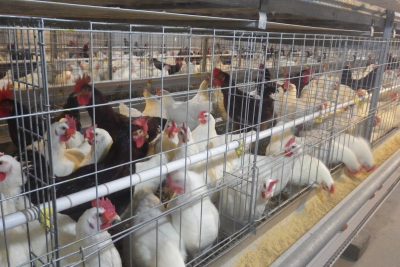
Efficient poultry housing integrates several key components that work together to create an optimal production environment. Flooring systems play a vital role in both bird health and operational efficiency. Slatted floors, for example, allow manure to fall through to collection systems below, reducing direct contact between birds and waste—thus minimizing disease risks. Alternatively, deep litter systems use organic materials that compost naturally, providing insulation and reducing maintenance requirements while producing valuable fertilizer as a secondary product.
Climate control systems have evolved significantly to become central components of efficient housing. Modern installations combine heating, cooling, and humidity regulation to maintain the ideal microclimate for poultry. Heat exchangers and energy recovery systems capture waste heat from ventilation air, reducing overall energy consumption. Evaporative cooling systems provide effective temperature reduction in hot climates without the high energy costs of traditional air conditioning, ensuring birds remain comfortable and productive even during heat waves.
Feeding and watering systems represent critical points of efficiency in poultry housing. Automated feeding systems with timed distribution ensure precise portion control, reducing feed waste while providing consistent nutrition. Similarly, nipple drinker systems deliver clean water directly to birds, minimizing spillage and contamination compared to traditional trough systems. These automated systems not only improve resource efficiency but also reduce labor requirements, allowing farmers to focus on other critical aspects of operation management.
Technology Integration for Enhanced Efficiency
The digital transformation of agriculture has brought significant advancements to poultry housing efficiency through smart technology integration. Environmental monitoring systems equipped with sensors continuously track temperature, humidity, ammonia levels, and air flow within housing facilities. This real-time data is transmitted to central management platforms, enabling farmers to make immediate adjustments or set up automated responses to maintain optimal conditions. Early detection of environmental anomalies prevents potential health crises and production losses.
Automation technology has revolutionized labor-intensive aspects of poultry management. Robotic systems can now perform tasks such as egg collection, manure removal, and even health monitoring through computer vision technology. These automated solutions operate with consistent precision 24/7, reducing human error and freeing up farm personnel for more skilled management duties. In large-scale operations, this technology integration can reduce labor costs by 30-50% while improving overall operational consistency.
Data analytics platforms are becoming essential tools for optimizing poultry housing efficiency over time. By collecting and analyzing data on environmental conditions, feed consumption, growth rates, and health metrics, these systems identify patterns and inefficiencies that might otherwise go unnoticed. Farmers can use these insights to fine-tune ventilation settings, adjust feeding schedules, and implement preventive maintenance—continuously improving performance and reducing resource waste. Predictive analytics even allow for anticipating potential issues before they impact production.
Economic and Environmental Sustainability Benefits
Efficient poultry housing delivers substantial economic benefits through reduced operational costs and improved productivity. Energy-efficient systems typically reduce utility expenses by 20-40% compared to traditional housing facilities. Automated feeding systems minimize feed waste, which can account for up to 15% of total feed costs in inefficient operations. Perhaps most significantly, healthier birds in optimized environments demonstrate improved feed conversion ratios—requiring less feed to produce each kilogram of weight gain or dozen eggs—directly boosting profit margins.
From an environmental perspective, efficient housing plays a crucial role in sustainable poultry production. Manure management systems in modern facilities capture and process waste for use as organic fertilizer or biogas production, reducing methane emissions and nutrient runoff into waterways. Energy-efficient designs and renewable energy integration, such as solar-powered lighting and ventilation, lower the carbon footprint of poultry operations. Water-saving technologies reduce consumption by up to 50% compared to conventional systems, addressing growing concerns about agricultural water usage.
The health and welfare benefits of efficient housing translate directly to product quality and marketability. Birds raised in low-stress environments with optimal conditions produce meat and eggs with better nutritional profiles and fewer quality defects. In an era of increasing consumer awareness about animal welfare, farms utilizing efficient housing systems can often access premium markets and achieve better pricing for their products. Additionally, reduced antibiotic use in healthier flocks aligns with consumer demands for more sustainable, responsibly produced poultry products.
Implementing Efficient Housing Solutions
Transitioning to efficient poultry housing requires careful planning and consideration of specific operational needs. Farmers should conduct a thorough assessment of their current facilities, identifying areas of inefficiency such as high energy use, poor ventilation, or excessive waste. Working with agricultural engineers and poultry housing specialists can help design customized solutions that balance initial investment with long-term returns. Many efficient technologies offer rapid payback periods, often within 2-3 years through reduced operational costs.
For existing operations, incremental improvements can deliver significant efficiency gains without full facility replacement. Upgrading to LED lighting, installing more efficient ventilation fans, or adding environmental sensors to monitor conditions can provide immediate benefits. Retrofitting manure management systems reduces waste handling costs while creating valuable byproducts. Farmers should prioritize upgrades based on their specific climate challenges, whether extreme temperatures, humidity issues, or air quality concerns.
Continuous monitoring and adaptation represent the final piece of successful efficient housing implementation. Even the best-designed systems require regular evaluation and adjustment as operational needs evolve. Farmers should establish performance metrics for energy use, water consumption, feed efficiency, and bird health to track improvements over time. Participating in industry knowledge networks and staying updated on new technologies ensures that housing systems continue to deliver optimal efficiency throughout their operational lifespan.
Efficient poultry housing represents a smart investment in the future of poultry farming, combining economic profitability with environmental sustainability and animal welfare. By integrating thoughtful design principles, essential efficiency components, and modern technologies, farmers can create housing systems that support healthy, productive flocks while minimizing resource use and environmental impact. As the poultry industry continues to evolve, efficient housing will remain a key factor in meeting global demand for high-quality poultry products in a sustainable manner. For farmers looking to enhance their operations, prioritizing housing efficiency offers a clear path to improved performance and long-term success.


