


Introduction
In Southeast Asia, poultry farmers face one of the most challenging production environments in the world. High temperatures, extreme humidity, long rainy seasons, and unstable weather patterns directly affect layer performance, egg quality, and farm profitability.
As egg producers shift toward larger-scale and more intensive operations, the traditional approach of relying on natural ventilation is no longer sufficient. This has made the layer house climate control system a critical component of modern poultry farming.
A well-designed climate control system not only stabilizes the internal environment of the layer house, but also allows farmers to remotely monitor house conditions in real time, reducing risks and improving management efficiency.
This article explains how layer house climate control systems work, why they are essential for Southeast Asia, and how smart, remotely monitored solutions are shaping the future of egg production.
Why Climate Control Is Critical for Layer Houses in Southeast Asia
Tropical Climate Challenges
Countries such as Indonesia, Vietnam, Thailand, Malaysia, and the Philippines share similar climatic conditions:
Average temperatures of 26–33°C
Relative humidity often exceeding 70–90%
Sudden rainfall and seasonal monsoons
Limited natural airflow in many regions
These conditions can lead to:
Heat stress in laying hens
Reduced feed intake
Lower egg production and egg weight
Poor shell quality
Increased mortality and disease pressure
Without proper climate control, even high-quality layer breeds cannot reach their genetic production potential.
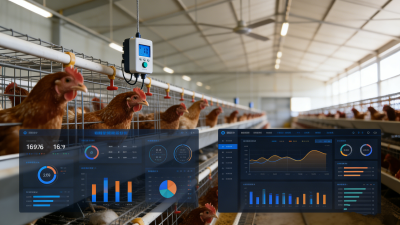
What Is a Layer House Climate Control System?
A layer house climate control system is an integrated solution that automatically manages the temperature, humidity, airflow, and air quality inside the poultry house.
The system uses sensors, controllers, and mechanical equipment to maintain a stable and comfortable environment for laying hens—regardless of external weather conditions.
Core Objectives of Climate Control
Maintain optimal temperature for egg production
Control humidity to prevent respiratory issues and wet manure
Ensure sufficient fresh air and oxygen
Remove excess heat, moisture, dust, and harmful gases
Reduce stress and improve bird welfare
Key Components of a Layer House Climate Control System
1. Ventilation Syste
Ventilation is the foundation of climate control in Southeast Asia.
Common ventilation designs include:
Cross ventilation for small to medium houses
Tunnel ventilation for large-scale commercial farms
Main equipment:
Exhaust fans
Air inlets
Wind guides and airflow channels
Proper ventilation helps:
Remove heat and moisture
Reduce ammonia concentration
Maintain uniform temperature across the house
2. Cooling System
Due to high ambient temperatures, cooling systems are essential.
Popular cooling solutions:
Evaporative cooling pads
Fogging or misting systems
Combined cooling + ventilation designs
Cooling systems can reduce the effective temperature inside the layer house by 5–10°C, significantly reducing heat stress.
3. Heating (for Brooding or High-Altitude Areas)
Although Southeast Asia is generally hot, heating may still be required:
During brooding periods
In highland regions
At night during rainy seasons
Heating systems are usually integrated with the climate controller to operate automatically when needed.
4. Environmental Sensors
Modern climate control systems rely on sensors to collect real-time data, including:
Temperature
Humidity
Ammonia (NH₃)
Carbon dioxide (CO₂)
Air pressure
These sensors ensure accurate environmental feedback for automated adjustments.
Smart Control and Automation: The Brain of the System
Intelligent Climate Controllers
The climate controller processes sensor data and automatically adjusts:
Fan speed
Air inlet opening
Cooling pad operation
Alarm systems
This eliminates manual guesswork and ensures stable, consistent conditions throughout the day.

Remote Monitoring: View Your Layer House Anytime, Anywhere
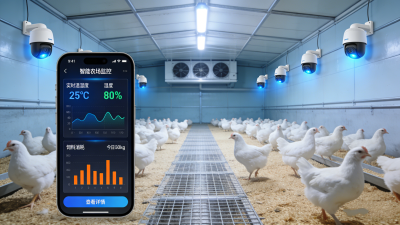
One of the most valuable features of modern layer house climate control systems is remote monitoring and management.
What Can Be Monitored Remotely?
Through a mobile app or web platform, farmers can remotely view:
Real-time temperature and humidity
Ventilation and fan status
Cooling system operation
Alarm notifications
Historical environmental data
Power supply status
Whether you are at home, in the office, or visiting another farm, you can check the condition of your layer house at any time.
Benefits of Remote Monitoring for Southeast Asia Farms
✅ Immediate response to heat stress risks
✅ Reduced need for on-site supervision
✅ Early warning of equipment failure
✅ Better decision-making based on data
✅ Lower management and labor costs
Remote access is especially valuable for farms managing multiple houses or multiple locations.
Integration with Automated Layer Equipment
A climate control system works best when integrated with:
Automatic feeding systems
Nipple drinking systems
Egg collection systems
Manure removal systems
This creates a fully automated layer house, improving efficiency and production consistency.
Optimal Environmental Parameters for Layer Houses
For most commercial layer breeds, the recommended conditions are:
Temperature: 18–27°C
Relative humidity: 60–70%
Air velocity: Adjusted by bird age and density
Ammonia level: < 20 ppm
Lighting: 14–16 hours per day
Climate control systems maintain these parameters automatically, even under extreme outdoor conditions.
Economic Benefits of Climate Control Systems
Higher Egg Production
Stable environmental conditions can result in:
Increased laying rate
Better egg weight consistency
Improved shell strength
Reduced Mortality and Disease
Proper airflow and humidity control reduce:
Respiratory diseases
Bacterial growth
Stress-related losses
Improved Feed Efficiency
Birds under thermal comfort:
Eat more consistently
Convert feed more efficiently
Maintain stable body weight

Faster Return on Investment (ROI)
Although climate control systems require investment, farms often recover costs through:
Higher production output
Lower mortality
Reduced labor requirements
Longer equipment lifespan
Climate Control System Design for Southeast Asia
When designing a system for Southeast Asia, key considerations include:
High-capacity fans for humid environments
Corrosion-resistant materials
Backup power solutions (generators or UPS)
Scalable systems for future expansion
User-friendly control interfaces
A customized design is essential—one solution does not fit all farms.
Future Trends: Smart and Data-Driven Poultry Farming
Climate control systems are evolving toward:
IoT-based farm management platforms
AI-assisted climate optimization
Predictive alerts for disease and heat stress
Cloud-based data storage and analysis
Integration with farm ERP systems
These technologies support precision poultry farming, which is becoming the standard across Southeast Asia.
Why Choose Guangxin Layer House Climate Control Solutions?
At Guangxin, we design and supply layer house climate control systems optimized for tropical climates.
Our solutions offer:
Customized ventilation and cooling design
Intelligent controllers with remote access
Real-time monitoring via mobile devices
Reliable performance under high humidity
Integration with complete layer cage systems
Whether you operate a semi-closed or fully closed layer house, Guangxin provides scalable solutions tailored to Southeast Asia’s conditions.

Conclusion
In Southeast Asia’s challenging climate, a layer house climate control system is no longer optional—it is essential.
By maintaining stable environmental conditions and enabling remote monitoring of house status, modern climate control systems help poultry farmers:
Protect bird welfare
Maxiize egg production
Reduce operational risks
Improve long-term profitability
As the region’s poultry industry continues to modernize, farms that invest in intelligent climate control will gain a clear competitive advantage.
The future of layer farming in Southeast Asia lies in smart, connected, and climate-controlled poultry houses.


