


1. Introduction
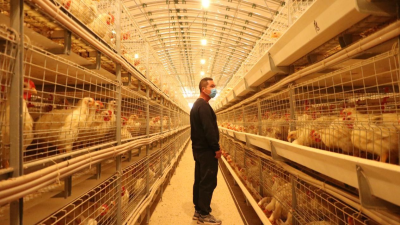
Poultry farming in Africa has been expanding rapidly, driven by growing demand for affordable protein and the need for sustainable farming practices. To maximize productivity, many farmers are adopting A frame chicken cages, which are known for their simplicity, durability, and suitability for different scales of poultry production. One of the most important factors when choosing cages is understanding their dimensions, as this directly affects bird comfort, stocking density, and farm efficiency.
This article will guide African poultry farmers through the essential aspects of A frame chicken cage dimensions, including standard sizes, space requirements, and practical considerations for local conditions.
2. Standard Dimensions of A Frame Chicken Cages
A frame chicken cages typically come in two to four tiers, depending on the scale of the farm. While dimensions may vary slightly among suppliers, common sizes include:
Length: 1.8m – 2.0m per unit
Width: 1.5m – 1.8m
Height (per tier): 0.45m – 0.5m
Total height (3 tiers): 1.5m – 1.6m
In Africa, many farmers prefer two- or three-tier systems due to easier management, reduced construction cost, and lower water pressure requirements.
3. Space Requirement Per Bird
The dimensions of A frame cages must align with recommended stocking densities to ensure healthy growth. For layer chickens:
Standard recommendation: 450–550 cm² per bird
Small farms: 90–96 birds per unit (3 tiers)
Medium farms: 120–144 birds per unit (4 tiers)
African farmers should consider local climate conditions: in hot regions, slightly lower stocking densities are preferred to reduce heat stress and mortality rates.
4. Benefits of Proper Cage Dimensions
Choosing the right A frame cage size brings several benefits:
Improved Bird Health: Adequate space reduces stress and aggression.
Better Egg Production: Proper dimensions allow hens to eat and rest comfortably, leading to higher laying rates.
Easier Management: A well-structured cage size ensures convenient feeding, egg collection, and cleaning.
Longer Cage Lifespan: Optimized dimensions prevent overcrowding and reduce damage to the cage structure.
5. Local Considerations for African Poultry Farms
When applying cage dimensions in African contexts, farmers should adapt to local realities:
Climate: Ventilation is critical. Wider cage spacing and open-sided poultry houses improve airflow.
Water Supply: Two-tier systems are often better for farms with limited or inconsistent water pressure.
Cost Efficiency: A frame cages require less capital than H frame cages, making them ideal for small to medium African farms.
Scalability: Farmers can start with a small number of units and expand as demand grows.
6. Conclusion
For African poultry farmers, understanding A frame chicken cage dimensions is key to balancing cost, bird welfare, and productivity. Standard cage sizes can be customized to local farm conditions, ensuring efficiency and profitability.
If you are considering upgrading your poultry farm in Africa, A frame cages remain one of the best investments. They are affordable, durable, and adaptable—helping farmers produce high-quality eggs and meat while maximizing space.



