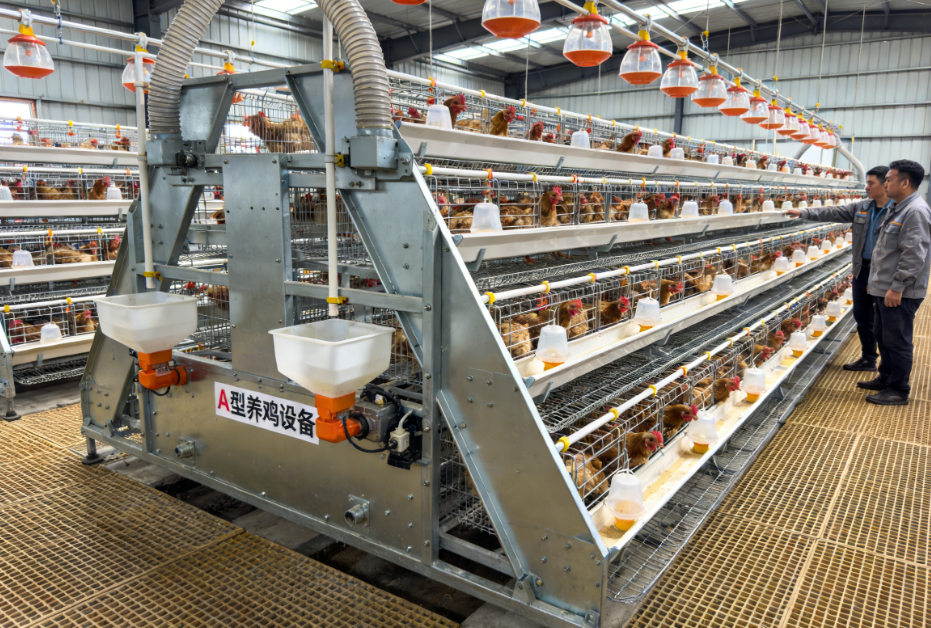
1. What Is a Poultry Brooder?
A poultry brooder is a specialized piece of equipment designed to create a controlled environment for chicks after hatching. During the first few weeks of life, chicks are extremely sensitive to temperature, humidity, and air circulation. A brooder provides the necessary warmth, lighting, and ventilation to help them grow healthy and strong.
Modern poultry brooders are widely used in both small family farms and large commercial poultry operations. Depending on the level of automation required, brooders can be manual, semi-automatic, or fully automatic.
2. Main Components of a Poultry Brooder
To maintain a high chick survival rate, a reliable brooder system is essential for every poultry farm. A complete brooder consists of five core components, each playing a critical role in creating the ideal growing environment for young chicks.
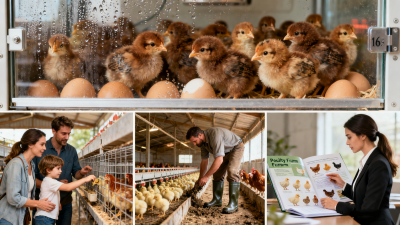
1. Heating System
Newly hatched chicks have very limited ability to regulate their body temperature, making a reliable heat source crucial during the brooding period.
There are three common heating methods available on the market:
Electric Heating Systems use built-in heating tubes or heating plates to generate stable warmth. They are widely used in small and medium-sized poultry houses due to their precise temperature control.
Gas Heating Systems utilize LPG or natural gas burners. They provide rapid heating and significantly reduce electricity consumption, making them ideal for large-scale poultry farms.
Hot Air Heating Systems distribute warm air evenly throughout the brooding area through circulating fans. This prevents localized overheating or cold spots and is particularly suitable for large commercial brooding facilities.
Each heating option can be selected according to farm size and management requirements, ensuring a stable temperature around the clock and preventing temperature-related stress in chicks.
2. Temperature Control System
A heat source alone is not enough. Precise temperature regulation is essential to meet the changing needs of chicks at different growth stages.
Traditional brooders often use mechanical thermostats that automatically switch heating systems on and off through temperature sensors. These systems are affordable and reliable.
Modern brooders are commonly equipped with digital intelligent controllers that display real-time temperature data. Farmers can preset temperature programs for different chick ages, such as Day 1, Day 7, and Day 21. The system automatically adjusts heating output when temperatures rise above or fall below the target range, reducing labor requirements and minimizing losses caused by overheating or chilling.
3. Ventilation System
High-density chick production can quickly lead to moisture buildup, ammonia accumulation, and poor air quality. These conditions increase the risk of respiratory diseases and other health problems.
A quality brooder combines both minimum and maximum ventilation systems:
Continuous low-volume ventilation removes excess moisture and harmful gases.
Periodic high-volume ventilation refreshes the entire poultry house air supply.
This balanced ventilation approach prevents damp litter, mold growth, and excessive humidity while avoiding direct cold drafts that can stress young chicks. It ensures adequate oxygen levels for healthy development.
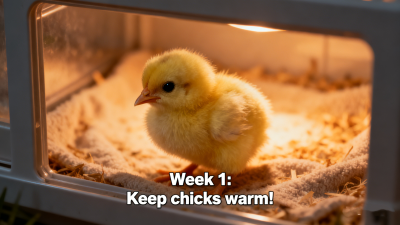
4. Lighting Components
Newly hatched chicks have limited vision, making proper lighting essential for feed and water consumption.
Modern brooders feature evenly distributed lighting systems that provide soft, non-glare illumination. This helps weaker chicks easily locate feeders and drinkers, ensuring uniform flock development.
Proper lighting schedules also regulate chick activity and resting patterns, encourage feed intake, improve daily weight gain, and reduce the occurrence of stunted birds.
5. Automatic Feeding and Drinking System
Manual feeding and watering require significant labor and can easily lead to feed waste and water contamination.
Modern brooder systems are equipped with automated feed lines and drinking systems:
Automatic feeders distribute feed evenly, reducing waste and ensuring consistent feed availability.
Closed nipple drinkers provide clean water while minimizing contamination from droppings.
These automated systems reduce labor costs, improve hygiene standards, and lower the incidence of digestive diseases.
3. Why Poultry Farms Need Brooders
1. Increase Chick Survival Rates
Newly hatched chicks have weak temperature-regulation abilities. Sudden temperature fluctuations can lead to chilling, diarrhea, crowding, and mortality.
A brooder maintains a stable and uniform temperature environment, significantly reducing stress-related losses.
2. Reduce Labor Costs
With automatic temperature control, feeding, and watering functions, farm workers spend less time managing daily operations.
One person can efficiently care for thousands of chicks, greatly reducing labor requirements.

3. Promote Growth and Improve Feed Efficiency
When chicks are raised in a comfortable environment, they eat more consistently, experience fewer health issues, and gain weight faster.
Improved feed conversion rates mean more production output from the same amount of feed, increasing farm profitability.
4. Reduce Disease Incidence
Proper ventilation and humidity control help maintain healthy air quality within the poultry house.
Lower ammonia and moisture levels reduce the risk of respiratory diseases, digestive disorders, heat stress, and other common poultry health problems, ultimately lowering medication costs.
5. Support Large-Scale Poultry Production
Commercial poultry farming requires standardized management practices.
Automated brooder systems provide consistent environmental conditions for every flock, resulting in uniform bird growth and improved production efficiency.
4. Practical Tips for Choosing a Poultry Brooder
When selecting a brooder, farmers should consider flock size, production goals, management style, and budget. The following seven factors are particularly important:
1. Choose According to Farm Size
Small farms and backyard operations: Simple electric brooders or heat lamp systems offer excellent value.
Large commercial farms: Fully automated, multi-tier brooder systems with centralized temperature control are recommended.
2. Focus on Energy Efficiency
Choose systems that distribute heat evenly while minimizing electricity or fuel consumption.
Whether using electric or gas heating, stable temperature control and system reliability should be top priorities.
3. Ensure Precise Temperature and Humidity Control
Brooders with digital control panels allow farmers to customize environmental settings and receive alerts when parameters exceed target ranges.
This simplifies daily management and improves flock performance.
4. Evaluate Ventilation Design
Proper fan placement and airflow design are critical for maintaining uniform temperatures and removing ammonia and carbon dioxide.
A well-designed ventilation system helps prevent harmful gas buildup and protects chick health.

5. Consider Material Quality and Safety
The brooder structure should be corrosion-resistant, waterproof, and easy to clean and disinfect.
Electrical components should include safety protections to prevent leakage, overheating, and fire hazards.
6. Choose a Reliable Supplier
Work with manufacturers that offer dependable after-sales service, spare parts support, and technical assistance.
Reliable support ensures long-term equipment performance and minimizes downtime.
7. Consider Smart IoT Features
Large poultry farms can benefit from Internet of Things (IoT) technology.
Remote monitoring systems allow managers to track temperature, humidity, and ventilation data via smartphones. Automated alarms notify staff when environmental conditions exceed preset limits, enabling efficient remote management.
5. Conclusion
A reliable poultry brooder is much more than just a heat source—it is the foundation of healthy flock management.
Whether you operate a small family poultry farm or a large integrated commercial operation, choosing the right brooding equipment ensures your chicks get the best possible start in life.
Investing in a high-quality intelligent poultry brooder from Guangxing Poultry Equipment means investing in long-term efficiency, sustainability, and success in modern poultry farming.
📩 For more information or a customized brooding system solution, please contact us at: [email protected].