1.Understanding Egg Production and Nutrition
A hen’s egg‑laying capacity depends on three key factors: genetics, husbandry management and diet. While genetic makeup cannot be altered, nutrition can be optimized — and this is often the most influential factor affecting laying performance.
If your hens are laying fewer eggs, producing soft-shelled eggs, or stopping altogether, nutrition is usually the first thing to fix.

2. Essential Nutrients for Laying Hens
Before we get into specific foods, let’s look at the core nutrients that affect egg production:
Protein:Protein provides the building blocks (amino acids) for egg whites and yolks. Hens need at least 16–18% crude protein in their diet. A lack of protein leads to smaller eggs and fewer of them.
Calcium:Eggshells are about 95% calcium carbonate. If hens don’t get enough calcium, eggshells become thin or soft, and laying slows down. Provide 3.5–4% calcium through feed or supplements like oyster shells.
Phosphorus:Works together with calcium to build strong eggshells and bones. The ideal calcium-to-phosphorus ratio is 2:1.
Vitamins:
Vitamin D3 aids calcium absorption.
Vitamin E and A improve fertility and immunity.
Vitamin B-complex supports energy metabolism and egg formation.
Fats & Carbohydrates:They provide energy for laying and help hens maintain body weight during high production periods.
Water:Often overlooked, clean and fresh water is vital. A hen can drink up to twice as much water as feed daily. Dehydration can cause an immediate drop in egg production.
3. Best Natural Foods to Increase Egg Production in Chickens
Now that we understand the nutrients, let’s look at specific foods that promote egg laying.
(1)Corn:Corn is a high-energy grain that keeps hens warm and active. It’s excellent for daily energy but should be balanced with protein sources.
(2) Soybean Meal:Rich in essential amino acids like lysine and methionine, soybean meal is the most common protein supplement in commercial layer feeds. It’s key to achieving strong, consistent egg output.
(3) Fish Meal:One of the best natural protein boosters. Fish meal also contains omega-3 fatty acids that enhance yolk color and egg quality. Use sparingly (2–5% of diet) to avoid fishy odors.
(4) Alfalfa:Alfalfa is full of vitamins, minerals, and green pigments (xanthophylls) that give yolks a rich golden color. It’s also an excellent natural source of calcium.
(5) Sunflower Seeds or Meal:Sunflower seeds are packed with healthy fats, protein, and vitamin E, which supports egg fertility and shell strength.
(6) Oyster Shells and Limestone:Provide free-choice oyster shells or crushed limestone for calcium supplementation. This is one of the simplest and most effective ways to prevent thin-shelled eggs.
(7) Grains Mix:A balanced mix of wheat, barley, oats, and maize provides both energy and fiber. Avoid feeding too much raw barley or rye, which can reduce digestibility.
(8) Fresh Greens and Vegetables:Hens love greens like spinach, kale, cabbage, and carrot tops. These are rich in vitamins A and E, promoting healthy reproductive systems and brighter yolks.
(9) Insects and Worms:Natural protein sources like mealworms, earthworms, and black soldier fly larvae are excellent for boosting egg production. They mimic the hens’ natural diet and provide key amino acids.
(10) Fermented Feed or Probiotics:Fermented grains and probiotic supplements support better intestinal health, nutrient uptake and immune function, contributing to improved egg‑laying performance.
4. Feeding Tips to Boost Egg‑Laying Production
Keep feed fresh: Avoid mouldy or spoiled grains, which may trigger digestive disorders.
Supply plenty of clean drinking water: Dehydration will cause an immediate drop in egg‑production rates.
Do not over‑feed grains: Excess corn or treats can dilute their nutrient intake.
Monitor hen body weight: Overweight hens tend to lay fewer eggs.
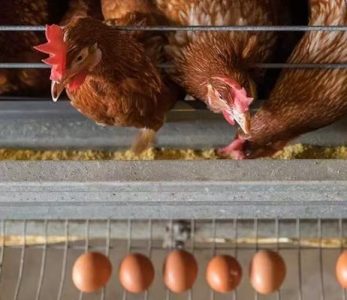
Adopt an automatic feeding system: Guangxing Poultry Equipment provides intelligent feeding systems to deliver even feed distribution and reduce waste — an excellent way to improve efficiency and consistent egg quality.
5. Common Feeding Mistakes to Avoid
- Low‑protein feed → Reduced egg yield and smaller‑sized eggs.
- Calcium deficiency → Soft‑shelled or shell‑less eggs.
- Irregular feeding times → Hen stress and poor laying cycles.
- Dirty water or feed troughs → Bacterial growth and reduced feed intake.
- Neglecting the lighting schedule → Hens require 14‑16 hours of light to maintain good laying performance.