


Picture this: One day, your seemingly healthy flock is thriving, and the next, a single cough could spell disaster, cutting your egg income by half. Maintaining a healthy backyard flock is essential for successful poultry farming. Whether you raise chickens for eggs, meat, or as pets, understanding common diseases helps prevent significant losses. This guide provides specific daily, weekly, and monthly prevention routines, setting clear expectations for practical advice on maintaining a healthy flock. Proactive disease awareness involves taking preventive measures, not just treating sick birds.
A single sick chicken can quickly infect the entire flock, resulting in increased treatment costs, higher mortality, and reduced egg production. These losses are particularly challenging for small-scale farmers who depend on their chickens.
In this comprehensive guide, you’ll discover the seven most common chicken diseases that threaten backyard flocks, learn to recognize early warning signs of sick chickens, and master proven prevention strategies. We’ll cover everything from bacterial and viral infections to parasitic infestations and nutritional deficiencies, ensuring you have the knowledge to keep your poultry healthy and productive.

Why Chicken Diseases Are a Big Concern for Farmers
Impact on Flock Health and Productivity
Common poultry diseases can devastate even the most carefully managed flocks. When infectious diseases take hold, they rarely affect just one bird. The close quarters of most poultry operations mean that bacterial, viral, and parasitic infections spread quickly from bird to bird, often before symptoms become obvious.
Healthy chickens are more productive, laying more eggs and growing efficiently. Disease outbreaks can reduce egg production by 30-50% or more, and meat birds may experience poor growth. While chickens generally have robust immune systems, stress or exposure to high levels of pathogens can increase their risk of illness. Consider these potential costs:
Direct treatment expenses: Medications, veterinary consultations, and specialized care.
Production losses: Reduced egg laying, slower growth rates, and decreased feed efficiency.
Mortality costs: Complete loss of investment in affected birds.
Biosecurity measures: Additional cleaning supplies, quarantine facilities, and protective equipment.
Market restrictions: Potential inability to sell products during outbreaks.
How Diseases Spread Quickly in Poultry Farms
Understanding disease transmission is crucial for effective poultry health management. Most chicken illnesses spread through:
Direct contact: Bird-to-bird transmission through respiratory droplets or physical contact.
Contaminated equipment: Feeders, waterers, and tools that haven’t been properly sanitized.
Environmental factors: Infected bedding, dust, or contaminated soil.
Vector transmission: Wild birds, rodents, or insects carrying pathogens.
Human carriers: Farm workers inadvertently spread diseases between flocks.
Importance of Early Detection and Prevention
Monitor your flock closely and respond promptly to any signs of illness. Chickens often conceal symptoms, so early detection is critical. Delaying action can allow diseases to spread quickly throughout the flock.
To assist farmers with daily monitoring, consider creating a simple checklist that includes specific signs to watch for each day. Look for any changes in behavior, such as lethargy, hiding, or lack of interest in food and water. Pay attention to respiratory symptoms like sneezing, coughing, or wheezing. Observe physical indicators such as pale combs or wattles and any swelling or limping. Keeping a consistent daily routine helps identify problems before they escalate.
Prevention-focused poultry farming is more cost-effective than treatment. Implementing a clear, step-by-step routine makes maintaining flock health manageable:
- Good Nutrition: Provide a balanced diet tailored to the birds’ age and purpose, and ensure access to clean, fresh water.
- Clean Housing: Remove soiled bedding daily, perform a deep clean weekly, and maintain proper ventilation adapted to the season.
- Regular Vaccinations: Follow a vaccination schedule based on veterinary guidance and regional requirements.
- Strong Biosecurity: Limit visitor access, maintain sanitation stations, and use protective gear in the poultry environment.
Regular monitoring helps identify issues before they become serious threats.
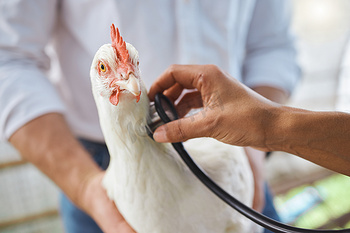
Behavioral Changes
Acting sluggish or hiding away from the flock.
Skulking in corners or staying on the roost.
Ignoring food or water (big warning sign!).
Being oddly cranky or super quiet.
Respiratory Symptoms
Coughing, sneezing, or wheezing like they’ve got a cold.
Runny nose or watery eyes.
Panting or breathing with their mouths open.
These are often tied to chicken reThese symptoms are often associated with respiratory diseases or poultry coronavirus infections and should not be ignored.ers looking messy or dull.
Comb and wattles turning pale, purple, or black.
Limping or swollen joints.
Scabs or sores, especially around the beak or legs.
Digestive Signs
Diarrhea, sometimes bloody or greeDiarrhea, which may be bloody or green in color.thers around the vent.
Reproductive Clues
Laying fewer eggs or none at all.
Weird, soft-shelled, or misshapen eggs.
Laying eggs in strange spots or not using the nesting box.
Pro Tip: Chickens often mask illness until it becomes severe, so daily observation is essential. If you notice any of these signs, promptly isolate the affected bird and consult a veterinarian. A decline in egg production may also indicate underlying health issues.
Coccidiosis is caused by protozoan parasites of the genus Eimeria, which attack the intestinal lining. (“Avian Coccidiosis”, 2023) The parasites reproduce rapidly in the intestinal tract, causing severe damage to the gut lining. This parasitic disease thrives in warm, humid conditions and spreads through contaminated droppings. Transmission occurs when birds ingest sporulated oocysts from contaminated feed, water, bedding, or soil. Young chickens (under 20 weeks old) are most susceptible, although adult birds can also be affected during periods of stress or when their immunity is compromised.
Symptoms
Bloody droppings (the classic sign that demands immediate attention).
Lethargy and weakness.
Sudden chicken weight loss and poor growth rates.
Pale combs indicate anemia.
Huddled appearance and decreased activity.
Reduced feed consumption.
In severe cases, death occurs within 24-48 hours.
Prevention
Effective coccidiosis prevention focuses on breaking the parasite lifecycle:
Feed medicated starter feed containing anticoccidial drugs to young birds.
Maintain dry bedding and replace it frequently.
Maintain proper chicken coop hygiene by performing regular cleaning.
Avoid overcrowding, which increases stress and contamination.
Provide clean, fresh water in sanitized containers.
Remove wet spots and improve ventilation to reduce humidity.
Implement gradual exposure to small amounts of dirt to build natural immunity.
Treatment
When coccidiosis strikes, quick treatment is essential:
Administer coccidiostats through feed or water as directed by the veterinarian.
Common treatments include ampro (“Amprolium (AMP) – Medicating Ingredient Brochure”, n.d.)lium, sulfaquinoxaline, or toltrazuril.
Isolate affected birds to prevent spread.
Provide supportive care with electrolytes and probiotics.
Clean and disinfect the entire coop area.
Consider temporary relocation to clean quarters.
Newcastle Disease
Cause & Transmission
Newcastle disease is a highly contagious viral infection that poses one of the most serious threats to poultry operations worldwide. (“Newcastle disease”, n.d.) The virus spreads through respiratory droplets, contaminated feed and water, infected equipment, and even on the clothing and shoes of caretakers.
This viral disease in poultry can survive in the environment for extended periods, making biosecurity measures absolutely critical. Wild birds often serve as carriers, bringing the disease to domestic flocks.

Symptoms
Newcastle disease symptoms in chickens can vary widely but commonly include:
Respiratory distress with gasping and coughing.
Neurological signs, including leg paralysis and twisted necks.
Dramatic drop in egg production (often 50% or more).
Watery, greenish diarrhea.
Swelling around the eyes and face.
Sudden death without prior symptoms.
In laying hens, misshapen or soft-shelled eggs.
Prevention
Newcastle vaccination for poultry is the cornerstone of prevention:
Implement strict biosecurity in poultry farming protocols.
Vaccinate according to regional recommendations and veterinary guidance.
Control access to your property and require visitors to wear masks and disinfect their hands.
Quarantine new chickens for at least 30 days before introduction.
Regularly disinfect equipment, vehicles, and footwear to prevent the spread of germs.
Prevent contact with wild birds through proper fencing and netting.
Maintain detailed health records for early detection.
Treatment
Unfortunately, there’s no specific cure for Newcastle disease:
Focus on supportive care to maintain comfort and well-being.
Provide electrolytes and ensure adequate nutrition.
Isolate affected birds immediately.
Consult with veterinary authorities as reporting may be required.
In severe outbreaks, culling may be necessary to prevent the further spread of the disease.
Thoroughly disinfect all areas before restocking.
3. Avian Influenza (Bird Flu)
Cause & Transmission
Bird flu in chickens is caused by influenza A viruses that can range from mild to highly pathogenic strains. (“Avian Influenza Type A”, 2024) This zoonotic disease presents risks to both poultry and human health, making it a significant concern for all poultry operations.
Transmission occurs through contact with infected wild birds, contaminated water sources, or airborne droplets. The virus can survive in cool, moist environments for extended periods.
Symptoms
Avian influenza symptoms can appear suddenly and include:
Sudden death without warning signs (in highly pathogenic strains).
Severe respiratory distress and difficulty breathing.
Swollen head, eyelids, comb, and wattles.
Nasal discharge and tearing.
Blue discoloration (cyanosis) of unfeathered areas.
Complete cessation of egg laying.
Diarrhea and dehydration.
Neurological symptoms in some cases.
Prevention
Bird flu prevention in poultry requires comprehensive management:
Prevent contact with wild waterfowl and migratory birds.
Secure feed storage areas to prevent access by wild birds.
Use covered runs and avoid free-ranging during high-risk periods.
Implement strict poultry hygiene practices for all equipment and personnel.
Monitor local outbreak reports and follow official guidance.
Vaccination programs were approved by the authorities.
Regular health monitoring with immediate reporting of suspicious symptoms.
Treatment
No specific treatment exists for avian influenza:
Report suspected cases to veterinary authorities immediately.
Implement quarantine measures as directed.
Culling of entire flocks may be required by law.
Extensive disinfection before any restocking.
Follow official guidelines for disposal and cleanup.
4. Marek’s Disease
Cause & Transmission
Marek’s disease in chickens is caused by a herpesvirus that creates tumors and causes paralysis in infected birds. (“Marek’s Disease in Poultry”, n.d.) This chicken paralysis disease typically affects birds between 6 and 20 weeks of age, although it can occur at any age.
The virus spreads through airborne particles from infected feather follicles and can survive in poultry house dust for months. Nearly all chickens will be exposed to this virus at some point in their lives.
Symptoms
Marek’s disease symptoms develop gradually and include:
Leg or wing paralysis (classical symptom).
Weight loss despite a good appetite.
Vision problems or blindness.
Tumors in internal organs.
Irregular pupil shape (“gray eye”).
Death without obvious external symptoms.
Twisted neck positions in some cases.
Prevention
Marek’s vaccination for day-old chicks is highly effective:
Vaccinate all chicks within 24 hours of hatching.
Purchase vaccinated chicks from reputable hatcheries.
Minimize stress through proper nutrition and a suitable living environment.
Maintain strict biosecurity measures.
Avoid mixing birds of different ages.
Maintain low dust levels in housing areas.
Treatment
No cure exists for Marek’s disease:
Remove and humanely euthanize severely affected birds.
Provide supportive care for birds with mild symptoms.
Monitor the flock closely for additional cases.
Maintain a proper diet to support your immune function.
Consider genetic selection for resistance in breeding programs.
5. Fowl Pox
Cause & Transmission
Fowl pox in backyard chickens is caused by a poxvirus that creates characteristic wart-like lesions in chickens on unfeathered areas of the body. (Tripathy, 2023) The disease spreads through direct contact between birds, mosquito bites, or contact with contaminated surfaces.
There are two forms: dry pox (characterized by skin lesions) and wet pox (which involves respiratory/oral lesions), with the latter being more severe.
Symptoms
Fowl pox symptoms vary by type but include:
Dry Pox:
Scabby lesions on the comb, wattles, and around the beak.
Yellow or gray nodules that develop into scabs.
Mild impact on overall health.
Wet Pox:
Lesions in the mouth, throat, and respiratory tract.
Difficulty breathing or swallowing.
Reduced feed consumption.
More serious impact on bird health.
Prevention
Controlling disease vectors is crucial for fowl pox prevention:
Implement effective mosquito control measures around chicken coops.
Use the fowl pox vaccine for poultry in high-risk areas.
Eliminate standing water where mosquitoes breed.
Screen coop openings to reduce insect access.
Quarantine new birds before flock introduction.
Maintain good sanitation practices.
Treatment
Treatment focuses on supportive care:
Allow lesions to heal naturally (don’t remove scabs)
Apply an antiseptic to prevent secondary bacterial infections.
Ensure adequate nutrition and hydration.
Isolate affected birds if necessary.
Boost immune support with vitamins and electrolytes.
Monitor for complications associated with wet pox.
6. Mycoplasma (Chronic Respiratory Disease)
Cause & Transmission
Mycoplasma gallisepticum in poultry causes chronic respiratory disease (CRD) that can persist in flocks for extended periods. (El-Gazzar, 2020) This bacterial infection spreads through respiratory droplets, direct contact, and can be transmitted through eggs from infected hens.
Stress factors, such as overcrowding, poor ventilation, or temperature fluctuations, can trigger outbreaks in carrier birds.

Symptoms
Chicken respiratory diseases caused by Mycoplasma include:
Persistent coughing and sneezing.
Nasal discharge and watery eyes.
Swollen sinuses around the eyes.
Reduced egg production and quality.
Slow growth in young birds.
Secondary bacterial infections.
Chronic, long-lasting symptoms.
Prevention
Prevention strategies focus on management and biosecurity:
Ensure excellent ventilation in all housing areas.
Quarantine new chickens for thorough health screening.
Source birds from Mycoplasma-free flocks when possible.
Reduce stress through proper nutrition and a suitable living environment.
Maintain optimal temperature and humidity levels.
Regular poultry health checks to identify carriers.
Treatment
Antibiotics for poultry infections can help control Mycoplasma:
Tylosin or tetracycline antibiotics as prescribed.
Long-term treatment courses may be necessary.
Supportive care with improved nutrition.
Environmental management to reduce stress.
Note: Treatment doesn’t eliminate carriers. Consider culling severely affected birds.
7. Fowl Cholera
Cause & Transmission
Fowl cholera is caused by the bacterium Pasteurella multocida and can cause rapid death in affected birds. (Lighty, 2024) This bacterial infection often spreads through contaminated water, feed, or contact with infected wild birds and rodents.
The disease can persist in soil and water for extended periods, making environmental contamination a significant concern.
Symptoms
Fowl cholera signs can appear suddenly:
Swollen wattles and facial tissues.
Dark-colored diarrhea.
Difficulty breathing.
Sudden death without prior symptoms.
Decreased egg production.
Loss of appetite and lethargy.
Purple discoloration of the comb and wattles.
Prevention
Comprehensive management prevents fowl cholera:
Effective rodent control poultry programs.
Eliminate access to contaminated water sources.
Practice strict poultry farm sanitation.
Control access to feed and water for wild birds.
Vaccination in high-risk areas.
Immediate removal of dead birds.
Regular disinfection of equipment and facilities.
Treatment
Early antibiotic treatment can be effective:
Administer appropriate antibiotics under veterinary guidance.
Common treatments include penicillin or sulfamethazine.
Isolate affected birds immediately.
Improve sanitation and eliminate contamination sources.
Supportive care with electrolytes.
Prevention remains more effective than treatment.
Other Important Infectious and Health Conditions
Beyond the seven major diseases, several other conditions significantly impact backyard flock care and overall poultry health management.
These conditions might not make the top seven, but they’re just as important for keeping your flock in top shape.
Nutritional Deficiencies
Causes: A poor diet, such as relying solely on kitchen scraps for laying hens, can lead to significant nutritional deficiencies. These deficiencies can result in issues like rickets, perosis, or fatty liver syndrome. While these conditions are not among the top seven, they are equally important for maintaining optimal flock health.
Prevention: Follow a poultry nutrition guide with balanced feed and supplements. The best feed for disease prevention supports a strong chicken immune system.
Infectious Bronchitis
Causes: A viral respiratory disease transmitted through the air or via shared equipment.
Symptoms: Infectious bronchitis symptoms include coughing, sneezing, watery eyes, and poor egg quality.
Prevention: Vaccinate and keep new birds separate.
Treatment: There is no cure, but supportive care is provided to keep the birds comfortable.
Parasitic Infestations: Mites and Lice
Causes: External parasites that cause chickens to be itchy and anemic.
Symptoms: Feather loss, scabs, or restless birds.
Prevention: Keep coops clean, offer dust baths, and use insecticides if needed.
Treatment: Topical treatments and poultry farm disinfection methods clear these pests out.
Internal Parasites: Worms
Causes: Roundworms, tapeworms, or cecal worms from dirty bedding or feed.
Symptoms: Weight loss, diarrhea, pale combs.
Prevention: Stick to a chicken deworming schedule and keep bedding fresh.
Treatment: Use poultry-safe dewormers.
Salmonella
Causes: A bacterial infection with zoonotic risk, often from contaminated feed or rodents.
Symptoms: Salmonella in chickens can cause diarrhea, tiredness, or sudden death.
Prevention: Salmonella prevention in poultry involves maintaining good hygiene, controlling rodents, and preventing cross-contamination. Food safety in poultry farming is a must.
Treatment: Antibiotics, but only with a vet’s guidance.
General Prevention Strategies for Optimal Flock Health
Maintaining flock health requires comprehensive prevention strategies that address all aspects of care and the environment.
Biosecurity Measures in Poultry Farms
Implementing effective biosecurity is your most powerful tool for disease prevention:

Access Control:
Limit visitors to essential personnel only.
Provide disinfection stations at all entrances.
Require protective clothing and footwear.
Maintain visitor logs and health declarations.
Equipment and Vehicle Sanitation:
Disinfect all equipment between uses.
Clean vehicles before entering the property.
Use separate tools for different age groups.
Regular replacement of feeding and watering equipment is recommended.
Clean Chicken Coop Management
Maintaining optimal housing conditions supports natural immunity and prevents disease:
Daily Tasks:
Remove soiled bedding and replace as needed.
Ensure adequate ventilation without drafts.
Check waterers for cleanliness and proper function.
Monitor feed freshness and storage conditions.
Weekly Maintenance:
Deep clean feeding and watering equipment
Replace bedding materials completely.
Check for signs of rodent or wild bird intrusion.
Inspect housing for damage or wear.
Quarantine Procedures for New Chickens
Proper quarantine protocols protect your established flock:
Isolate new birds for a minimum of 30 days.
House-quarantined birds are completely separate from the main flock.
Monitor for any signs of illness during the isolation period.
Conduct health examinations before integration.
Consider testing for specific diseases before introduction.
Vaccination Programs
Working with a poultry veterinarian to develop appropriate chicken vaccination schedules provides crucial protection. However, for those without easy access to veterinary services, there are alternative resources. Consider reaching out to local farmer groups, agricultural extension services, or online forums that specialize in poultry care for guidance and support. These resources can offer valuable insights and help you devise an effective vaccination plan that suits your flock’s needs.
Common vaccines include:
Marek’s disease (day-old chicks)
Newcastle disease (timing varies by region)
Infectious bronchitis (as recommended)
Fowl pox (in high-risk areas)
Vaccination best practices:
Follow manufacturer guidelines exactly.
Maintain proper vaccine storage temperatures.
Use sterile techniques for administration.
Keep detailed vaccination records.
Monitor birds for adverse reactions.
Environmental Management
Creating optimal living conditions supports natural disease resistance:
Ventilation Requirements:
Ensure adequate fresh air circulation.
Prevent ammonia buildup through proper air exchange.
Maintain appropriate humidity levels (45-65%)
Avoid drafts that stress birds.
Population Density:
Avoid overcrowding, as it increases stress and facilitates the transmission of diseases.
Provide adequate space per bird for age and housing type.
Separate different age groups when possible.
Monitor bird behavior for signs of stress.
When to Seek Veterinary Help
Knowing when to consult with poultry health professionals can save your flock and prevent minor issues from becoming major disasters.
Signs Requiring Professional Diagnosis
Certain symptoms always warrant immediate professional evaluation:
Sudden death of multiple birds
Respiratory distress in several birds
Neurological symptoms like paralysis or seizures
Severe diarrhea or bloody droppings
Dramatic drop in egg production across the flock
Unusual swelling or lesions
Birds are showing multiple concerning symptoms simultaneously.
Importance of Laboratory Testing
Professional diagnostic services provide crucial information:
Accurate disease identification: Many diseases share similar symptoms
Appropriate treatment selection: Different pathogens require specific treatments
Public health protection: Identification of zoonotic diseases
Regulatory compliance: Some diseases require official reporting
Future prevention: Understanding disease patterns helps prevent recurrence
Building Relationships with Poultry Veterinarians
Establishing connections before emergencies occur:
Locate veterinarians experienced with poultry.
Discuss preventive care programs.
Understand emergency contact procedures.
Learn about diagnostic services available in your area.
Consider joining local poultry associations for resources.
Summary: Building a Healthy, Resilient Flock
Maintaining a healthy flock requires ongoing effort, education, and proactive planning. The seven diseases outlined in this guide present the greatest risks to backyard flocks, but effective prevention strategies can help you manage them successfully. Keep in mind that disease risks and prevention methods may vary depending on regional climate and other local factors. It is advisable for farmers to seek advice from local agricultural experts to tailor their approach to these regional differences.
Prevention is always more effective and cost-efficient than treatment. Provide your chickens with proper living conditions, robust biosecurity measures, and a balanced diet. Monitor for early signs of illness and respond promptly to maintain the health and productivity of your flock.
The key principles for maintaining healthy chickens include:
Proactive prevention through biosecurity and vaccination
Environmental management with clean housing and proper ventilation
Nutritional support to boost natural immunity
Regular monitoring to catch problems early
Professional guidance when facing serious health challenges
By consistently applying these strategies, you will build a stronger, more resilient flock that is better protected from disease. Healthy chickens contribute to increased egg production, improved meat quality, and overall flock well-being. Stay engaged with local poultry communities and seek professional assistance when needed. Your commitment to preventive care will result in a thriving, disease-resistant flock for years to come.
Frequently Asked Questions
What is the most common bacterial disease in poultry?
The most common bacterial disease affecting chickens is Chronic Respiratory Disease (CRD) caused by Mycoplasma gallisepticum. (El-Gazzar, 2020) This infection spreads easily through respiratory droplets and can persist in flocks for extended periods. While often not fatal, it significantly reduces egg production and makes birds more susceptible to secondary infections. Prevention focuses on biosecurity measures, such as proper ventilation as discussed in earlier sections, and sourcing birds from Mycoplasma-free flocks to prevent the introduction of the disease. For more detailed guidelines on these preventive strategies, refer back to the sections on biosecurity and flock management.
What are the five ways to take care of a chicken?
The five essential aspects of proper chicken care include:
- Provide adequate housing with proper ventilation, protection from predators, and sufficient space
- Ensure balanced nutritionthrough quality feed appropriate for the bird’s age and purpose
- Maintain clean water accesswith fresh, uncontaminated water available at all times
- Implement health monitoringthrough regular observation and preventive care
- Practice biosecurity measuresto prevent disease introduction and spread
Can chicken diseases spread to humans?
Yes, several chicken diseases can spread to humans (zoonotic diseases). The most concerning include:
Salmonella: Can be transmitted through contaminated eggs or meat
Avian Influenza: Rare but serious risk during outbreaks
Campylobacter: Common foodborne illness from poultry products
Protect yourself by practicing proper food safety, washing hands after handling birds, cooking eggs and meat thoroughly, and avoiding contact with sick birds. Always consult a healthcare provider if you develop an illness after exposure to poultry.
What is the most common way of preventing viral diseases in poultry?
Vaccination combined with strict biosecurity is the most effective prevention strategy for viral diseases in poultry. Key preventive measures include:
Following the appropriate vaccination schedules for your region
Quarantining new birds for at least 30 days
Controlling access to your property and requiring disinfection
Preventing contact with wild birds and rodents
Maintaining clean housing and equipment
Avoiding stress factors that compromise immunity
Since viral diseases have no specific treatments, prevention through vaccination and management is absolutely critical for flock health.
The article is very detailed.