


Introduction
Africa’s poultry industry is experiencing rapid growth driven by population expansion, urbanization, and increasing demand for affordable protein sources such as eggs and chicken meat. Countries like Nigeria, Kenya, Ghana, and Ethiopia are witnessing a surge in poultry farm investments, attracting both local entrepreneurs and international investors.
However, one of the most critical factors determining the success of a poultry business is infrastructure planning and cost control. Whether you are planning a small-scale farm or a large commercial poultry operation, understanding infrastructure expenses is essential for maximizing ROI.
In this guide, we will break down poultry farm infrastructure costs in Africa, including land, housing, equipment, utilities, and hidden expenses—helping you build a profitable and scalable poultry business.
1. What Is Poultry Infrastructure?
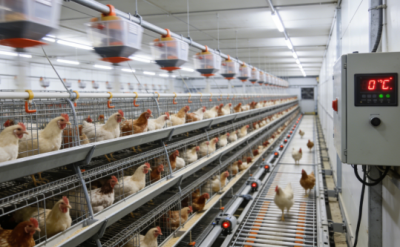
Poultry infrastructure refers to all the physical and technical systems required to operate a poultry farm efficiently. This includes:
Poultry houses (layer or broiler sheds)
Feeding and drinking systems
Ventilation and climate control
Waste management systems
Water and electricity supply
Storage and processing areas
A well-designed infrastructure ensures:
Higher productivity
Lower mortality rates
Better disease control
Reduced labor costs
2. Key Factors Affecting Poultry Infrastructure Costs in Africa
Infrastructure costs vary widely across African countries due to several factors:
2.1 Farm Size
Small-scale (1,000–5,000 birds)
Medium-scale (10,000–50,000 birds)
Large-scale (50,000+ birds)
Larger farms benefit from economies of scale but require higher initial investment.
2.2 Location
Costs differ depending on:
Urban vs rural areas
Land availability
Access to roads and markets
For example:
Nigeria and Kenya: Moderate costs
South Africa: Higher infrastructure standards → higher costs
Ethiopia and Uganda: Lower labor costs
2.3 Production Type
Layer farms (egg production)
Broiler farms (meat production)
Layer farms usually require more advanced cage systems and longer-term infrastructure investment.
2.4 Level of Automation
Manual systems → lower initial cost but higher labor cost
Semi-automatic systems → balanced investment
Fully automated systems → higher upfront cost but long-term efficiency
3. Breakdown of Poultry Infrastructure Costs
Let’s explore the major cost components.
3.1 Land Cost
Land prices vary significantly across Africa:
Rural areas: $500 – $5,000 per hectare
Peri-urban areas: $5,000 – $20,000+
For a 10,000-layer farm, you typically need:
0.5 to 1 hectare
💡 Tip: Always choose land with:
Good drainage
Access to water
Road connectivity

3.2 Poultry House Construction
This is one of the largest investments.
Types of Poultry Houses:
1. Open-sided houses (common in Africa)
Cost: $15 – $30 per m²
Suitable for warm climates
Lower construction cost
2. Environment-controlled houses
Cost: $80 – $150 per m²
Higher productivity
Better disease control
Example Cost (10,000 layers):
Open house: $15,000 – $30,000
Controlled house: $80,000 – $120,000
3.3 Poultry Equipment Cost
Modern equipment significantly improves efficiency and profitability.
Essential Equipment:
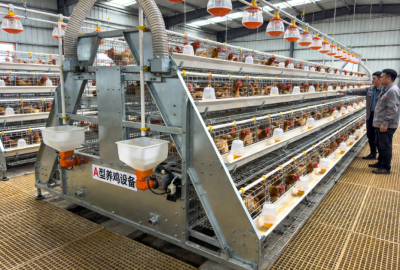
1. Cage Systems (for layers)
A-type cages (cost-effective)
H-type cages (fully automated)
Estimated cost:
$8 – $25 per bird capacity
2. Feeding System
Manual feeders
Automatic feeding systems
- Drinking System
Nipple drinkers (recommended)
Water tanks and pipelines
4. Egg Collection System (for layers)
5. Manure Removal System
Total Equipment Cost (10,000 layers):
Basic setup: $30,000 – $60,000
Automated system: $80,000 – $150,000
💡 Guangxing Advantage:
Guangxing provides A-frame and H-frame poultry equipment systems designed for African climates, helping reduce labor costs by up to 60% while improving production efficiency.
3.4 Ventilation and Climate Control
Proper ventilation is essential for bird health.
Options:
Natural ventilation (low cost)
Fans and cooling pads (moderate cost)
Fully automated climate control systems
Estimated cost:
Basic ventilation: $2,000 – $5,000
Advanced systems: $10,000 – $30,000+
3.5 Water Supply System
Reliable water is critical.
Components:
Borehole drilling: $2,000 – $10,000
Water tanks: $500 – $3,000
Pipeline system: $1,000 – $5,000
💡 In many African regions, drilling a borehole is necessary due to unstable water supply.
3.6 Electricity and Power Supply
Power supply in Africa can be inconsistent, so backup systems are essential.
Costs:
Grid connection: $1,000 – $5,000
Generator: $3,000 – $15,000
Solar system (optional): $5,000 – $25,000
3.7 Waste Management System
Proper manure management improves biosecurity and creates additional income opportunities.
Options:
Manual cleaning (low cost)
Automatic manure belts (higher cost)
Estimated cost:
$2,000 – $15,000
3.8 Storage and Auxiliary Buildings
Includes:
Feed storage
Egg storage rooms
Office and staff housing
Estimated cost:
$5,000 – $20,000
4. Total Poultry Infrastructure Cost Estimate
Example: 10,000 Layer Farm in Africa
| Item | Estimated Cost |
| Land | $2,000 – $10,000 |
| Housing | $15,000 – $80,000 |
| Equipment | $30,000 – $120,000 |
| Water System | $3,000 – $15,000 |
| Power Supply | $5,000 – $20,000 |
| Ventilation | $2,000 – $20,000 |
| Other Costs | $5,000 – $20,000 |
✅ Total Investment:
👉 $60,000 – $250,000
5. Cost Optimization Strategies
To maximize profits, consider the following:
5.1 Start with Semi-Automation
Balance between cost and efficiency.
5.2 Use Durable Equipment
Invest in high-quality systems to reduce maintenance costs.
5.3 Local Material Sourcing
Reduce construction costs by using locally available materials.
5.4 Optimize Farm Layout
Efficient design reduces labor and improves workflow.
5.5 Partner with Reliable Suppliers
Choosing experienced manufacturers like Guangxing ensures:
Professional farm design
Cost-effective solutions
Long-term technical support
6. ROI and Profit Potential
A well-managed 10,000-layer farm can produce:
8,000–9,500 eggs per day

Revenue Estimate:
Egg price: $0.08 – $0.15
Daily income: $640 – $1,425
👉 Annual revenue: $230,000 – $500,000
With proper management, infrastructure investment can be recovered within:
👉 1.5 – 3 years
7. Why Infrastructure Matters in African Poultry Farming
In Africa, challenges such as:
High temperatures
Disease outbreaks
Unstable utilities
make infrastructure even more critical.
Good infrastructure ensures:
Consistent production
Lower mortality rates
Higher feed conversion efficiency
8. Guangxing One-Stop Poultry Solution
At Guangxing, we provide:
Poultry farm design and planning
A-frame and H-frame cage systems
Automatic feeding and drinking systems
Climate control solutions
Installation and technical support
Our solutions are specifically tailored for:
African climate conditions
Medium to large-scale farms
Investors seeking long-term ROI
Conclusion
Investing in poultry farming in Africa offers tremendous opportunities, but success depends heavily on proper infrastructure planning and cost control.
By understanding the key cost components—land, housing, equipment, water, and power—you can make informed decisions and build a profitable poultry business.
Whether you are starting a 5,000-bird farm or scaling to 100,000 layers, choosing the right infrastructure and equipment partner will determine your long-term success.


