


How to Reduce Sow Mortality in US Commercial Pig Farms: Data & Infrastructure Solutions
Sow mortality rates across the United States have escalated to critical levels over the past decade. Discover how optimizing gestation stall configurations and farrowing environments tackles the root causes of herd loss.
Managing structural herd longevity is one of the most demanding operational challenges facing American swine producers today. Over the past decade, production facilities across the US Midwest and southern pork production belts have experienced an alarming upward trend in sow attrition and mortality.
To establish an effective mitigation protocol, operations must shift from reactive veterinary care to proactive housing and equipment optimization. Modern hyperprolific sow genetics demand robust, engineered environments that preserve anatomical health and mitigate physiological stress.
Expert Report Context: This structural analysis is deeply grounded in the 10-year historical review published by the premier US swine industry authority, National Hog Farmer (January 2026 issue), entitled "Mortality at the sow farm: A look back at the last 10 years".
View the full National Hog Farmer Industry Report →Deconstructing the Primary Causes of US Sow Attrition
According to comprehensive veterinary tracking and US university extension data, the multi-year surge in sow farm deaths is not tied to a single pathogen, but rather to a combination of systemic vulnerabilities:
1. Severe Structural Lameness (Locomotor Failure)
Locomotor problems consistently rank as a top driver for involuntary culling and sudden mortality on US commercial farms. When a sow develops hoof lesions, joint inflammation, or pad cracks, her ability to stand, feed, and access water drops rapidly. Poorly built gestation pens with sharp metal flashings, unstable locking rods, or sub-standard zinc coating dramatically exacerbate micro-traumas to limbs, giving opportunist pathogens an entry point into the bloodstream.
2. Pelvic Organ Prolapse (POP) & Reproductive Complications
Pelvic Organ Prolapse (including uterine and vaginal prolapse) has shifted from a rare occurrence to a severe industry-wide epidemic in US sow herds. While nutritional factors and genetics are heavily researched, mechanical abdominal pressure during the late stages of gestation plays an undeniable role. Restrictive, uncomfortable housing that induces constant postural changes increases intra-abdominal strain, leading to severe farrowing dystocia and sudden prolapses.
3. Acute Heat Stress and Seasonal Organ Collapse
The annual spike in US sow mortality during August and September underscores the fragility of large-framed sows under thermal stress. High ambient temperatures induce respiratory distress, elevated heart rates, and circulatory failure. Open, unhindered ventilation pathways within the stalls are essential to maximize convective cooling across the sow's skin surface.
10 Strategic Protocols to Substantially Lower Sow Attrition
- 1. Deploy Ergonomic Gestation Architecture: Transition to heavy-gauge, smooth tubular stalls that precisely fit North American sow physical dimensions, minimizing aggressive turning injuries.
- 2. Maximize Airflow with High-Clearance Open Top Frames: Eliminate solid sheet-metal barriers in favor of structural pipe dividers to ensure uniform airspeed reaches the sow's snout and body.
- 3. Choose Smooth, Full-Welded Contact Surfaces: Mandate total weld integrity to eliminate sharp burrs and rough seams that cut hocks and cause crippling infections.
- 4. Install Anti-Microbial Stainless Steel Feeding Systems: Replace porous plastic troughs with continuous, polished stainless steel to prevent organic feed buildup and pathogen incubation.
- 5. Enforce High-Spec Galvanization Protocols: Utilize structural frames with hot-dip galvanized finishes exceeding 85 μm in thickness to withstand aggressive high-pressure chemical washdowns.
- 6. Implement High-Volume Nipple Drinkers: Position low-resistance stainless steel water systems within easy reach to prevent dehydration-induced toxicosis.
- 7. Design Micro-Climate Zone Farrowing Environments: Provide independent heat pads for piglets while maintaining a cool, low-stress environment for the lactating sow.
- 8. Adjust Gesticulation Floor Grip Integration: Use cast-iron or high-tensile slat configurations beneath the sow to provide maximum traction during standing and laying behaviors.
- 9. Conduct Targeted Body Condition Scoring (BCS): Prevent oversized sows from experience high-friction contact inside standard spaces by utilizing precise individual drop-feeding.
- 10. Execute Preventive Hoof Management Trimming: Eliminate structural imbalances before sows enter the high-stress farrowing environment.
Engineering Solutions: Guangxin IoT Heavy-Duty Sow Equipment
As an established global manufacturer of commercial swine equipment, Guangxin IoT designs turn-key housing systems explicitly structured to alleviate lameness, minimize stress, and reduce mortality rates in commercial herds.
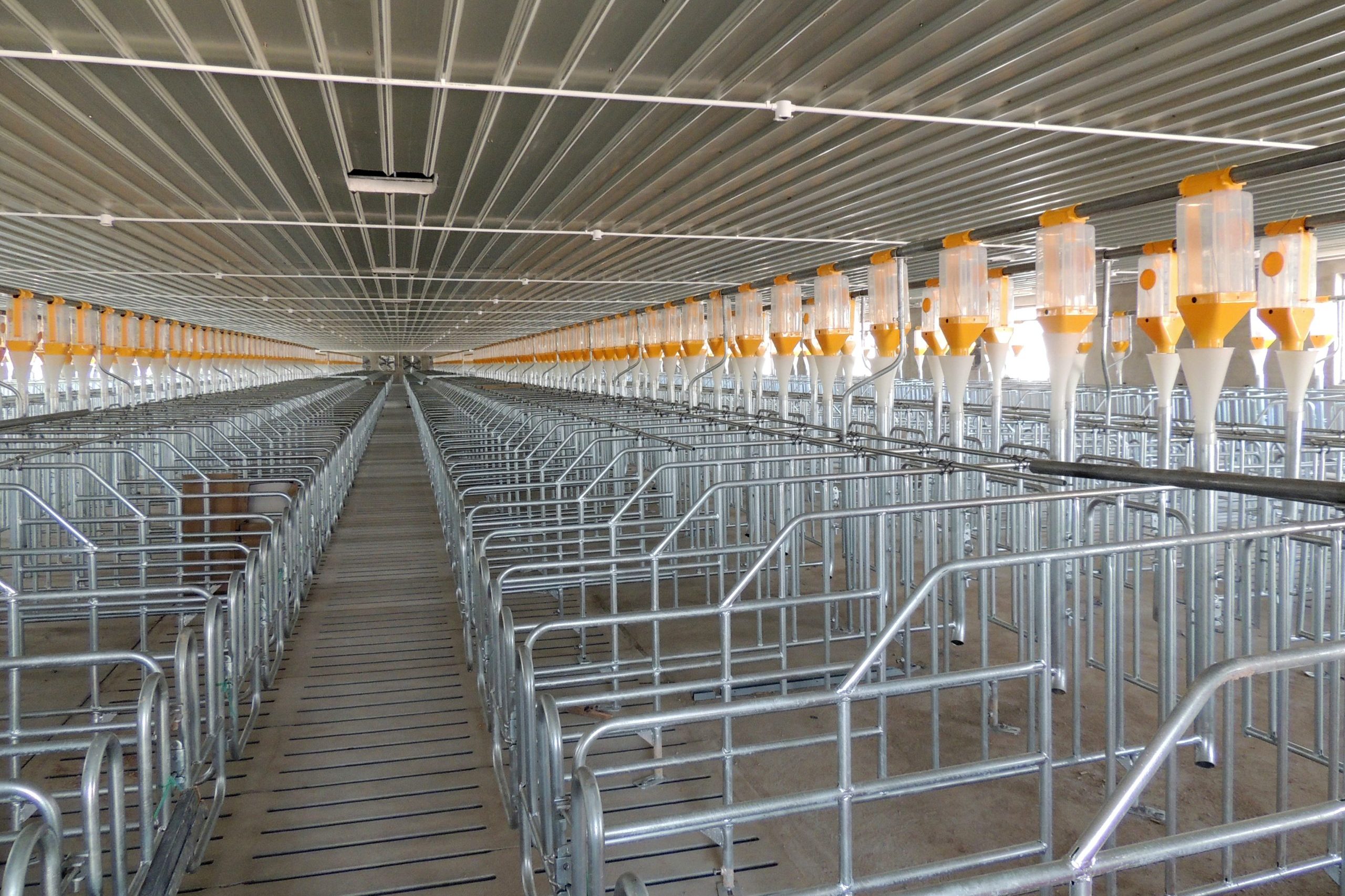
Heavy-Duty Hot-Dip Galvanized Gestation Stalls
Engineered to mitigate US swine farm lameness and structural stress. Built out of thickened 2.0mm to 2.5mm steel pipes, our gestation stalls undergo an advanced acid-pickling and passivation process, followed by total submersion hot-dip galvanization to yield a thick rust-proof barrier.
| Material Composition: | High-tensile seamless steel pipe, integrally welded |
| Zinc Layer Coating: | >85 μm thickness for 10+ year service lifespan |
| Anatomical Safety: | Full rounded-end welds, zero sharp corners to prevent leg trauma |
| Standard Configurations: | 2.1m × 0.65m / 2.2m × 0.70m (Customizable for US farm layouts) |
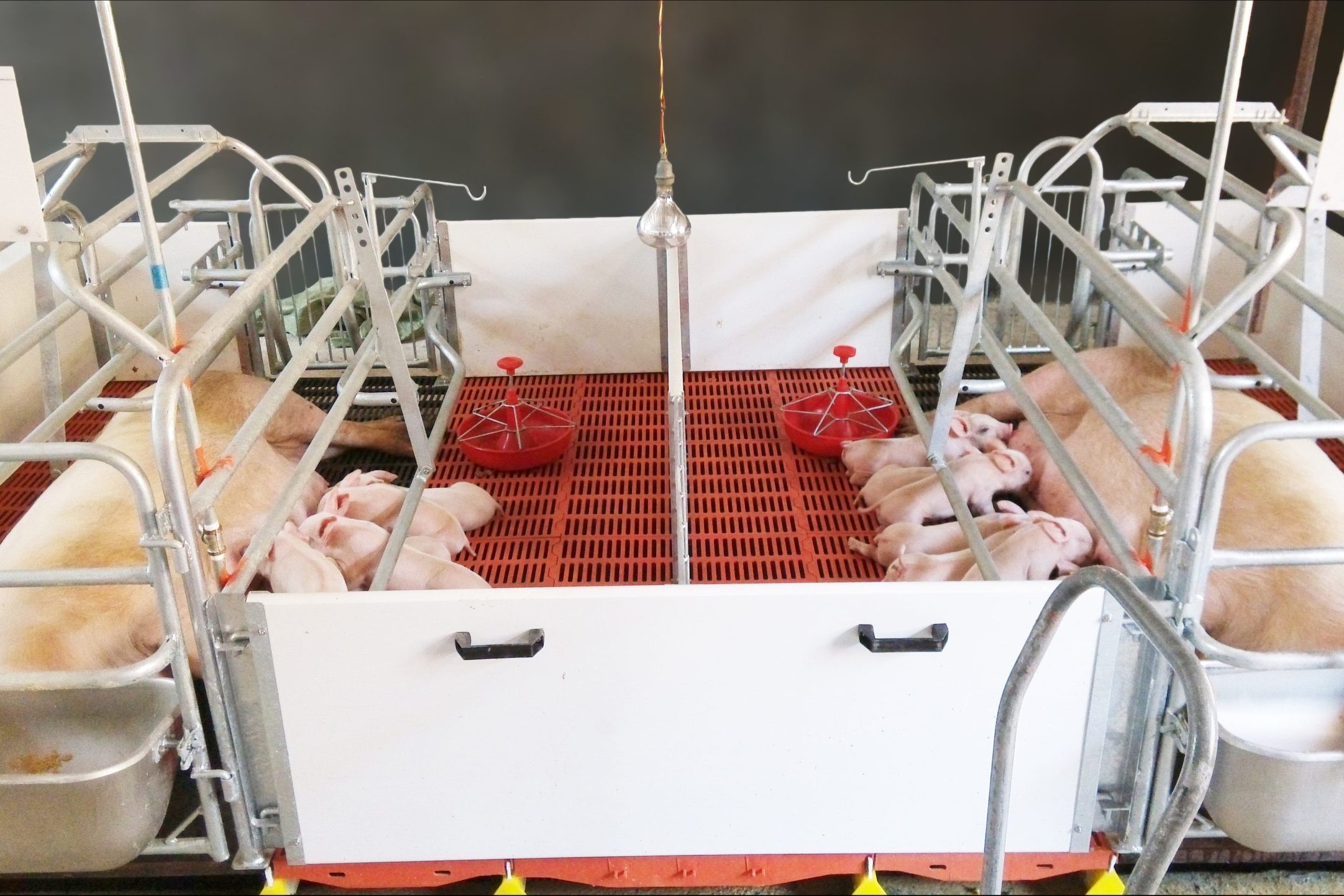
Premium Ergonomic Sow Farrowing Pens
Optimized to reduce Pelvic Organ Prolapse (POP) and labor stress. By providing customizable, high-comfort structural spacing, these crates allow heavy sows to position themselves smoothly without exerting severe abdominal stress during farrowing cycles.
| Impact Resistance: | Reinforced frame built to withstand continuous impact from heavy mature sows |
| Litter Safety: | Adjustable anti-crushing bars to preserve piglet survival rates |
| Sanitation Protocol: | Smooth surface allows swift high-pressure washing to eliminate PRRS reservoirs |
Protect your herd and optimize your commercial farm productivity today.
Request a Tailored Turn-Key Equipment Quote