Reduce Sow Fighting: Practical and Proven Strategies for Group-Housed Sows
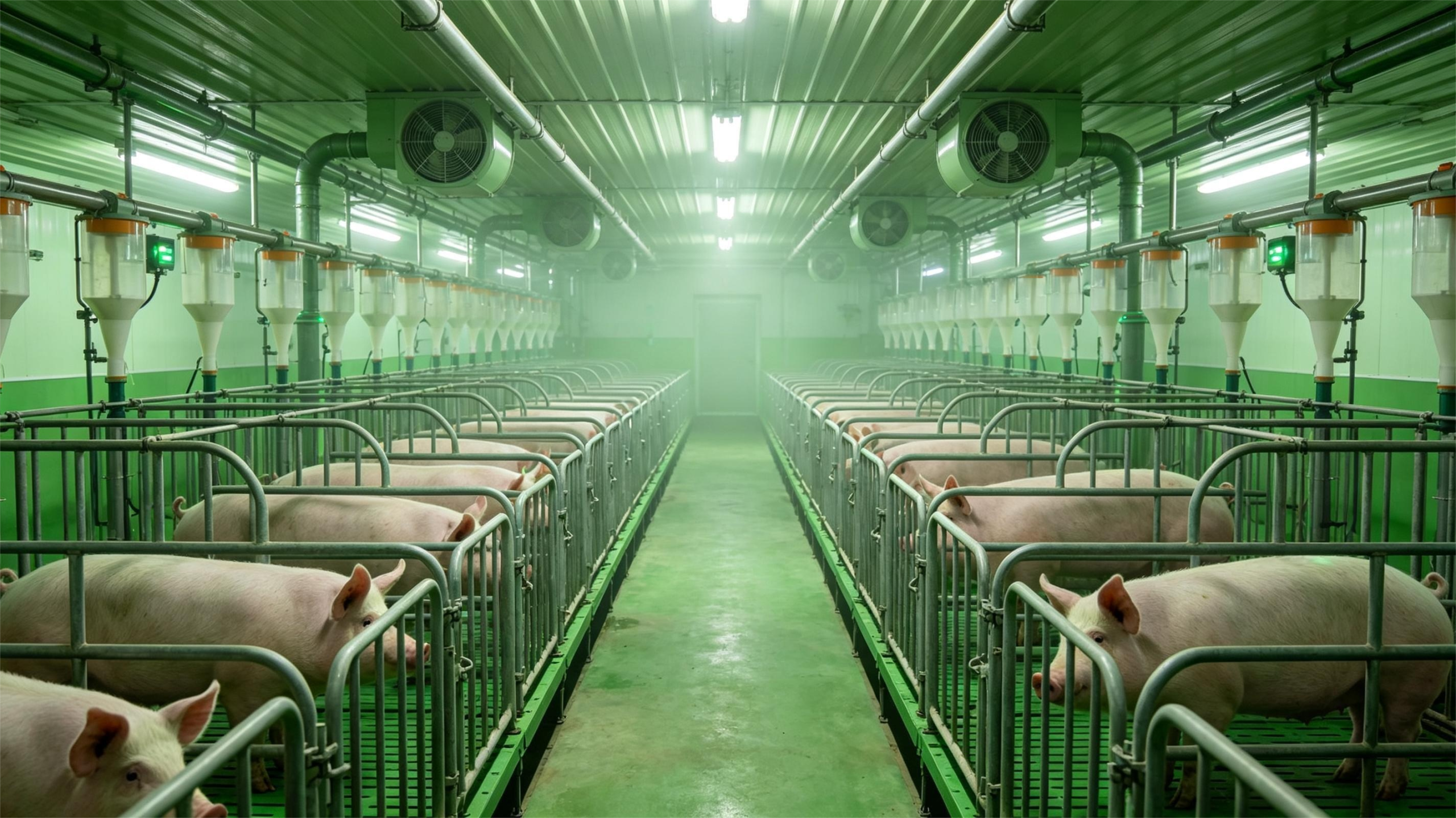
- To effectively reduce sow fighting, modern group-housed pig farms need to address this common, profit-draining farming problem worldwide.
- It mainly occurs due to mixing stress, resource competition and poor housing conditions, leading to sow injuries, decreased productivity and higher farming costs.
- Reasonable management to reduce sow fighting is essential for farmers to improve profits and meet global animal welfare standards.
Main Causes of Sow Fighting
- Understanding the root causes is the premise to effectively reduce sow fighting, as most sow fights happen within 2 to 24 hours after mixing new sows.
- Targeted solutions based on actual triggers are the most effective way to reduce aggressive behavior in group housing systems.
1.1 Social Hierarchy Stress
- Managing social hierarchy stress is vital to reduce sow fighting, as sows are highly hierarchical animals.
- Unfamiliar sows will fight rapidly to establish new social ranks after mixing.
- Sows raised in individual stalls tend to show more aggressive behavior when transferred to group housing.
1.2 Overstocking and Limited Space
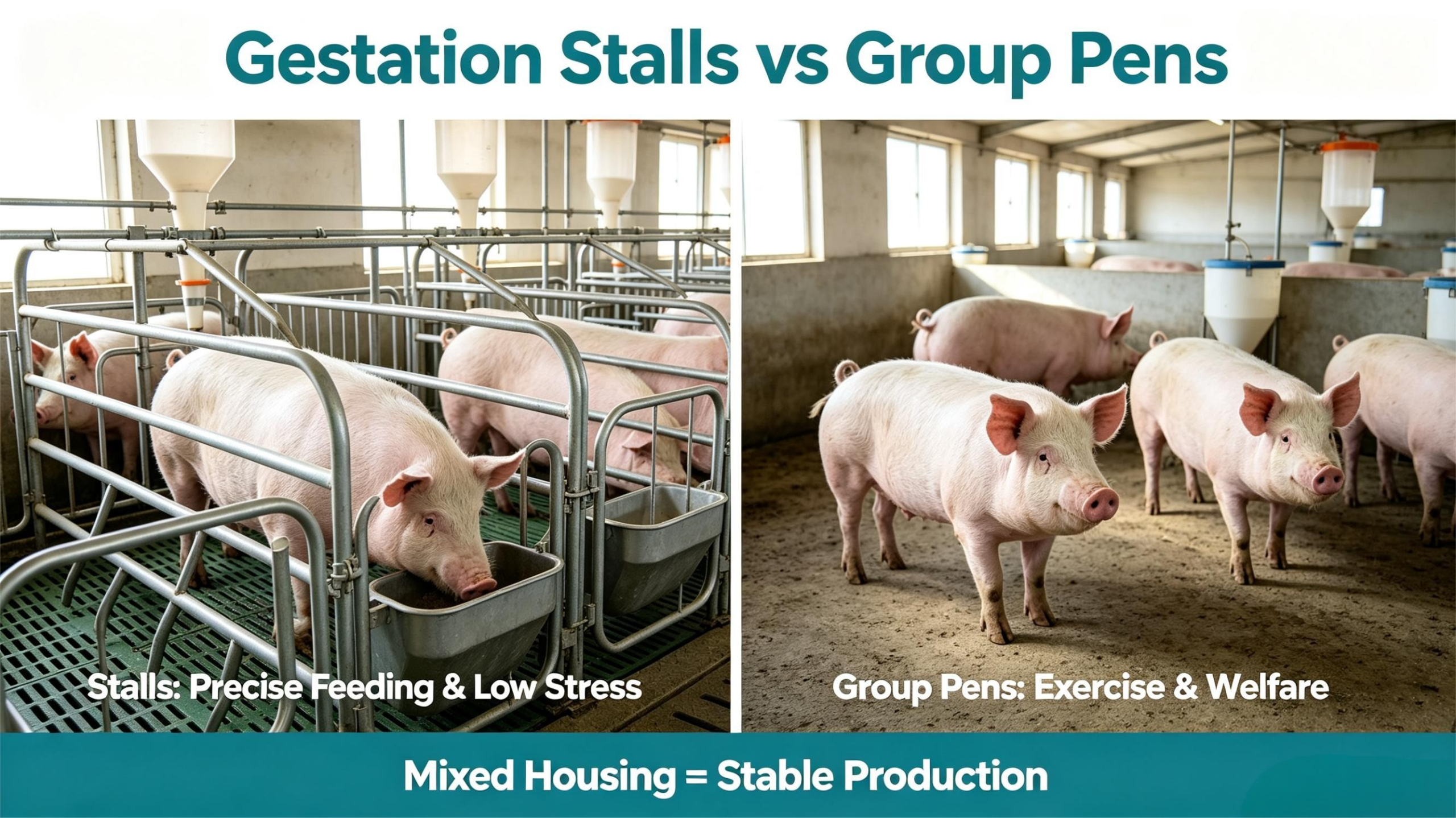
- Fixing overstocking issues is a basic measure to reduce sow fighting in group housing systems.
- Overcrowded barns leave no shelter space for inferior sows, turning minor conflicts into severe fights.
- High stocking density also increases herd stress and restlessness throughout daily feeding and resting periods.
1.3 Limited Resource Competition
- Eliminating resource competition can greatly help reduce sow fighting in daily feeding management.
- Uneven access to feed, water and resting areas is the main cause of daily sow conflicts.
- Time-limited feeding systems easily trigger long-term fighting due to feeding competition.

1.4 Poor Environment and Nutritional Imbalance
- Optimizing barn environment and nutrition is key to reduce sow fighting caused by herd restlessness.
- High ammonia, excessive light, humidity and loud noise keep sows in a restless state.
- Nutritional deficiencies also cause abnormal temperament and aggressive fighting behavior.
Practical Strategies to Reduce Sow Fighting
- The following practical and systematic strategies can perfectly help pig farmers reduce sow fighting in commercial farms.
- Combining European and American commercial pig farming practices, stable and low-conflict herd conditions can be achieved through
- standardized mixing procedures
- reasonable space design
- uniform feeding
- environmental optimization
- daily fine management
2.1 Optimize Mixing Procedures
- Optimizing sow mixing procedures is the first step to reduce sow fighting during herd regrouping.
- Mix sows at night or under dim light to reduce excitement and aggression.
- Masking body odor before grouping can further reduce exclusive and hostile behavior among unfamiliar sows.
- Scientific grouping management further helps reduce sow fighting and stabilize herd order quickly.
- Group sows with similar body size and strength.
- Arrange on-site inspection during the high-risk period to isolate aggressive sows and stabilize herd order quickly.
2.2 Control Stocking Density Strictly
- Strictly controlling stocking density is a core physical method to reduce sow fighting in group housing.
- Adequate activity and shelter space is fundamental to avoid continuous sow fighting.
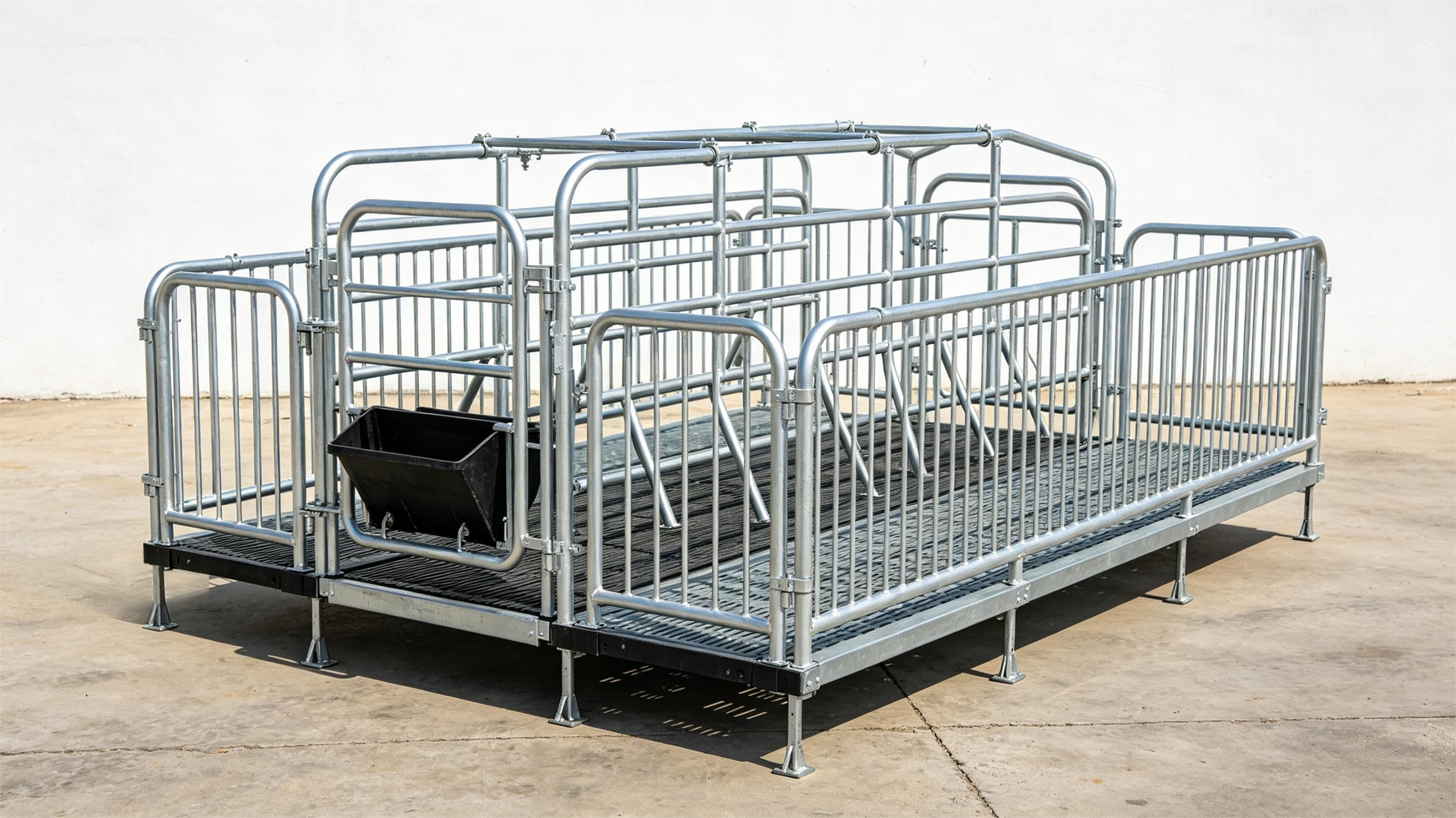
Equipped with reasonable partition design, Guangxing gestation stalls effectively divide barn space, avoid excessive crowding, and block direct aggressive confrontations between sows.
- Scientific group housing equipment helps standardize barn layout and prevent secondary injuries caused by crowding and slipping.
2.3 Improve Feeding Systems
- Upgrading feeding systems is an effective way to reduce sow fighting caused by feed competition.
- Uneven feeding is the top cause of daily sow conflicts.
- Automatic feeding equipment ensures simultaneous and uniform feeding for all sows, eliminating fighting over feed resources.
- Reasonable feeding volume adjustment also helps reduce sow fighting by avoiding hunger-induced aggression.
- Adjust feeding volume according to gestational stages to avoid hunger-induced restlessness and maintain stable herd temperament.

2.4 Optimize Barn Environment
- Creating a comfortable barn environment is crucial to reduce sow fighting triggered by environmental stress.
- A comfortable and stable housing environment greatly reduces sow aggression.
- Intelligent environmental control equipment keeps barn temperature, humidity and air quality in a suitable range to relieve herd stress.
- Auxiliary environmental and nutritional management can further reduce sow fighting and stabilize herd emotions.
- Proper barrier setting and scientific nutrition supplementation can soothe sow emotions and effectively reduce internal group conflicts.
2.5 Implement Fine Daily Management
- Fine daily management serves as a long-term guarantee to reduce sow fighting steadily.
- Focus on intensive monitoring within 24 hours after mixing.
- Isolate aggressive individual sows and reduce unnecessary regrouping to maintain stable herd social structure.
Benefits of Reducing Sow Fighting
- Taking full measures to reduce sow fighting brings multiple tangible benefits for commercial pig farms.
- Effective measures to reduce sow fighting lower sow injury rates and farming costs, while improving litter performance and herd health.
- It also helps farms meet international animal welfare standards and enhance market competitiveness.
Conclusion
- To sum up, targeted solutions to reduce sow fighting are achievable and profitable for all group-housed pig farms.
- Sow fighting is controllable with scientific management and professional farming equipment.
- Combining refined feeding, environmental optimization and standardized housing solutions helps farmers effectively reduce sow fighting, maximize production efficiency and achieve compliant welfare-oriented pig farming.
Reliable solutions from Guangxing, including gestation stalls, automatic feeding systems and environmental control equipment, help farms implement these scientific strategies with stable and long-term results.
If needed, please feel free to contact us at any time.