


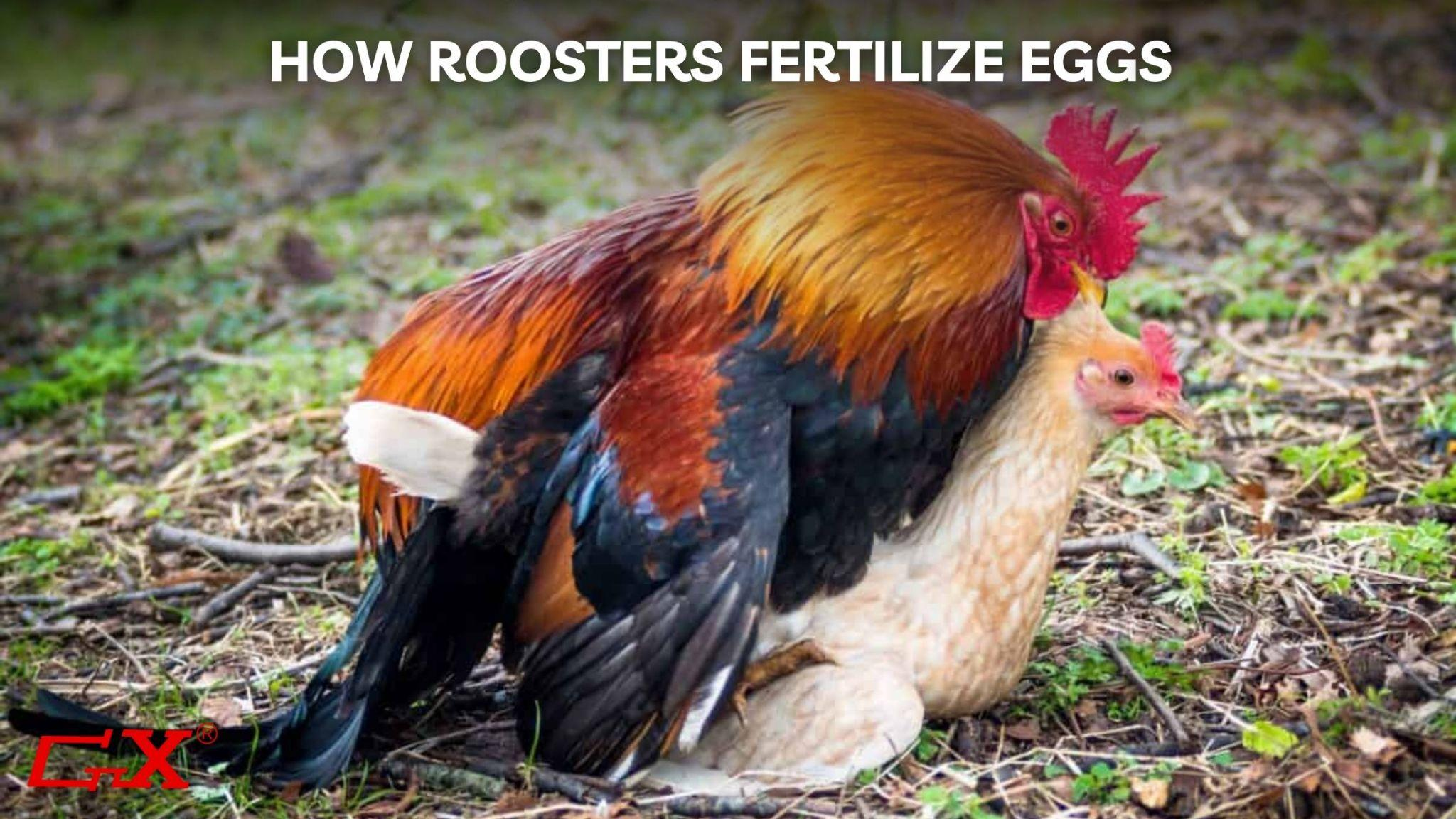
A lot of people wonder how roosters fertilize eggs. This is useful for farmers, breeders, and pet chicken owners. A hen can lay an egg even without a rooster, but the egg will not be fertilized. To foster the growth of chicks, a rooster should intervene. Knowing how roosters fertilize chicken eggs is crucial to raising chickens. It also aids in strategizing for the production of chicks and understanding the number of roosters required. This guide explains everything step by step, so anyone knows how roosters fertilize hen eggs. This information is helpful whether chickens are raised for fun or food. This ensures the health of the flock and also helps raise more birds in the right way.
Rooster and Hen Reproductive Anatomy (Brief Overview)
Before analyzing how roosters fertilize eggs, let’s first understand their biology. A rooster has sperm-producing reproductive organs known as testes. They also have an excretory organ and reproductive organ combined into one, known as a cloaca. Hens also have a cloaca and possess an oviduct, where the egg is incubated and shaped into its final form. When hens and roosters mate, they place their cloacae together, or “cloacal kiss.” This facilitates the transfer of sperm from the rooster to the hen. The sperm will later assist in fertilizing the egg after it is formed within the hen. Understanding these structures will help you appreciate how roosters fertilize an egg in the most natural way possible.
How Mating Happens in Chickens
 Mating is the first step in the process of how a rooster fertilizes a hen’s egg. To grab the hen’s attention, a rooster makes compliments by dancing or flapping his wings. If the hen agrees to mate, the rooster mounts her. Their cloacae touch for a brief moment while sperm is being transferred from the rooster to the hen’s body. This short transfer is called a cloacal kiss. The hen’s body has the capability of storing sperm for many days, which allows her to lay several fertilized eggs after just one mating session. Carefully considering how roosters fertilize chicken eggs aids chicken owners in strategizing concerning hatching periods. It also assists in monitoring which hens are laying fertilized eggs for additional chicks.
How Roosters Fertilize Eggs
Roosters fertilize the eggs after mating, since the processes take place within the hen. When the rooster mates with the hen, he passes sperm into the hen, and afterward, it moves to her oviduct – a part of the reproductive tract. The sperm is capable of binding in her body for almost two weeks. Each time she forms a new egg, the sperm might come into contact with a yolk in her ovaries, where the egg is formed. If they unite, the egg is fertilized. This explains how roosters fertilize an egg even after several days of mating. From a single mating instance, the hen can lay a multitude of fertilized eggs. This is beneficial from the perspective of a farmer who wants to increase the number of his chicks. This simplifies the reproduction process in poultry farms.
How Old Do Roosters Have to Be to Fertilize Eggs?
The answer to the question of how a rooster becomes capable of fertilizing an egg depends on the age of the rooster. Most of the time, a rooster can perform this task at the age of four to six months. This indicates that the rooster’s body has developed to the point of sperm production. Signs such as crowing, chasing hens, or attempting to copulate will help you identify his readiness. A mature rooster, capable of copulation, aids in the fertilization of the eggs. Understanding the age requirements for roosters and their ability to fertilize eggs assists in breeding schedule planning. This also prevents using immature roosters who are unable to perform. Because mature roosters can greatly improve the flock’s capability to produce healthy fertilized eggs, they are preferred.
How to Tell if an Egg is Fertilized
After copulation, differentiating between fertilized and unfertilized eggs can be quite difficult. To determine, you can crack the egg and examine the yolk. A fertile yolk is characterized by a small white ring, commonly known as a bullseye. Alternatively, a method called candling can be used. This involves illuminating the egg with bright light after a few days of being kept warm. The presence of small veins or dark spots indicates fertilization. Farmers’ jobs are made easier by sophisticated tools such as the Automatic Egg Collection System, which gently collects eggs with minimal damage. This system provides more than 99.5 percent intact eggs and reduces spending on labor. Check out www.guangxiniot.com to learn more about improving poultry layer farming results.
Common Misconceptions
 It is a common misconception that chickens always need a rooster for the hens to lay eggs, which is not true. Hens can lay eggs without the presence of a rooster. The catch is that the eggs are only unfertilized and will not develop into chicks. One more misconception is the assumption that all eggs are fertilized after mating. This isn’t true, as there is a possibility that the sperm may not get to the egg or be weak. Therefore, not all eggs get fertilized even with mating. Understanding how roosters fertilize hen eggs will help you avoid these mistakes. It also informs you that only fertilized eggs can potentially develop into chicks. Knowing these helps you manage chickens more effectively and make better farming decisions.
Conclusion
Learning the fertilization process aids in grasping the entire scope of reproduction. The identification of each component, such as the rooster’s part and how a hen stores sperm, is important. You also learn how roosters fertilize an egg and how to check if the eggs are fertile. Remember to wait until the rooster reaches maturity, which is around four to six months. With this knowledge, along with the Automatic Egg Collection System, you can handle your eggs better. With these steps, you’re able to raise healthy chickens, responsibly breed them, and expand your flock while ensuring proper care for both roosters and hens by keeping them content and healthy to yield better egg production.