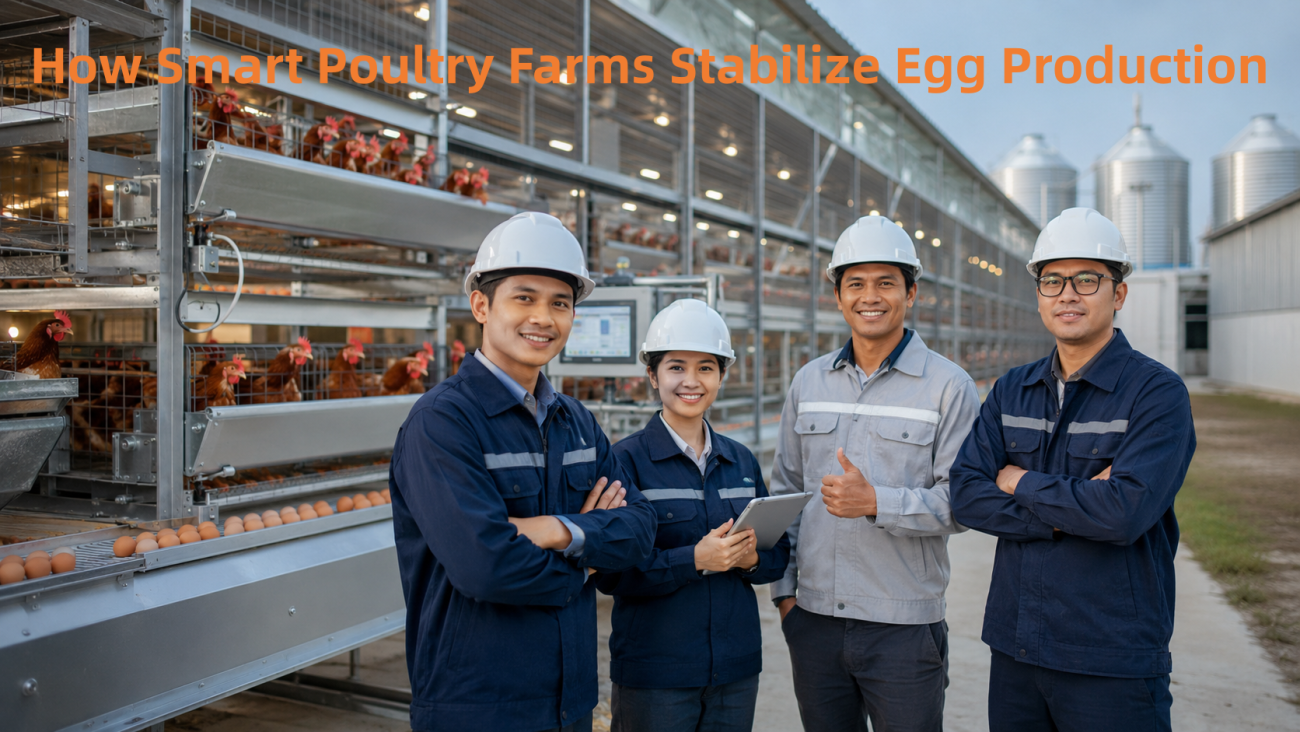
In modern poultry farming, stable egg production is one of the most important factors affecting farm profitability. Many poultry farmers focus only on achieving high peak egg production, but experienced farm managers understand that maintaining stable laying performance throughout the year is far more valuable for long-term success.
Today, poultry farms around the world are facing increasing challenges such as rising feed costs, labor shortages, heat stress, disease risks, and unstable market conditions. In many countries across Africa, Southeast Asia, and the Middle East, extreme temperatures and poor farm management often cause sudden drops in egg production, directly reducing farm income.
As a result, more poultry farms are upgrading to automatic poultry equipment and modern layer cage systems to improve management efficiency and stabilize egg production.
This article will explain the main causes of unstable egg production and how modern poultry farming solutions can help layer farms maintain high and stable laying performance year-round.

Why Egg Production Becomes Unstable
Egg production is influenced by many factors. Even small environmental changes can affect the laying rate of hens. In large-scale poultry farms, unstable production often comes from poor management systems rather than the chickens themselves.
1. Heat Stress
Heat stress is one of the most common causes of egg production decline, especially in tropical and high-temperature regions.
When temperatures become too high, layer chickens reduce feed intake and drink more water. This directly affects nutrient absorption and lowers egg production. In severe cases, heat stress can also increase mortality rates.
Many poultry farms in the Middle East and Africa experience significant egg production drops during summer months due to insufficient cooling systems.
Modern poultry houses usually use:
Cooling pad systems
Tunnel ventilation
Exhaust fans
Environmental control systems
These systems help maintain stable temperatures inside the poultry house and reduce heat stress on birds.
2. Poor Ventilation
Good ventilation is essential for stable egg production.
Without proper airflow, ammonia levels and humidity increase rapidly inside the chicken house. High ammonia concentration can damage the respiratory system of chickens, reduce feed intake, and increase disease risk.
Poor ventilation also creates wet litter and unhealthy living conditions.
Modern poultry farms use automatic ventilation systems to improve airflow efficiency and maintain fresh air circulation. This helps create a healthier environment for layer chickens and improves laying performance.
3. Inconsistent Lighting Programs
Lighting plays a critical role in egg production.
Layer hens require stable and consistent lighting schedules to maintain hormonal balance and laying activity. Sudden changes in lighting duration or intensity can cause stress and reduce egg production.
Most modern layer farms maintain approximately 16 hours of light per day using automated LED lighting systems.
Stable lighting programs help:
Improve laying consistency
Reduce stress
Increase feed efficiency
Support long-term egg production stability

4. Poor Feed and Water Management
Nutrition is another major factor affecting egg production.
In traditional poultry farms, uneven feed distribution and poor water quality often lead to inconsistent nutrient intake among birds. This results in unstable laying rates and lower egg quality.
Automatic feeding systems can distribute feed evenly throughout the poultry house, ensuring every chicken receives balanced nutrition.
Nipple drinking systems also provide clean water continuously while reducing contamination and disease risks.
For modern layer farms, stable feed and water management are essential for maintaining high egg production.
How Modern Poultry Equipment Helps Stabilize Egg Production
As poultry farming becomes more industrialized, automatic poultry equipment has become one of the most effective ways to improve farm productivity and stabilize egg production.
Automatic Feeding Systems
Automatic feeding systems help deliver feed evenly and consistently to all birds.
Benefits include:
Reduced feed waste
Better feed conversion ratio
Lower labor costs
More uniform chicken growth
Stable nutrient intake
Many large-scale poultry farms now use chain feeding or pan feeding systems to improve feeding efficiency.
Automatic Drinking Systems
Clean water is critical for egg production.
Modern nipple drinking systems help:
Reduce water contamination
Prevent disease spread
Maintain stable water supply
Improve bird health
Healthy chickens naturally produce more stable egg output.

Environmental Control Systems
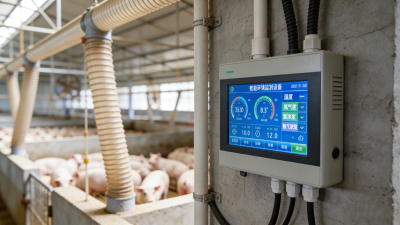
Environmental control systems are now widely used in modern poultry houses.
These systems can automatically control:
Temperature
Humidity
Airflow
Ventilation
Cooling equipment
In high-temperature regions such as the UAE, Saudi Arabia, and Nigeria, environmental control systems play a major role in stabilizing laying performance during hot seasons.
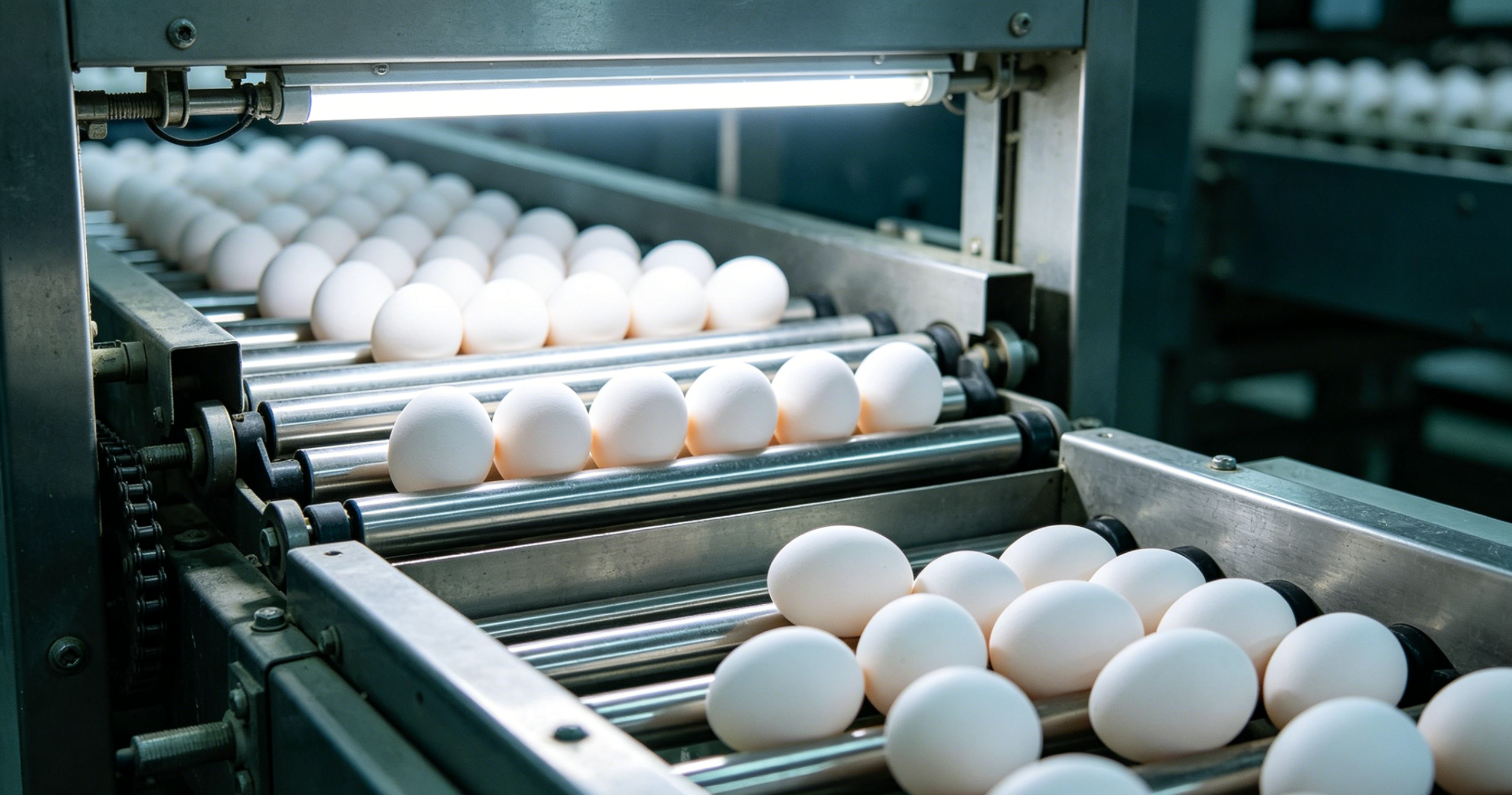
Automatic Egg Collection Systems
Automatic egg collection systems reduce egg damage and improve hygiene standards.
Compared with manual egg collection, automatic systems can:
Reduce broken eggs
Improve egg cleanliness
Lower labor requirements
Increase operational efficiency
This is especially important for large commercial layer farms.
Automatic Manure Removal Systems
Manure management directly affects poultry house air quality.
Automatic manure removal systems help:
Reduce ammonia levels
Improve ventilation conditions
Lower disease risks
Create cleaner poultry environments
A healthier environment leads to more stable egg production.
The Importance of Nutrition for Stable Egg Production
Balanced nutrition is one of the foundations of successful layer farming.
To maintain stable egg production, hens require:
Adequate protein
Energy-balanced feed
Calcium for eggshell quality
Vitamins and minerals
Clean drinking water
Sudden feed changes should be avoided because they can stress birds and reduce laying performance.
Professional poultry farms usually monitor:
Feed intake
Egg production rate
Feed conversion ratio
Eggshell quality
This helps identify production problems early.
Why More Farms Are Upgrading to Automatic Layer Cage Systems
Traditional poultry farming methods are becoming less efficient for large-scale production.
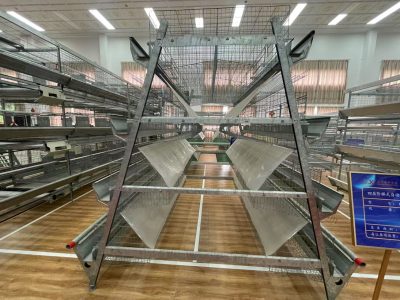
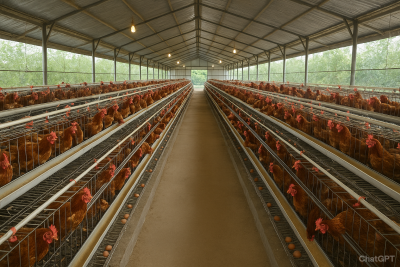
Today, many poultry farms are upgrading to H-type automatic layer cage systems because they provide:
Better space utilization
Easier management
Improved hygiene
Lower labor costs
More stable egg production
Automatic layer cage systems also improve feeding, drinking, manure cleaning, and egg collection efficiency.
For commercial poultry farms with 10,000 to 100,000 birds or more, automation has become an important investment for long-term profitability.


Real Farm Experience: Solving Egg Production Problems
Many poultry farms initially face unstable production because of poor environmental management and outdated equipment.
For example, a layer farm in Southeast Asia experienced serious egg production decline during the summer season due to high temperatures and poor ventilation.
After upgrading to:
Automatic layer cage systems
Tunnel ventilation
Cooling pad systems
Automatic feeding equipment
the farm significantly improved ventilation efficiency and reduced heat stress. Egg production gradually stabilized, while labor costs and mortality rates decreased.
Similar situations are common in many developing poultry markets where farms are transitioning from traditional management to modern automatic poultry systems.
Common Mistakes That Reduce Egg Production
Many farms unknowingly make management mistakes that affect laying performance.
Common problems include:
Poor ventilation
Overcrowding
Dirty drinking systems
Inconsistent lighting
High ammonia levels
Poor temperature control
Delayed manure cleaning
Low-quality poultry equipment
Avoiding these problems is essential for maintaining stable egg production.
The Future of Modern Layer Farming
The poultry industry is rapidly moving toward intelligent and automated farming systems.
Future poultry farms will increasingly use:
Smart environmental monitoring
IoT management systems
AI-based ventilation control
Automated feeding technologies
Data-driven farm management
Modern poultry equipment is no longer only about reducing labor. It is now essential for improving production efficiency, animal welfare, and long-term profitability.
Conclusion
Stable egg production is the result of scientific poultry farm management, proper nutrition, environmental control, and reliable poultry equipment.
As global poultry farming becomes more competitive, traditional farming methods are no longer enough to maintain stable productivity and profitability.
Modern automatic poultry systems help farms:
Improve laying performance
Reduce labor costs
Lower disease risks
Improve egg quality
Maintain stable production year-round
With more than 30 years of experience in poultry equipment manufacturing, Guangzhou Guangxing Poultry Equipment Group has helped poultry farms in Asia, Africa, and the Middle East improve farm efficiency through modern automatic poultry solutions.
For poultry farmers looking to stabilize egg production and improve farm profitability, investing in modern poultry equipment is becoming an increasingly important step toward sustainable success.


FAQ
How can I stabilize egg production in layer farms?
Stable egg production depends on proper nutrition, good ventilation, consistent lighting, disease prevention, and modern poultry equipment management.
Does heat affect egg production?
Yes. High temperatures can reduce feed intake and cause heat stress, leading to lower egg production.
What lighting program is best for layers?
Most layer farms maintain around 16 hours of stable lighting daily to support laying performance.
Why do modern poultry farms use automatic equipment?
Automatic systems improve management efficiency, reduce labor costs, and help maintain stable production conditions.
What is the best cage system for commercial layer farms?
Many modern poultry farms use H-type automatic layer cage systems because they improve hygiene, automation efficiency, and production stability.