


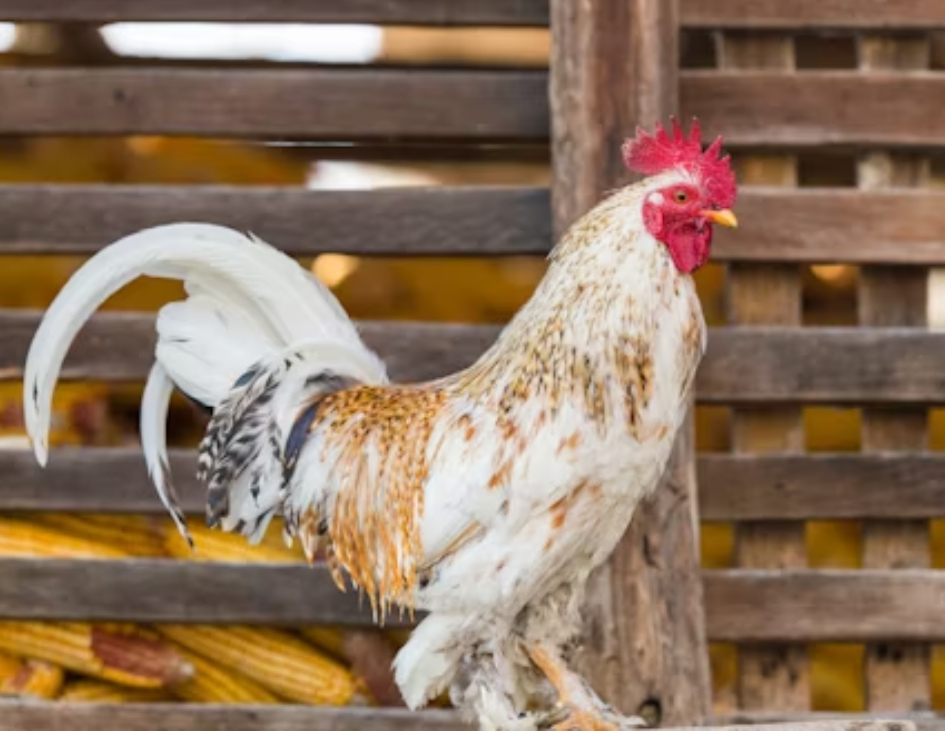
In the poultry industry, “layer chickens” and “broiler chickens” are the two most common yet easily confused types of poultry farming. For newcomers to the industry, or even for ordinary consumers, having a clear understanding of the fundamental differences between layer chickens and broiler chickens not only helps in making informed farming decisions but also aids in better comprehending market demands and profit models. In this article, Guangxing will comprehensively analyze the differences between layer chickens and broiler chickens from multiple perspectives, including physical characteristics, growth cycles, farming management, feeding costs, and profits, to help you clarify your thoughts and define your farming direction.

I. Definition and Purpose Differences
- What are Layer Chickens?
Layer chickens refer to chicken breeds raised primarily for egg production. They possess high egg-laying capabilities, typically laying 280 to 320 eggs per year, and have a relatively long lifespan, capable of laying eggs continuously for 1.5 to 2 years.
Common layer chicken breeds: Hy-Line Brown, Lohmann Brown, White Leghorn, etc.
- What are Broiler Chickens?
Broiler chickens are chicken breeds raised for meat production purposes, specifically for fattening. They are characterized by rapid growth rates, quick weight gain, and short market-ready cycles, primarily supplying the chicken meat market.
Common broiler chicken breeds: Hybrid broilers (such as AA+, White Plymouth Rock), Yellow-feathered chickens (suitable for Chinese cuisine), and fast-growing white-feathered broilers.
II. Physical and Physiological Differences
| Project | Layer Chickens | Broiler Chickens |
|---|---|---|
| Body Size | Slim and small, with compact feathers | Plump, with abundant muscle |
| Feather Color | Primarily brown and grayish-white | Primarily white feathers |
| Comb | Well-developed and prominent | Relatively small |
| Growth Rate | Slow (reaches sexual maturity in 5-6 months) | Fast (ready for market in approximately 42 days) |
| Activity Level | Active and restless | Less active, often lying down |
Key Points: Broiler chickens, raised for rapid fattening, are generally not encouraged to engage in excessive activity. In contrast, layer chickens, which lay eggs over an extended period, require higher metabolism and nutritional regulation, resulting in a lighter body build.
III. Breeding Cycle and Management Methods
- Layer Chicken Breeding Cycle
- Brooding Period: 0-6 weeks old, requiring high temperatures and meticulous management;
- Growing Period: 7-17 weeks old, gradually adapting to the egg-laying environment;
- Laying Period: 18-80 weeks old, entering the peak egg-laying phase.
The entire breeding cycle can extend beyond 80 weeks, necessitating continuous attention to factors such as nutrition, lighting, disease prevention, and eggshell quality.
- Broiler Chicken Breeding Cycle
- Fast-growing broilers: Ready for market in 35-45 days;
- Small to medium-sized broilers: Some yellow-feathered chickens or indigenous breeds, with a cycle of 60-100 days;
- Management Objective: Rapid weight gain and reduction of feed-to-meat ratio.
Summary of Differences:
- Layer chickens have a longer breeding cycle and require long-term management investment;
- Broiler chickens have a shorter breeding cycle, faster market readiness, and quicker cash inflow.
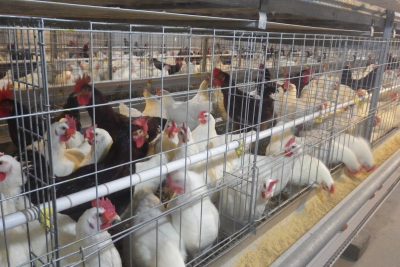
IV. Feed Requirements and Cost Differences
-
Feed Characteristics for Layer Chickens:
Emphasis on vitamin, calcium, and phosphorus ratios to ensure eggshell quality and egg production;
Moderate protein content in feed, with balanced energy;
Commonly supplemented with shell powder and bone meal for calcium. -
Feed Characteristics for Broiler Chickens:
High protein content and high energy density to promote rapid weight gain;
Transition from starter feed to grower feed, then to pre-market feed;
Control of feed-to-meat ratio is key to improving profitability.
Cost Comparison (based on 1,000 chickens):
| Project | Layer Chickens | Broiler Chickens |
|---|---|---|
| Breeding Cycle | Over 500 days | 40-60 days |
| Feed Cost per Chicken | High but spread over a long period | Low but concentrated in a short period |
| Total Cost | Higher | Lower |
| Profit Cycle | Slow return on investment, stable profit | Quick return on investment, high volatility |
If you have tight cash flow and limited space, it is advisable to prioritize broiler chickens. If you have long-term plans and stable market channels, layer chickens can be considered.
V. Market Value and Sales Channels
-
Layer Chickens
Main Product: Eggs
By-products: Culled chickens, sold after the laying period
Sales Channels: Egg wholesale markets, supermarkets, canteens, catering enterprises, e-commerce platforms, etc.
Profit Model: Primarily long-term stable egg supply -
Broiler Chickens
Main Product: Chicken meat
Sales Methods: Live chicken sales, processed white-feathered chicken
Sales Channels: Farmers’ markets, wholesalers, slaughterhouses, fast-food chains, cold-chain e-commerce, etc.
Profit Model: Quick return on investment in the short term, suitable for rapid turnover
Market Analysis Tips:
- The market for layer chickens is significantly influenced by egg prices, with holidays and the start of the school year typically being peak periods for egg prices;
- The broiler chicken market is highly volatile, influenced by meat prices and market conditions, but also offers greater flexibility.
VI. Disease Prevention and Control Strategies
- Common Diseases in Layer Chickens: Newcastle disease, avian influenza, infectious bronchitis in chickens, eggshell abnormalities, and decreased egg production syndrome;
- Common Diseases in Broiler Chickens: Coccidiosis in chickens, Escherichia coli infection, leg disorders in broilers, and respiratory diseases.
Disease Prevention and Control Recommendations:
- Implement immunization programs and regularly vaccinate;
- Strengthen feed and water management;
- Focus on ventilation, temperature control, and manure treatment;
- Introduce automatic ventilation and lighting systems to reduce disease incidence.
VII. Recommendations for Beginners: Layer Chickens vs. Broiler Chickens – How to Choose?
| Suitable Population | Recommended Choice |
|---|---|
| Limited capital and small space | Broiler chickens |
| Pursuing quick cash flow return | Broiler chickens |
| Having stable sales channels | Layer chickens |
| Aiming to establish a long-term brand | Layer chickens |
| Equipped with automated device support | Either layer or broiler chickens |
| Desiring to control market fluctuations | Layer chickens |

Conclusion
Clarifying your goals and selecting the appropriate chicken breed is crucial. Whether you are preparing for a small-scale trial or aiming to develop industrialized farming, understanding the differences between layer chickens and broiler chickens is the first step. Each type of chicken has its own growth rhythm, management priorities, and market positioning. Clearly defining your goals and making reasonable plans before farming can help you secure a place in the competitive market.
Guangxing in Guangzhou, China, has specialized in livestock farming equipment for over twenty years. If you have needs or questions regarding chicken farming or farming equipment, please visit Guangxing for suitable advice: https://guangxiniot.com/contact-us/