


When setting up a commercial poultry farm, choosing the right cage size is a critical decision—especially for breeder cages, where space directly impacts bird welfare, mating success rates, and overall farm profitability. Precise dimensions determine how efficiently you can utilize your poultry house layout and integrate automated equipment. Below, we will detail the physical dimensions and structural features of the three most common poultry breeder cages to help you make the best choice for your project.
Poultry Breeder Cages: Dimensions & Specifications
1. Standard Physical Dimensions
| Cage Type | Cell Length (mm) | Cell Depth (mm) | Cell Height (mm) | Standard Tiers |
|---|---|---|---|---|
| A-Type Breeder Cage | 1950 (Example) | 450 (Example) | 410 (Example) | 3 - 4 Tiers |
| H-Type Breeder Cage | 1200 (Example) | 600 (Example) | 450 (Example) | 3 - 5 Tiers |
| Group Breeder Cage | 2400 (Example) | 1200 (Example) | 500 (Example) | 1 - 2 Tiers |
2. Structural Layout & Stocking Capacity
| Type | Structure Layout | Stocking Density | Ideal Application |
|---|---|---|---|
| A-Type Breeder Cage | Sloped A-frame roof for automatic egg rolling | 15-20 hens/m² | Intensive breeder farms |
| H-Type Breeder Cage | Double-row parallel layout with central walkway | 12-15 hens/m² | Medium-sized farms |
| Group Breeder Cage | Open-floor large space, mimicking natural conditions | 8-10 hens/m² | Organic or welfare-certified farms |
Poultry Breeder Cage Dimensions & Capacity
Compare structures, stocking densities, and automation levels to find the perfect fit for your farm scale.
A-Type Breeder Cage
- Structure: Sloped A-frame roof for automatic egg rolling.
- Automation: Fully automated feeding, egg collection, and manure cleaning.
- Farm Scale: Best for Intensive breeder farms.
H-Type Breeder Cage
- Structure: Double-row parallel layout with a central walkway for management.
- Automation: Semi-automated systems predominant.
- Farm Scale: Ideal for Medium-sized farms.
Group Breeder Cage
- Structure: Open-floor large space, mimicking natural conditions.
- Automation: Mostly manual management.
- Farm Scale: Organic or welfare-certified farms.
How to Choose the Right Breeder Cage Size
Knowing the exact dimensions of the cages is just the first step. To make a smart purchasing decision and optimize your poultry house layout, you need to align these sizes with your specific business goals. Here are practical recommendations based on different buyer intents:
For New Farm Construction (Maximizing ROI): If you are building a completely new shed, the golden rule is to "design the building around the cages." Since you have no existing space constraints, A-Type Breeder Cages are highly recommended. Their compact design provides the highest stocking density (15-20 hens/m²), allowing you to maximize egg production and accelerate your return on investment per square meter.
For Upgrading Existing Sheds (Space Constraints): If you are retrofitting an established building, your choice is strictly limited by the existing width and ceiling clearance. H-Type Breeder Cages are the best solution here. Their vertical, double-row stacking makes excellent use of vertical space while saving horizontal width, ensuring you still have enough room for management walkways and automated feeding/cleaning systems.
For Premium Markets (Animal Welfare Focus): If you are targeting the high-end hatching egg market or operating in regions with strict poultry welfare laws, cage dimensions must prioritize bird comfort. Group Breeder Cages offer a lower density (8-10 hens/m²), providing ample space for natural mating behaviors, reducing flock stress, and ensuring full compliance with organic and welfare certifications.
For International Buyers (Optimizing Logistics Costs): As a cross-border B2B buyer, the physical dimensions of the cages directly affect shipping volume (CBM). The size and number of tiers you choose dictate how many sets can fit into a 40ft HQ shipping container. When evaluating cage sizes, always consider how efficiently they pack down to minimize your landed cost per unit.
Guangxiniot: Customizing Your Ideal Breeder Cage Solutions
As a leading poultry equipment factory based in China, Guangxiniot understands that no two farms are exactly alike. With rich experience serving global markets, we go beyond standard configurations. We have the manufacturing capability to fully customize cage sizes and structural types to perfectly match your specific poultry house dimensions and breeding goals.
- Factory-direct pricing with strict quality control.
- Custom dimensions tailored for maximum shed capacity.
- Extensive overseas project experience and support.
Looking for a solution that balances high stocking density with animal welfare? Discover our flagship product designed for optimal fertilization rates:
View Automatic Natural Mating Breeder Cage System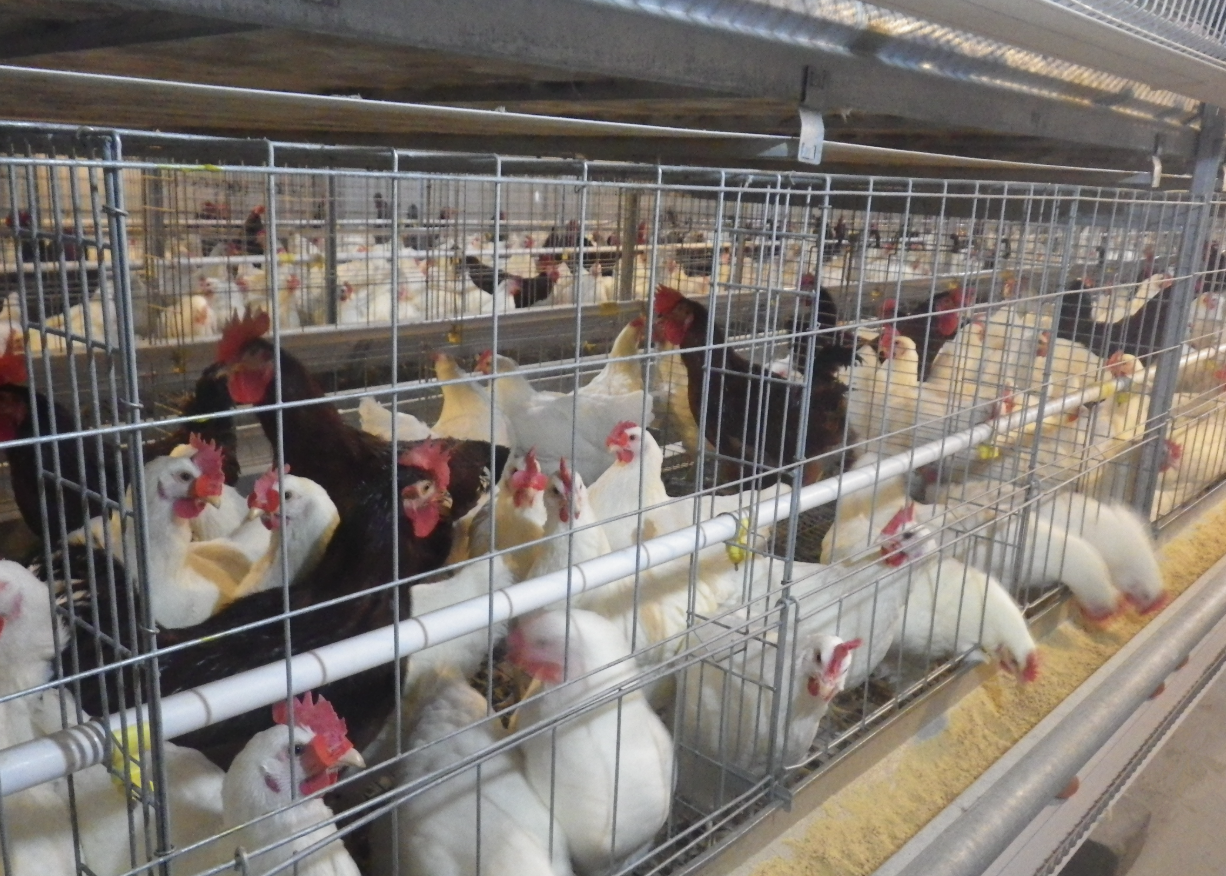
Frequently Asked Questions About Breeder Cage Sizes
Find answers to common sizing, capacity, and layout questions.